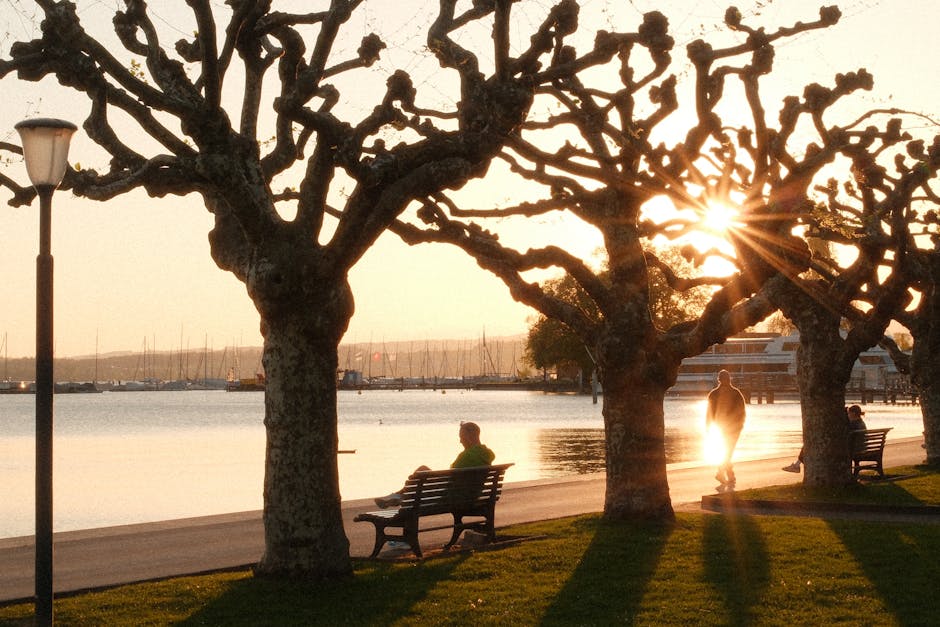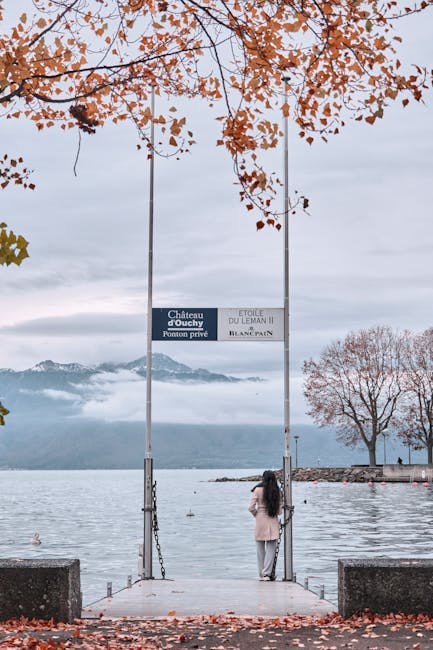






Introduction — Why you should know about scams around Lake Geneva in Lausanne
Lausanne, perched on the shores of Lake Geneva, is an elegant, lively city that draws visitors from around the world every year. From the Ouchy waterfront and the Olympic Museum to the old town and the CGN boat services, it’s easy to fall for the scenery, the lakeside terraces and the street entertainment. But like any popular tourist destination, bad actors take advantage of the crowds to run a range of scams: distractions, overcharging, fake solicitations and other cons that can ruin a trip. This practical, professional guide will help you spot the most common scams around Lake Geneva and in central Lausanne, protect your belongings and money, and enjoy the city with peace of mind.
We’ve compiled ten typical scams you might encounter while walking along the lake — from Ouchy Port up to the station and the old town. Each section gives concrete examples, precise addresses (to pinpoint problem areas), indicative prices in euros (converted values where needed), usual opening hours for related points of interest, immersive descriptions of the scam scenarios and practical local tips to avoid them. Prices and opening hours are indicative and can vary by season; check official pages before you go.
Scams around Lake Geneva come in many forms: classic pickpocketing at a terrace, fraudulent CGN boat ticket sellers, taxis that inflate fares, fake public workers, aggressive solicitations for photos or petitions. Some exploit human factors like politeness, curiosity or the desire to help. Others rely on technical tricks such as card cloning or fake payment terminals. We describe real cases reported by travelers and locals, with practical recommendations: where to withdraw cash safely (trusted banks), how to buy authentic CGN tickets (Quai d’Ouchy), which restaurants accept euros, how to recognize official taxis and expected behavior, and how to react to fake volunteers.
To make this guide actionable, we include visual and tourist landmarks: full place names, exact addresses, standard opening times and sample prices in euros. That will help you as a traveler quickly identify risk areas along your route — for example the Port d’Ouchy Promenade (Quai d’Ouchy 1–23), Place du Port, Lausanne Train Station (Place de la Gare 1), Place de la Palud (1003 Lausanne), and the CGN docks on the lake.
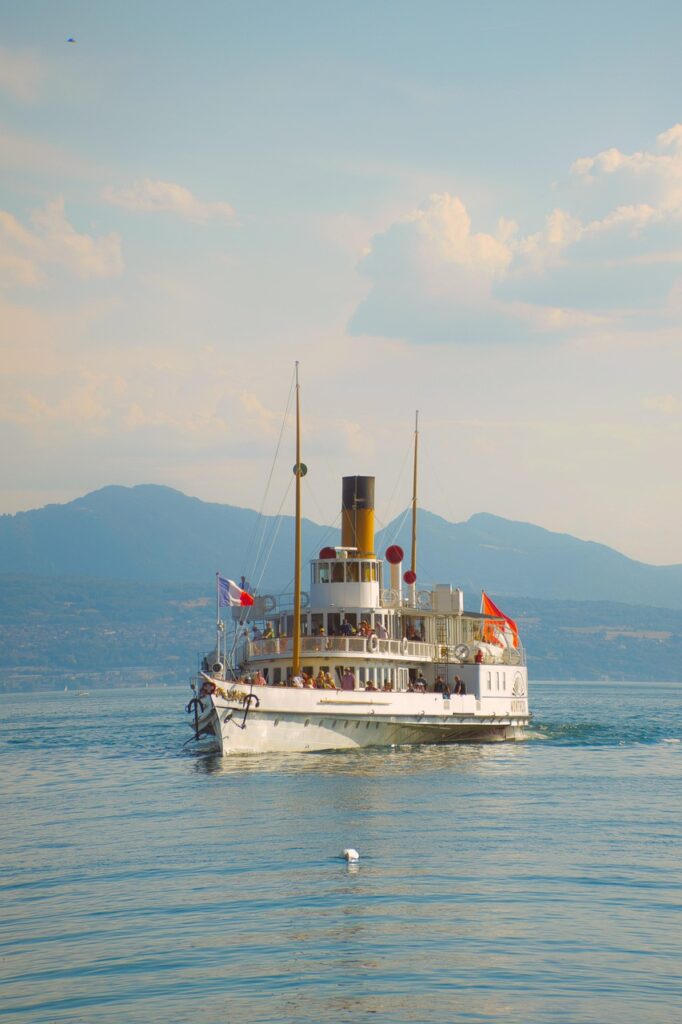
1. Fake ticket sellers for CGN boats — beware around the Ouchy docks
Context: Quai d’Ouchy, 1006 Lausanne — the main boarding point for the Compagnie Générale de Navigation (CGN). The docks are busy: tourists, families, cyclists, anglers and passersby all gather to catch boats to Geneva, Montreux or Évian-les-Bains.
Scam description: individuals offer “cheaper” tickets for CGN cruises or regular routes (Lausanne ↔ Geneva, Lausanne ↔ Montreux). They sometimes show physical coupons or loudly pitch a bargain in English, French or Spanish. After paying cash, the “ticket” they hand over is a dark photocopy or just a piece of paper with no validity, and the buyer is denied boarding. Others offer to “reserve” your spot for a small fee to supposedly skip the queue, then vanish.
Exact location and timing: Quai d’Ouchy, 1006 Lausanne — these scams usually happen between 09:00 and 18:30, during peak tourist periods (high season: May–Sept). Official CGN ticket offices run along the quay; hours are often 08:30–18:00 in season (check cgn.ch).
Indicative prices in euros: one-way Lausanne → Montreux around EUR 12–18 depending on season (adult), Lausanne → Geneva around EUR 18–28. Combo tickets (Olympic Museum + boat) or special cruises can cost more.
Warning signs: sellers without uniforms, pressure to pay cash, no official receipt (CGN logo, transaction number), unclear pricing, refusal to show ID or a reference number. Genuine CGN tickets are bought at the official ticket office on Quai d’Ouchy or via the CGN app (secure card payment).
Local tips: always buy your tickets at the official CGN ticket office (Quai d’Ouchy, 1006 Lausanne) or via the CGN/Swiss Travel Pass apps. Be wary of anyone promising “guaranteed seats” and keep your receipts. If in doubt, check the CGN kiosk; official staff wear badges and uniforms. If you’re scammed, call Lausanne Municipal Police (Tel. +41 21 874 63 00) and report the incident.
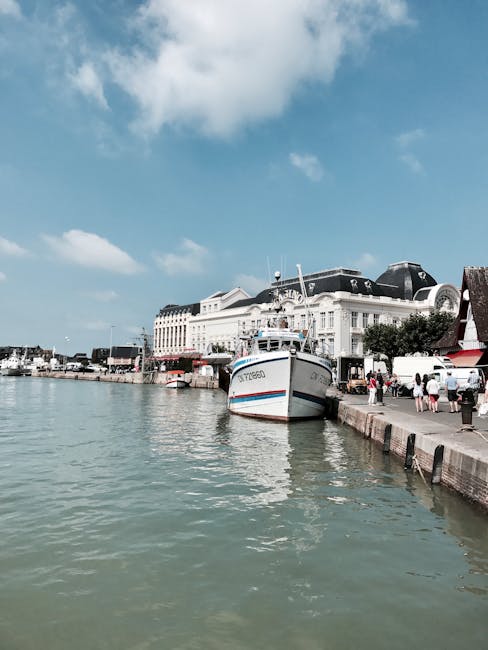
2. Pickpockets and distraction tactics on the Ouchy Promenade and in the old town
Context: Ouchy Promenade (Quai d’Ouchy 2–23), Place de la Palud (1003 Lausanne), Rue du Petit-Chêne — busy pedestrian spots, cafés and markets.
Scam description: the classic pickpocket routine uses a distraction: a child “faints,” a staged fight breaks out, or a “well-wisher” offers to take your photo… while a partner rifles through your bag, pocket or backpack. Thieves target open bags, back pockets or phones left on a terrace table. The old town’s narrow alleys and stairways provide ideal angles for discreet maneuvers.
Areas and times: all day, but especially between 10:00–15:00 and 18:00–22:00 when cafes and restaurants are full. Ouchy Promenade and Place de la Palud (1003 Lausanne) are tourist hotspots.
Typical losses: cash (EUR 20–300), bank cards, phones (EUR 200–1,000 value), passports (high administrative cost). Replacing a passport or arranging travel home can cost much more.
Warning signs: people standing too close, groups creating an unusual crowd, persistent requests for information or help, unsecured bags. Pickpockets adapt: they may even knock a bag to make it look damaged and then distract you while searching it.
Local tips: keep valuables zipped and close to your body (secure flap bag, inner pouch). Prefer a cross-body bag worn to the front. When taking photos, have someone watch your belongings. At Ouchy restaurants (e.g. Le Deck, Quai d’Ouchy 23, 1006 Lausanne), don’t leave your phone or wallet on the table. If robbed, go to the nearest police station: Vaud Cantonal Police, Rue de la Barre 11, 1005 Lausanne, or call 117. For stolen cards call your bank immediately (Banque Cantonale Vaudoise, Place St-François 3, 1003 Lausanne; Tel. +41 21 212 11 11) to block them.
3. Overcharging taxis and tampered meters — tips around Lausanne Station
Context: Lausanne Train Station, Place de la Gare 1, 1003 Lausanne — main arrival and departure hub. Official taxi ranks are right outside the station.
Typical scam: some drivers who aren’t legitimate or who are dishonest take advantage of uninformed visitors by charging non-regulated flat rates or manipulating meters. Sometimes a driver will claim the card terminal isn’t working and demand cash, charge an excessive “luggage fee,” or take a long detour to increase the fare. Night rides or trips to less central neighborhoods (Pully, Lutry) are particularly high-risk.
Hours and details: the official taxi rank outside Lausanne Station operates 24/7. Official taxis display an ID number on the vehicle and show starting fares (indicative prices in euros): initial fare around EUR 7–10, per-kilometer rate EUR 1.50–2.50 depending on time (approximate conversions). Short city rides (Station → Ouchy) cost roughly EUR 8–12.
Warning signs: driver refusing card payment, insisting on cash, meter already running when you get in, route that is much longer than necessary. Always ask if the meter will be used; if not, agree the price before you get in.
Local tips: use official taxis from the rank outside the station (Place de la Gare 1). Note the vehicle number if you hail a taxi on the street. Alternatively use reputable ride apps (Uber sometimes available, Bolt seasonally) to lock in a price. For booked trips call Taxi Lausanne (Tel. +41 21 641 41 41) or Taxi Central Lausanne (Tel. +41 21 323 23 23); these dispatch centers often give estimates and accept card payments. If you’re overcharged, note the plate and report it to Municipal Police (Tel. +41 21 874 63 00).
4. Fake volunteers and petition solicitations on the quays — emotional manipulation
Context: Port Promenade (Quai du port, 1006 Lausanne), tourist walkways and routes near the Olympic Museum (Quai d’Ouchy 1).
Scam description: people pretending to be volunteers for a cause (animal protection, refugee aid, reforestation) ask you to sign a petition or give a donation. They may show fake IDs, convincing flyers or a portable payment terminal. After signing, they’ll pressure you for personal banking details or an immediate card donation or present a QR code to a fraudulent site. Sometimes they ask you to “verify” your card by inserting it into a device that captures the data.
Timing: these approaches are common between 10:00 and 20:00, especially from May to September along promenades and near tourist sites (Olympic Museum: generally open 10:00–18:00; address: Quai d’Ouchy 1, 1006 Lausanne; indicative ticket EUR 17 for adults).
Warning signs: insistence on scanning a private QR code, requests for banking info, no clear organization name you can verify, refusal to show a verifiable professional card, terminals not linked to an official platform. Legitimate charities display registered office details, a registration number and a verifiable website.
Local tips: politely decline to sign or provide contact information on the spot; ask for an official card and note the association’s name. For donations, use the charity’s official website or give in person at their formal office. Never put your card into an unsecured device. If anyone asks for your PIN, absolutely refuse — a third party should never request it. If concerned, notify museum staff or call Municipal Police (Tel. +41 21 874 63 00).
5. Restaurant and café scams in Ouchy — surprise bills and euro pricing
Context: Quai d’Ouchy 23 (Le Deck), Quai d’Ouchy 3–15 (various cafés and restaurants), Rue du Grand-Chêne (old town). Lakeside terraces are popular — and sometimes targeted.
Scam description: tourists sometimes report inflated bills, items listed that they never ordered, or abusive euro conversion rates (CHF prices converted at a rate chosen by the restaurant). Other issues include hidden “service fees” or menus without clear pricing for tourist activities (wine tastings, mixed platters). Occasionally a server will claim a drink wasn’t included and demand an extra payment after you’ve already paid by card.
Concrete examples: Le Deck (Quai d’Ouchy 23, 1006 Lausanne) — terrace service with a view. Typical hours: 09:00–23:00 depending on season. Approximate prices: main courses EUR 18–35, a glass of wine EUR 6–12. Other popular spots: Brasserie du Port (Quai du Port 5, 1006 Lausanne); mains EUR 14–28, hours 11:00–23:00.
Warning signs: menus without clear prices, conversion rates not displayed, servers pushing for cash payment, addition of “extras” without explanation. Small groups of staff who distract you while the bill is altered are also a red flag.
Local tips: check the menu before ordering and ask whether prices are in euros (EUR) or Swiss francs (CHF). Switzerland’s official currency is the Swiss franc; many places accept euros but apply a poor conversion — it’s usually better to pay in CHF or by card without automatic conversion. Always ask for a detailed receipt and review it before leaving. If there’s a problem, ask to speak with the manager and, if unresolved, report the fraud to Municipal Police. For a reliable, well-reviewed alternative, try Café de Grancy (Avenue du Général-Guisan 36, 1007 Lausanne), known for transparent pricing (mains EUR 12–25) and friendly service.
6. Fake tour guides and paid “private” tours near the Cathedral
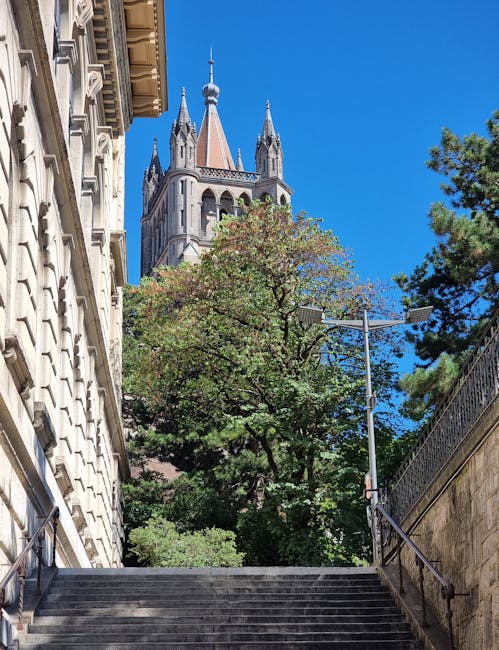
Context: Lausanne Cathedral (Place de la Cathédrale, 1005 Lausanne), Place de la Palud, medieval streets of the old town. These areas attract visitors looking for guided tours.
Scam: individuals offer “special” or “exclusive” guided tours of the cathedral and old town, asking for cash upfront. After a few minutes they pressure you for extra tips or demand a higher payment than agreed. Others claim to be certified guides when they aren’t and provide incorrect information, or they lead you to partner shops where they get a commission.
Hours and rates: official Lausanne Cathedral tours (tower visit) are often organized through the tourist office (Lausanne Tourisme, Place de la Palud 2, 1003 Lausanne; Tel. +41 21 320 01 01). Tower entry is around EUR 5–8, hours 10:00–17:00 depending on season. Unofficial “private” tours may charge EUR 15–40 per person; verify legitimacy before paying.
Warning signs: guide without a badge or certification, no association with the official tourist office, cash-only requests, pressure to “book now” without any written terms. Also watch for offers of “secret tips” that lead to extra costs.
Local tips: book tours through Lausanne Tourisme (Place de la Palud 2, 1003 Lausanne) or official monument websites. Always ask to see a professional card and check online reviews. Prefer guides listed by the tourist office to have an invoice and reference if there’s a dispute. If you feel pressured, politely decline and walk away — honest guides do not coerce customers.
7. Skimming devices and fake payment terminals near the station
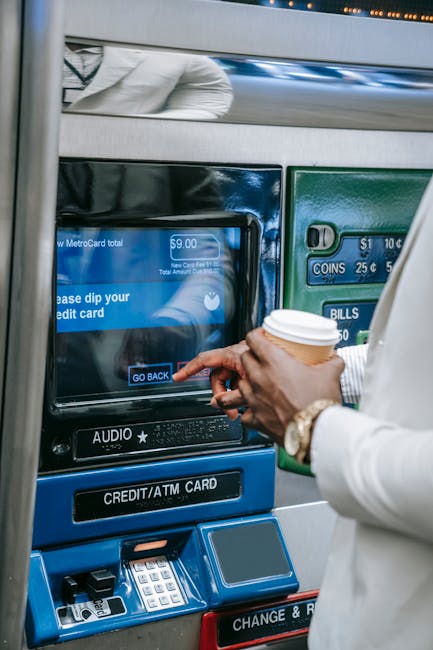
Context: Lausanne Train Station (Place de la Gare 1, 1003 Lausanne), petrol stations and ATMs around the station and shopping center.
Description: skimming involves attaching a device to an ATM or placing a fake cover on a card reader to copy card details. Fraudsters may also install a tiny camera to record your PIN. Fake portable payment terminals near bars or taxis can also capture your details. Victims often notice only after fraudulent withdrawals or charges appear.
High-risk times: often at night or in the evening, but it can happen any time. High-traffic spots (station exits, underground car parks, petrol stations) are preferred locations.
Warning signs: an ATM with loose or misaligned parts, a floppy keypad, a card reader that looks added-on, fresh adhesive, or difficulty inserting or removing your card. On terminals, beware if the device won’t show a normal network connection or seems partially detached.
Costs and consequences: fraudulent withdrawals can range from EUR 50 to 2,000+ depending on limits and delay before the card is blocked. Getting funds back depends on your bank and can take several days. The time and stress cost is often significant.
Local tips: use ATMs inside bank branches (e.g. Banque Cantonale Vaudoise, Place St-François 3, 1003 Lausanne) rather than street machines. Inspect the machine before use: wiggle the card slot, check the screen and keypad; if anything feels loose or suspicious, walk away. Cover the keypad when entering your PIN. For card payments in restaurants, wait for the terminal to be brought to you and ensure it never leaves your sight. If you suspect fraud, contact your bank immediately to block the card and file a report with Vaud Cantonal Police (Tel. 117).
8. Rental scams and fake holiday lets along the lake
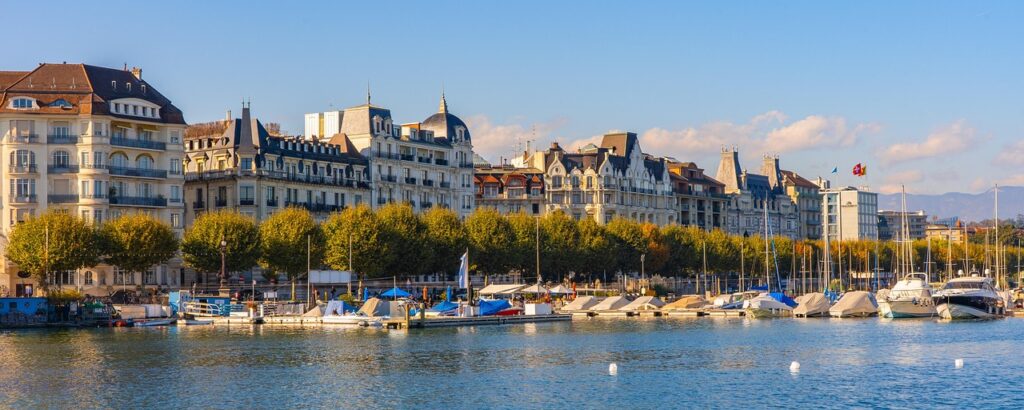
Context: short-term rentals and “lake view” apartments in Lausanne and neighboring lakeside towns (Pully, Lutry, Vevey). Ads increase during high season on online platforms.
Description: scammers post fake rental ads (stealing real photos from other listings) at attractive rates. They ask for a deposit via international bank transfer or direct payment to a personal account, then disappear. Sometimes an “agency” that isn’t registered manages the booking and asks for full payment before handing over keys, requesting personal details in the process.
Target areas: popular lake-view neighborhoods — Ouchy, Pully (Avenue du Temple 1, 1009 Pully), Lutry (Quai de Lutry), Vevey — and online listings claiming locations in 1006 Lausanne and nearby.
Indicative prices: a 1‑bedroom lake-view apartment in Lausanne for short stays: EUR 80–150/night depending on season. If you see a listing far below market (e.g. EUR 40/night for a 1‑bedroom on the lake in July), be very cautious — it’s likely a scam.
Warning signs: payment requested to a private foreign account, refusal to meet the owner, no written contract, generic photos or address inconsistencies, offers that seem too good to be true.
Local tips: use reputable platforms (Airbnb with protection, Booking.com) and read reviews. Ask to see the owner’s ID and a clear rental contract. Prefer platform-managed payments (built-in protection) or card payments. If scammed, keep all communications and report to the police (Vaud Cantonal Police) and the listing platform to try to recover funds.
9. Fake tourist buses and “last-minute” excursions in Ouchy
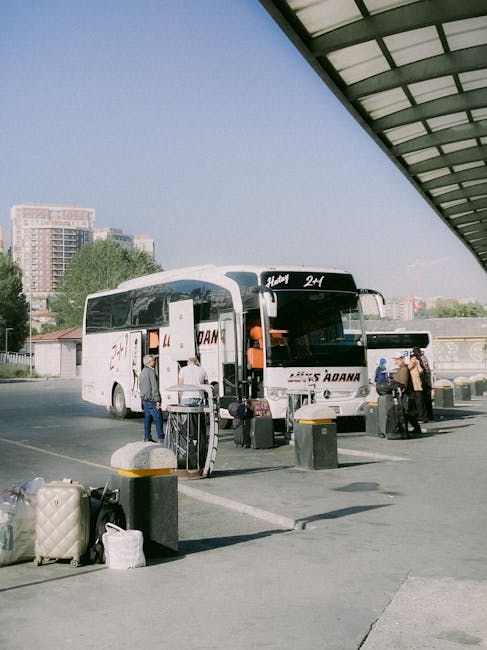
Context: Ouchy tourist area and the surroundings of the Olympic Museum (Quai d’Ouchy 1), where day trips to the Lavaux vineyards, Montreux or Geneva are offered.
Scam: street sellers push “last-minute” minibus excursions that don’t meet safety standards, take payment and then vanish without transporting passengers, or they take clients to partner shops of dubious quality. Vehicles may be unlicensed and uninsured, risking passenger safety. Sometimes a “free tour” is offered in exchange for commissions on purchases, but the visit ends up being highly commercial and shortened.
Timing: offers are common from 09:00–15:00 for day trips.
Indicative prices: official Lavaux vineyard half-day tours (UNESCO terraces) usually cost EUR 35–70; a full-day trip Lausanne → Montreux + Chillon Castle EUR 50–90. If something is extremely cheap (e.g. EUR 10–20 for a full day), be skeptical.
Warning signs: no itinerary information, vehicle without an agency logo, cash-only payment, pushy seller. Always ask for the agency name, address, vehicle registration and a signed paper.
Local tips: book with established agencies: Lausanne Tourisme (Place de la Palud 2, 1003 Lausanne) or local operators with websites and reviews. For Lavaux choose tours that include a certified guide and official tastings (EUR 45–80). Keep receipts and check that the vehicle is insured. If there’s an issue, note the license plate and report it to authorities.
10. Tip and « souvenir » scams at lakeside markets
Context: local markets (Place du Château, seasonal quay markets), street vendors and souvenir shops along the promenade.
Description: several variants exist: a vendor offers you a taste (wine, cheese) then demands a high payment; you’re pressured to pay for a “souvenir” after taking a photo or trying it on. Sometimes street sellers offer “local crafts” that are actually imported, low-quality items at high prices. Others request excessive tips for simple services (help with a suitcase, a photo). Vendors in tourist zones may also inflate prices if you pay in euros instead of Swiss francs.
Areas and times: morning and afternoon markets, particularly weekend summer markets on the quays and at Place du Château (old town). Seasonal markets usually run 08:00–14:00.
Indicative prices: souvenirs (magnets, postcards) EUR 1–6; local crafts (small pottery, jewelry) EUR 10–60; paid tastings EUR 3–15. If someone asks for an excessive tip (EUR 10+ for a minor service), question it.
Warning signs: no prices displayed, pressure to taste or be photographed without a clear explanation, refusal to accept card when the price is high. Also beware sellers claiming to have “official” event merchandise (unauthorized Olympic memorabilia).
Local tips: always ask the price before accepting a sample or service. Don’t be afraid to haggle politely. Buy from established shops (fixed address) for guarantees. For official Olympic souvenirs visit the Olympic Museum Shop (Quai d’Ouchy 1, 1006 Lausanne); hours 10:00–18:00, souvenirs EUR 5–50 depending on the item.
Conclusion — Smart travel around Lake Geneva: vigilance and common sense
Lausanne is a beautiful destination, with panoramic views over Lake Geneva, medieval lanes, museums and great food. Despite the area’s overall safety and charm, adopt a few vigilance habits: keep valuables secure, avoid suspicious cash payments, verify people’s identities and prefer official services (CGN for boats, Lausanne Tourisme for tours, banks for withdrawals). The scams outlined here — fake CGN tickets, pickpockets, overcharging taxis, fake volunteers, skimming, bogus rentals and more — are common in many popular tourist spots. The good news is that with some simple precautions you’ll dramatically reduce your risk and enjoy your stay.
Remember a few practical rules: pay in Swiss francs or by card to avoid poor conversions, make bookings and purchases via official channels, keep an eye on your belongings especially on terraces and the quays, and if something goes wrong contact local authorities (Vaud Cantonal Police — Tel. 117; Lausanne Municipal Police — Tel. +41 21 874 63 00). Also note the useful addresses mentioned in this guide: Olympic Museum, Quai d’Ouchy 1, 1006 Lausanne (open 10:00–18:00, ticket around EUR 17), Lausanne Train Station, Place de la Gare 1, 1003 Lausanne, and Lausanne Tourisme, Place de la Palud 2, 1003 Lausanne (Tel. +41 21 320 01 01).
Finally, don’t forget to enjoy the best of Lausanne: a sunset stroll in Ouchy, an immersive visit to the Olympic Museum, climbing the Cathedral for panoramic views, or a trip to the Lavaux vineyards, a UNESCO World Heritage site. With curiosity, preparation and a bit of caution, your time around Lake Geneva will be safe, rewarding and memorable.