





Introduction: Why Choose Lausanne and When to Go?
Lausanne, a jewel on the Vaud Riviera, cascades down terraces toward the shores of Lake Geneva. As the capital of the canton of Vaud and an internationally recognized Olympic city, it blends medieval heritage, world-class museums, panoramic parks and a lively urban scene. Picking the right time to visit Lausanne has a big effect on your trip: weather, crowds, cultural events and opening hours change a lot with the seasons. This guide breaks down the climate month by month and highlights the best times to get the most out of the city, plus practical details you’ll actually use: exact addresses, typical opening hours, indicative prices in euros and local tips to make getting around easier.
Lausanne benefits from a temperate climate moderated by Lake Geneva. Winters are generally milder here than in the alpine valleys, though the higher spots around the city (Sauvabelin, Montbenon) can see frost and occasional snow. Summers are pleasant and often sunny, with cool evenings that are perfect for strolling by the water. The transitions between spring–summer and autumn–winter bring noticeable changes: spring brings blossom and the city waking up, summer brings long days and festivals, autumn delivers warm foliage, and winter brings Christmas markets and a quieter atmosphere during the low season.
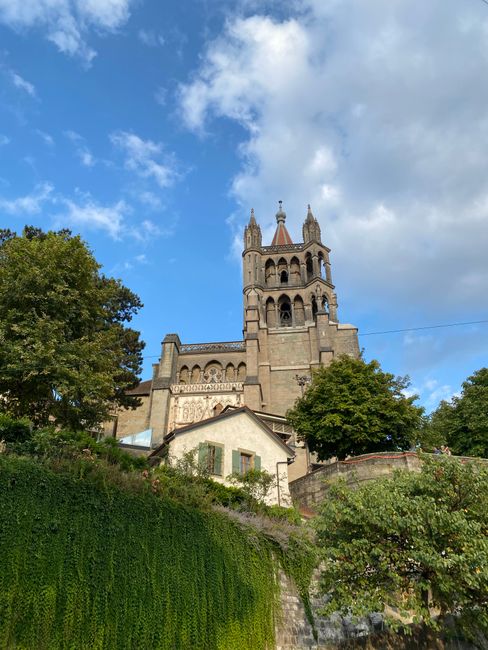
This guide doesn’t just list averages: it also offers practical itineraries, key sights with exact addresses (for example Lausanne Cathedral, Place de la Cathédrale 4, 1005 Lausanne), typical opening hours (museum hours and weekly closures) and indicative prices in euros to help you budget. You’ll also find local tips — how to use the M2 metro, where to enjoy a fondue or a plate of perch from the lake, which neighborhoods suit each season (Ouchy for sunny days, Le Flon for rainy nightlife) — plus advice on avoiding peak tourist times.
For each month the guide gives a practical readout: what weather to expect, which activities to prioritize (walks, museum visits, events), how to dress, and which sites to visit to make the most of the forecast. You’ll end up with a complete calendar you can use to plan a trip to Lausanne, whether it’s a romantic weekend, an active holiday, a cultural break, or a family outing.
January to March — Winter and Late Winter: Climate, Events and Practical Tips
January, February and March cover winter and the shift toward spring. Average temperatures in Lausanne typically range from around -1°C at night to 5–8°C during the day in January and February, then climb gradually in March (0–10°C). Lake Geneva moderates extremes: prolonged freezes are less common in the city than in the mountains, but the weather can still be changeable with rainy spells and crisp clear days.
Recommended activities: January and February are perfect for travelers after quiet streets and off-season prices. It’s a great time to enjoy museums without queues. The Olympic Museum (Musée Olympique, Quai d’Ouchy 1, 1006 Lausanne) is usually open Tuesday to Sunday from 10:00 to 18:00 (closed Monday); adult tickets are around €20 (reduced rates vary). The Collection de l’Art Brut (Collection de l’Art Brut, Avenue des Bergières 11, 1004 Lausanne) often opens 11:00–18:00, closed Monday; adult admission about €12.
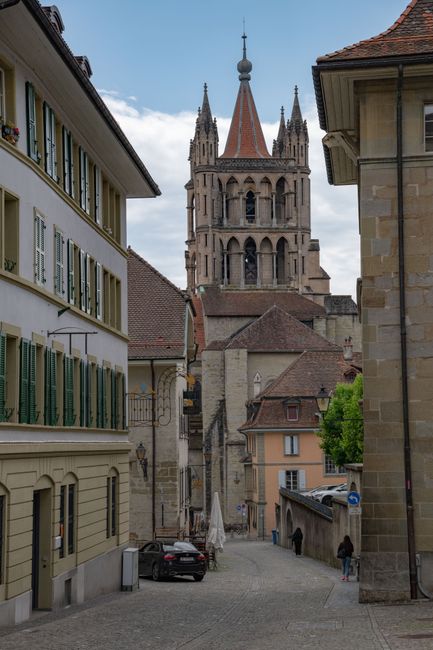
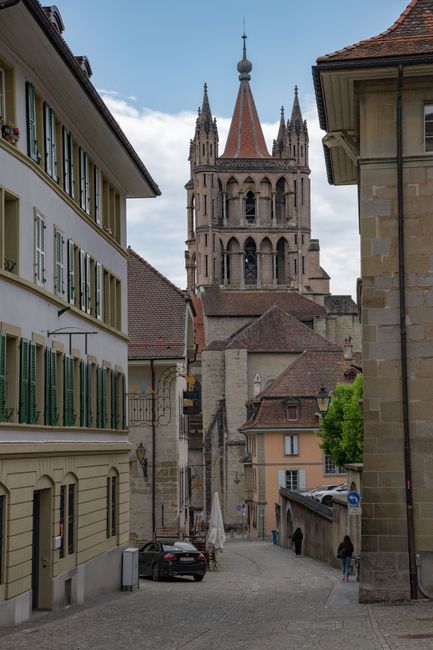
Churches and historic monuments have a special winter atmosphere: Lausanne Cathedral (Place de la Cathédrale 4, 1005 Lausanne) is free to enter; climbing the tower for panoramic views costs about €5 for adults and is typically open 10:00–17:00 (seasonal hours possible). For a winter stroll, Mon-Repos Park (Avenue du Théatre 1, 1005 Lausanne) and the Ouchy quays are pleasant, especially on sunny days. Lakeside restaurants serve hearty comfort food: a traditional fondue can cost roughly €20–35 per person depending on the restaurant.
Local tips: dress in layers (warm coat, scarf, gloves) and bring sturdy, non-slip shoes in case of frost. Public transport (M2 metro, TL buses) usually runs without disruption; a single ticket costs about €3–4 and a local day pass around €7–9. If you plan to ski, nearby alpine resorts (Villars, Leysin) are reachable in roughly 1 hour 15 minutes by train; check shuttles and schedules and book ahead during school holidays.
April to June — Spring: Blossoms, Lakeside Walks and Cultural Season Kickoff
Spring transforms Lausanne: April, May and June bring progressively warmer temps (averages 8–20°C) and nature coming back to life. April can still be variable with intermittent showers, while May and especially June deliver long, often sunny days — ideal for lakeside strolls and hikes in the surrounding hills.
Activities: this is the best season to enjoy Ouchy’s terraces and the parks. The Quai d’Ouchy, near the Olympic Museum (Quai d’Ouchy 1, 1006 Lausanne), is lovely for a bike ride or a lake cruise (regular departures from Port d’Ouchy; indicative prices €15–30 depending on duration). Sauvabelin Park and its tower (Tour de Sauvabelin, Avenue de la Tour-de-Sauvabelin 5, 1018 Lausanne) offer commanding views over the city and lake; access is usually a small fee (~€3–5) and the climb winds through an urban forest.
Museums start fully reopening their temporary exhibitions: Palais de Rumine (Musées cantonaux, Place de la Riponne 6, 1005 Lausanne) houses several collections (archaeology, geology, zoology) and is often open 10:00–17:00; some permanent collections are free while temporary shows may cost ~€5–12. Plateforme 10 (Rue du Maupas 14, 1004 Lausanne), home to the Cantonal Museum of Fine Arts (MCBA), stages contemporary exhibitions with entry fees typically €10–18.
Practical tips: April and May can still have cool mornings and evenings — bring a light jacket and a compact umbrella. By June it’s already possible to swim at Ouchy if you can handle the cool water (public beaches and changing areas: Plage d’Ouchy, Avenue de Rhodanie, free access; some clubs charge for showers). To avoid crowds, aim for museum visits in the morning and lakeside walks later in the afternoon.
July and August — Summer: Warm Weather, Festivals and Water Activities
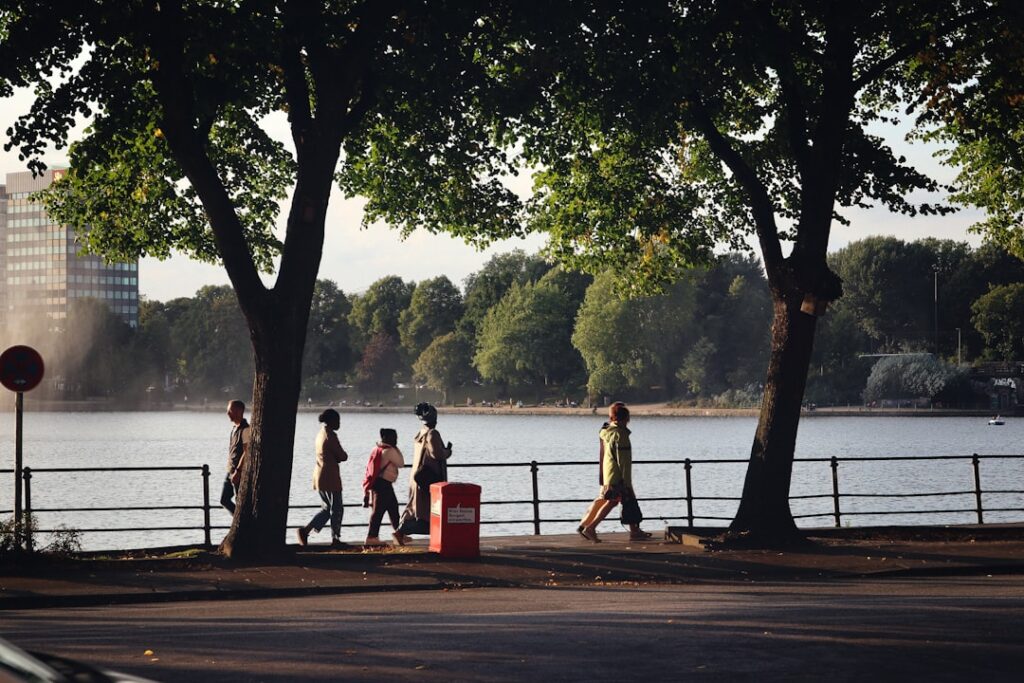
July and August are peak tourist months in Lausanne. Average temperatures usually sit between 20 and 28°C, with occasional highs above 30°C. The air tends to be dry and sunny: it’s prime time for water sports, festivals and dining on terraces.
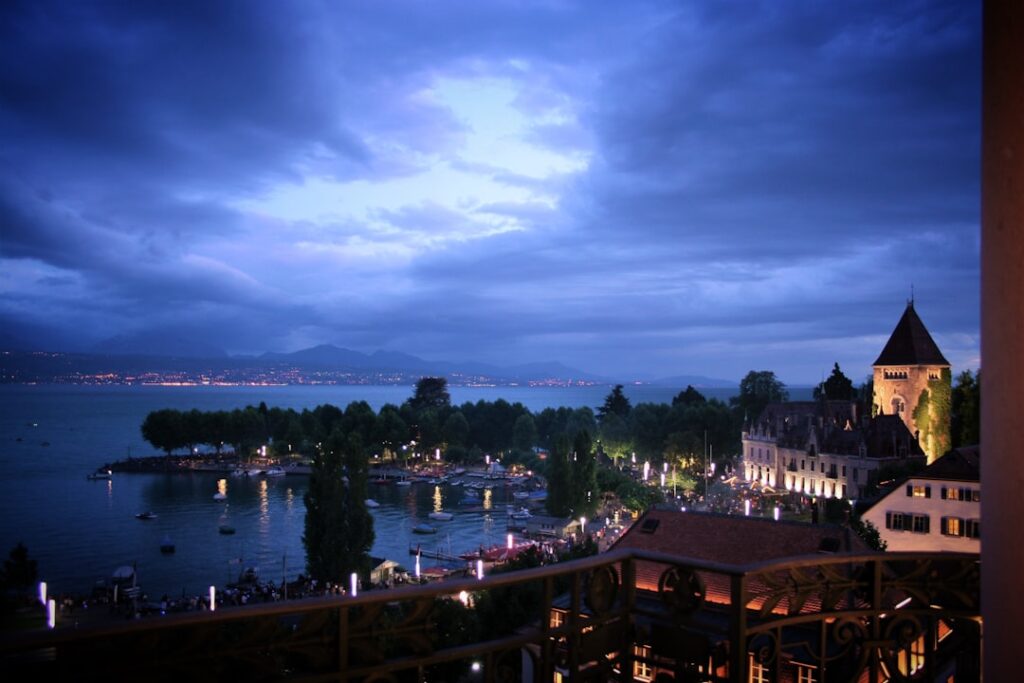
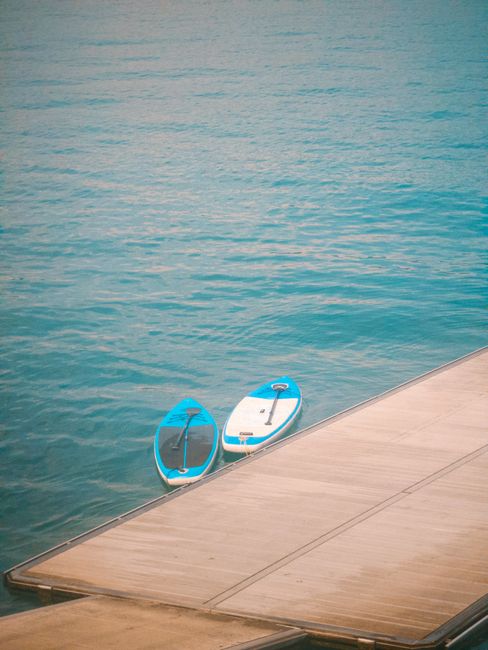
Ouchy becomes the hub of summer activity: swimming, paddleboarding, cruises and lakeside restaurants. Lake cruises depart from Port d’Ouchy — companies like CGN run tourist routes (for example Lausanne–Yvoire or lake tours); fares generally range €15–40 depending on distance and ticket type. Outdoor lovers will enjoy the Bellerive swimming complex (Piscine de Bellerive, Chemin de Bellerive 17, 1004 Lausanne): outdoor pools, diving boards and lake access; day entry roughly €5–12 depending on area and age.
On the cultural side, summer hosts popular events: Festival de la Cité (street festivals in early July, free, various venues across the old town), outdoor concerts and open-air cultural programming. Museums often extend their hours, but book ahead for in-demand MCBA exhibitions (Plateforme 10, Rue du Maupas 14, 1004 Lausanne). Restaurants offer summer menus; a lakeside meal (perch fillets) typically costs €25–45 per person depending on the venue (e.g. Café Beau-Rivage, Place du Port 2, 1001 Lausanne — reservations recommended).
Local tips: July and August draw large crowds; book accommodation and activities in advance. For getting around, favor the M2 metro (north–south axis) and public bike systems — the lakeside bike paths are very busy. If you want cooler air, head up into the wooded heights (Sauvabelin) or take an early morning boat to enjoy fresher breezes on the lake. Note the evening rush on the quays; for a quieter aperitif, check out bars in the Flon district (Rue du Petit-Chêne) later at night.
September and October — Autumn: Harvests, Colors and Moderate Prices
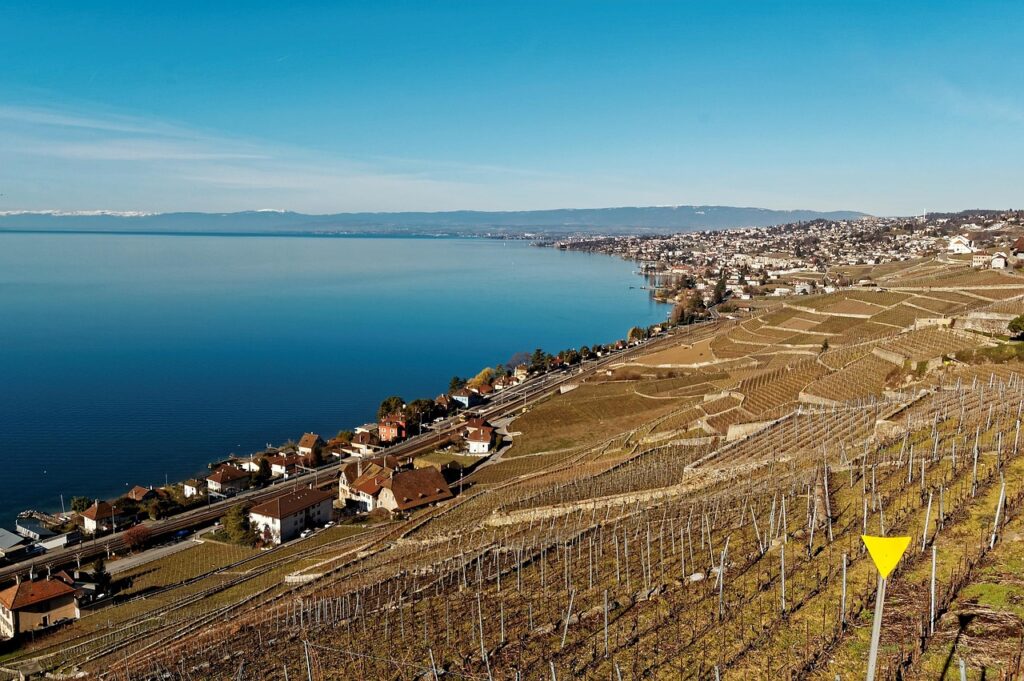
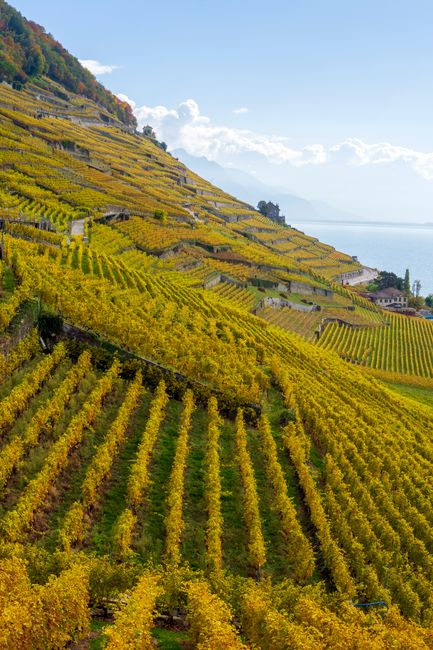
Autumn in Lausanne is often mild and bright. In September temperatures range from about 12 to 22°C; in October they drop gradually (6–15°C). The vineyards and parks turn warm shades, especially in the Lavaux terraces (a UNESCO World Heritage site) east of Lausanne that overlook the lake.
September is an excellent compromise: pleasant weather with fewer tourists. Walks through the Lavaux vineyards (Route du Vignoble, communes like Lutry and Grandvaux) are highly recommended: panoramic trails and wine-tasting in local cellars (tastings often €8–20 depending on the cellar). Tourist trains and guided walks are available; check with the tourist office (Palais de Rumine, Place de la Riponne 6, 1005 Lausanne) for details.
In October the city dresses in autumn tones and hotel and flight prices usually fall. It’s a great time for cultural and gastronomic outings: local markets and restaurants offer seasonal dishes (mushrooms, game) with main courses typically €20–40. Museums are quieter: the Musée de l’Élysée (photography museum, Avenue de l’Elysée 18, 1006 Lausanne) often hosts temporary shows — usual hours 10:00–18:00; adult tickets around €12–15.
Practical tips: pack warm layers and a windbreaker for cool mornings. For vineyard visits, wear comfortable shoes and plan travel by regional train or bus, or drive with parking options in Lutry and Cully. Still, book tables at well-known restaurants for weekend evenings as locals also head out during the harvest season.
November and December — Year-End: Low Season Calm, Christmas Markets and Festive Atmosphere
November and December mark the lead-up to winter and the festive period. November can be rainy and cool (2–10°C), while December often brings the first frosts and a festive feel with Christmas markets. Temperatures tend to hover between -1 and 6°C; snow in the city is possible but not guaranteed.
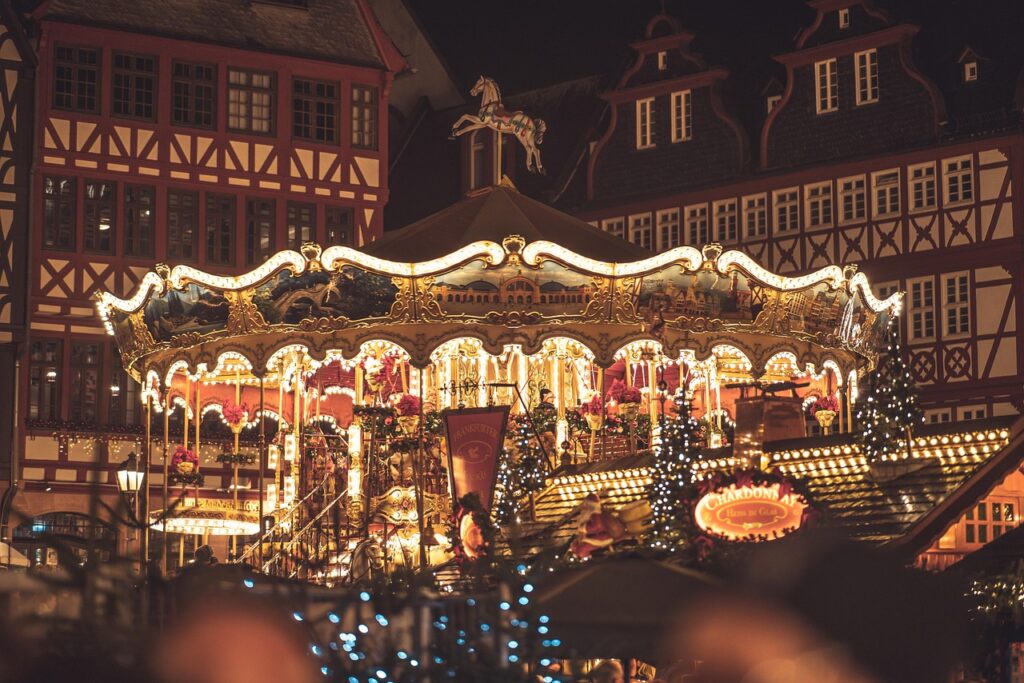
December is defined by Christmas markets, temporary ice rinks and lights. Lausanne’s Christmas market (locations and dates vary, often Place de la Gare and Place de la Palud) features stalls, local crafts and seasonal treats; entry is free, food and purchases typically range €3–30 depending on appetite. For outdoor ice rinks, check city announcements for locations and schedules (skate rental about €5–8).
Museums are a cozy refuge from the cold: the Cantonal Museum of Fine Arts (MCBA, Plateforme 10, Rue du Maupas 14, 1004 Lausanne) and the Roman Museum of Lausanne-Vidy (Route de Lausanne 2, 1007 Lausanne) offer rich experiences and temporary shows. December opening hours can vary around the holidays (closures on Dec 24, 25 and 31 in many places) — always check online before you go.
Tips for the season: take advantage of lower hotel rates outside school holidays. Public transport is reliable even in winter; buy a single ticket (≈€3–4) or a day pass if you plan many trips. Pack warm clothes, a hat and waterproof shoes. For a particularly charming atmosphere, stroll the old town (Place de la Palud, the stairway up to the Cathedral) in the late afternoon to see the lights and sample Swiss specialties in a traditional restaurant.
Ongoing Practical Advice: Transport, Budgets, Accommodation and Safety
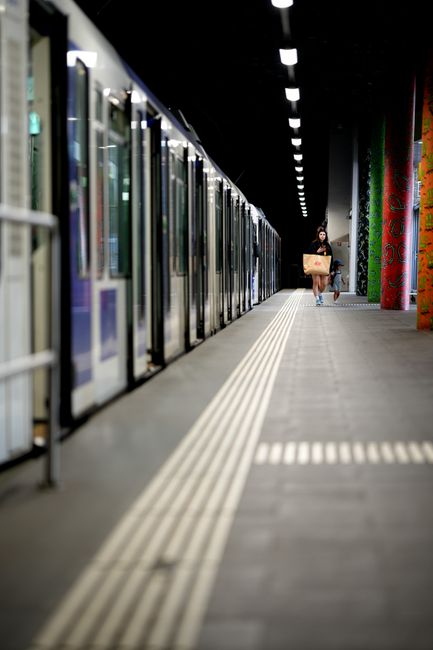
Transport: Lausanne is well served by Swiss Federal Railways (CFF) and a strong urban network (M2 metro north–south, TL buses). Locals favor the M2 to reach Ouchy (Ouchy-Olympique station) from the main station. Tickets: a single urban ride costs about €3–4; a day pass for unlimited travel in urban zones is around €7–9. For regional trips, CFF fares vary with distance — book early for promo fares. Taxis and ride-hailing services exist but are pricey: a short city trip typically costs €10–20.
Accommodation: prices vary greatly by season. In high season (July–August) expect €120–250 per night for a 3–4 star hotel in the city center (e.g. Hôtel Alpha-Palmiers, Rue du Grand-Pont 1, 1003 Lausanne); in low season deals at €70–120 are common. Hostels and Airbnb apartments offer cheaper alternatives (dorms or budget rooms from around €30–50 per night).
Food and leisure budget: a mid-range restaurant meal costs about €18–35 per person; coffee and pastries €3–7. Major museum prices are noted above; expect to pay €10–25 for many paid exhibitions. Cruises, guided tours and outdoor activities (paddleboarding, bike rental) range roughly €15–50 depending on duration and provider.
Safety and health: Lausanne is generally safe; as in any tourist city, watch your belongings in busy areas (Flon, Ouchy, old town). For emergencies call 144 (ambulance) or 117 (police); pharmacies often have daytime opening hours and on-call services. French is the main language; English is widely understood in tourist spots.
Conclusion: When Is the Best Time to Visit Lausanne?
Lausanne has something to offer year-round, and the “best” time depends on what you want to experience. For festival lovers, swimming and terrace life, July and August are top picks: stable weather, long days and plenty of activity. For travelers who prefer calm, museum time and better prices, the low season (January–February, November) is ideal: fewer crowds, shorter lines and an intimate winter vibe that’s great for cultural discoveries. Spring (April–June) is a superb middle ground: mild weather, blossom, terraces reopening and fewer tourists than high summer. Autumn (September–October) charms with color, harvest time in the Lavaux vineyards and great weather for hiking and tastings.
Practically, tailor your trip to your priorities: choose Ouchy and water activities for a summer stay, the old town and its museums for an off-season cultural visit, and Lavaux for wine-focused autumn escapes. Remember practicalities: book hotels in high season, double-check opening hours during holidays, consider fast-track tickets for popular exhibitions and bring clothing suited to shifting temperatures.
In short, Lausanne is visitable year-round. Whether you’re drawn to lakefront sunsets, the MCBA’s exhibitions (Plateforme 10) or a walk through Lavaux’s terraced vineyards, the city will meet your expectations. Prepare your trip using the practical info provided (addresses, hours and indicative prices), pack season-appropriate clothing and don’t hesitate to explore beyond the obvious — the old town’s alleys, the high parks and local markets hide just as many surprises as the big tourist draws. Enjoy your trip to Lausanne!