






Introduction — Teleconsultations and Emergency Care in Lausanne: What You Need to Know
Lausanne, the capital of the canton of Vaud, is a city where urban life meets the shores of Lake Geneva and modern medical facilities. Whether you live here, are an international student, or are just passing through, knowing how to access urgent care and make the most of teleconsultations is key to handling a medical situation with as little stress as possible. This guide aims to clearly and practically explain the options available in Lausanne: where to go in an emergency, how to arrange care via teleconsultation, which services actually fit your needs, what costs to expect in euros, and a few local tips to save time and avoid complications.
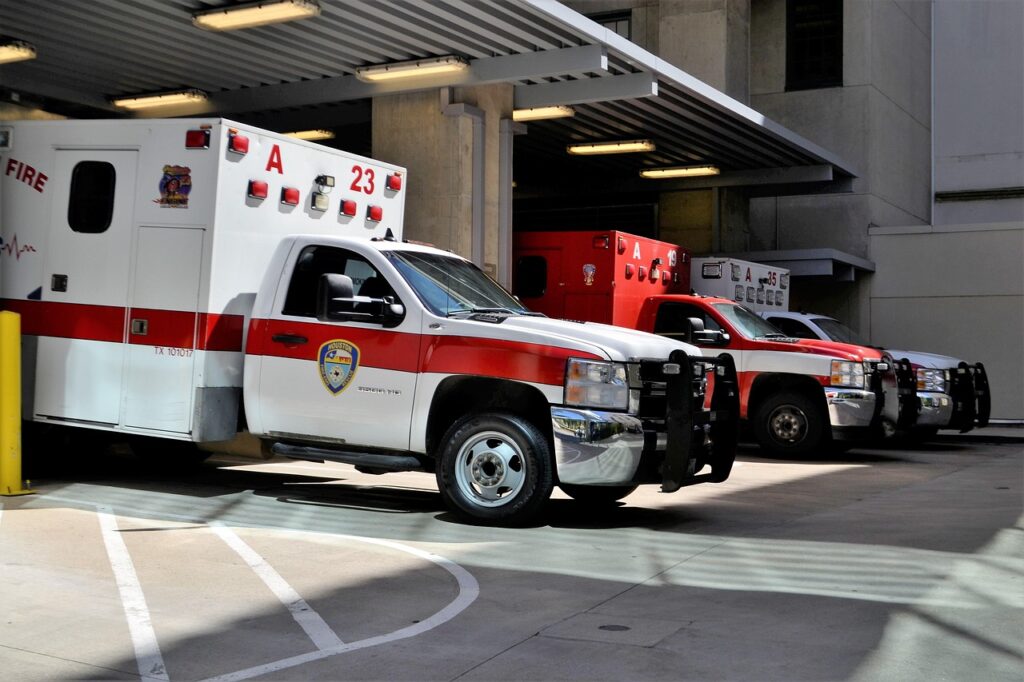
Teleconsultations have become a useful and sometimes preferred solution: they save time, allow initial medical triage, renew prescriptions, and provide immediate advice. In Lausanne they complement physical emergency services such as the emergency department of the Centre Hospitalier Universitaire Vaudois (CHUV) and specialist clinics. This guide not only outlines platforms and their approximate pricing in euros, but also details the physical locations it’s best to visit for issues that require an in-person assessment—fractures, chest pain, breathing distress, serious wounds, and so on.
We’ll give you practical information: exact addresses, opening hours (including 24/7 services), typical prices for teleconsultations and emergency visits (in euros), plus concrete tips to prepare for a teleconsultation (documents to have, photos to take, how to describe symptoms). The goal is to help you anticipate: know when a teleconsultation is enough, when to go to an ER, and how to avoid unpleasant administrative or financial surprises.

Finally, this guide includes local recommendations: on-call pharmacies, fast transport options to reach hospitals (tram, bus, taxi), tips for communicating with medical staff in French or English, and precautions for tourists (European Health Insurance Card, private insurance). The sections that follow are organised for practicality—first teleconsultation options, then emergency centres in Lausanne, followed by costs and administrative steps, and finishing with hands-on advice to manage an urgent situation calmly.
1) Teleconsultations: Platforms, Costs, How They Work, and Best Practices
Teleconsultation has become a medical reflex: it lets you get professional advice quickly, receive an electronic prescription, or get guidance on where to go next (your GP, the on-call doctor, or the ER). In Lausanne several platforms are commonly used by locals and healthcare professionals. The most widespread in Switzerland (and accessible from Lausanne) include Medgate, Doktor.ch, and services offered by private insurers. International platforms (e.g., Babylon, Ada) are also available, but their compatibility with local reimbursement systems varies.

Indicative prices in euros (subject to CHF/EUR exchange fluctuations):
- Medgate — general teleconsultation: around €30–€50 per call depending on time and complexity (short 15-minute consultation ~€30, longer consultations up to ~€50).
- Doktor.ch / Local GP teleconsult — €25–€60 depending on the doctor and whether a prescription is issued (uninsured patients or out-of-network consultations may cost more).
- Insurers / included services — some supplementary insurance plans cover teleconsultations fully or partially; apparent cost to the user: €0–€30 depending on the contract.
These prices are estimates in euros: in Switzerland billing is normally done in Swiss francs (CHF). We provide euro figures by request, but expect a conversion at the time of payment.
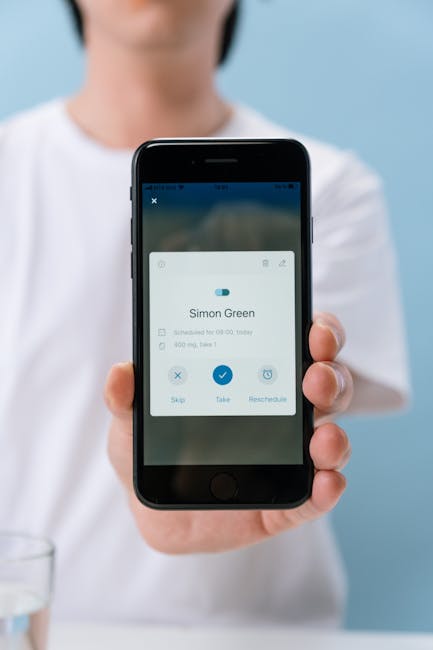
Hours and availability: the strength of these platforms is availability outside regular office hours. Medgate, for example, offers 24/7 services; other practitioners may be available at night or on weekends depending on schedules. Most platforms display available time slots in real time and let you book a slot or start an immediate consultation (video call). In case of a life-threatening emergency, however, call local emergency services (dial 144 in Switzerland).
Preparing for your teleconsultation — practical checklist:
- Documents: insurance card, ID or passport, emergency contact details.
- Medical history: current medication list (name and dosage), known allergies, relevant medical history (chronic illnesses, surgeries).
- Symptoms: note the time of onset, intensity (scale 1–10), progression, and any factors that worsen or relieve the issue.
- Photos / videos: for wounds, rashes, swelling or injuries, take clear images before the consultation and have them ready to share.
- Environment: a quiet place with a stable internet connection and a charger for your device.
These elements speed up medical decision-making and can prevent an unnecessary trip to the ER.
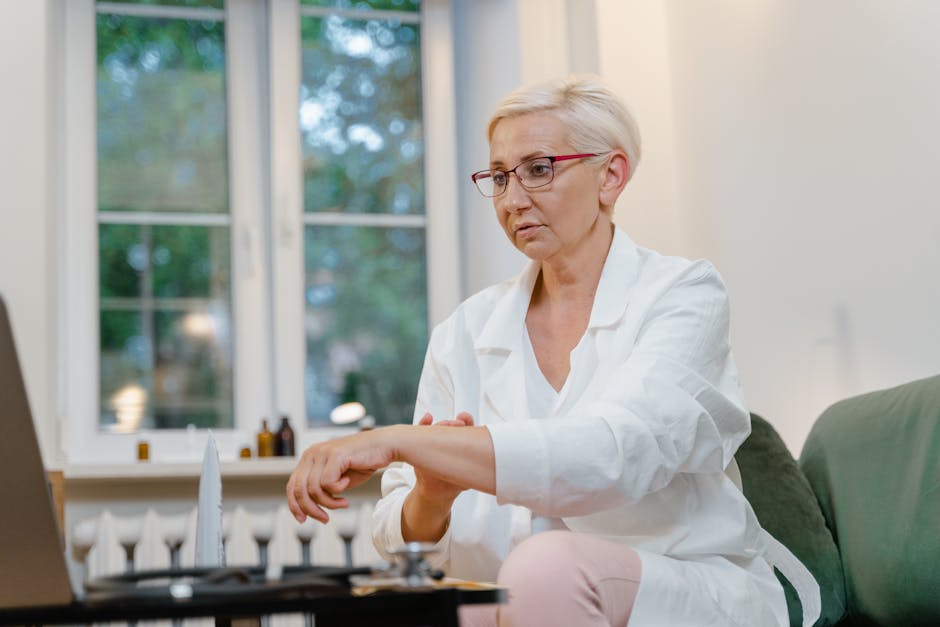
Limits of teleconsultation: a teleconsultation does not replace a full physical exam. Signs that always require an in-person evaluation include:
- Acute coronary syndrome (severe chest pain, sweating, breathing difficulties)
- Trauma with suspected open fracture or loss of consciousness
- Heavy bleeding or respiratory arrest
- Acute focal neurological signs (new paralysis, severe speech disturbance, vision loss)
In these cases, you should go to the nearest emergency department or call emergency services (144).
2) Emergency Centres and Hospitals in Lausanne: Addresses, Hours, and What to Expect
For emergencies that need physical treatment, Lausanne has major medical facilities. The main reference point is the Centre Hospitalier Universitaire Vaudois (CHUV), which covers a broad range of specialties and has a 24/7 emergency department. Knowing its address, how to get there quickly, and what to expect is vital.
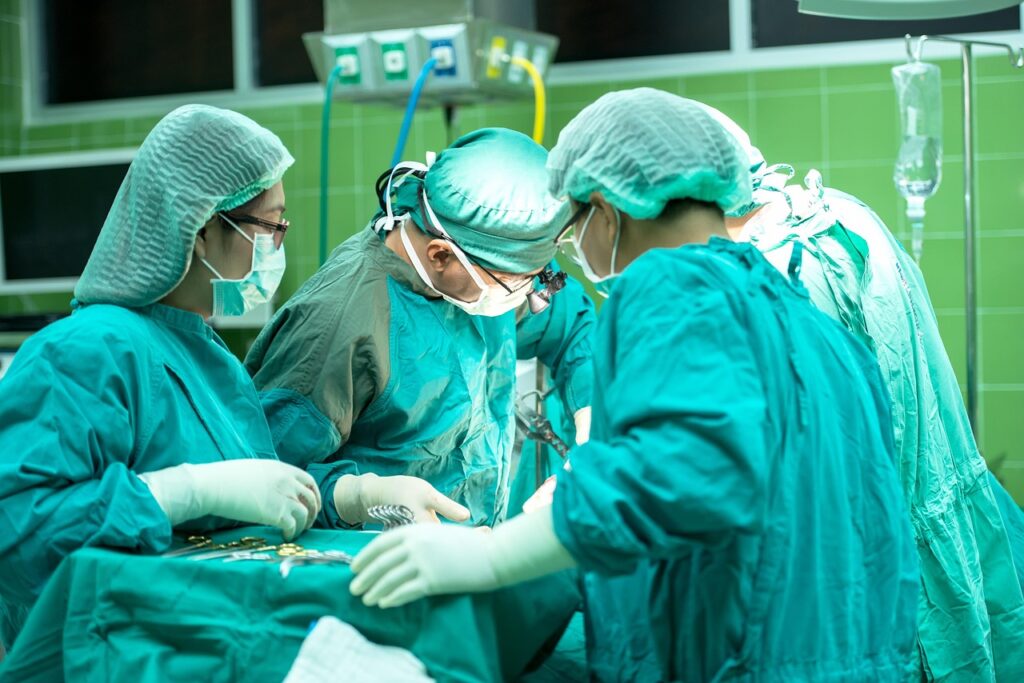
Centre Hospitalier Universitaire Vaudois (CHUV)
- Address: CHUV – Centre hospitalier universitaire vaudois, Rue du Bugnon 21, 1011 Lausanne
- Services: Adult and pediatric emergency departments, imaging, operating theatres.
- Hours: Emergency services open 24 hours a day, 7 days a week.
- Indicative fees: urgent care at a public hospital is billed in CHF; depending on severity, an ER visit can amount to the equivalent of €100–€300 for the consultation alone, excluding additional tests (radiology, blood tests, admission).
- Access: tram 15, public buses and taxis; paid parking on site and parking lots around the hospital.
CHUV is a large university centre: expect structured care (triage, waiting area, specialist consultation), which can take time depending on urgency and patient flow.
Jules-Gonin Eye Hospital (ophthalmology specialty)
- Address: Jules-Gonin Eye Hospital, Rue Jules-Gonin 46, 1008 Prilly (near Lausanne)
- Services: Ophthalmologic emergencies, specialised procedures. Open during daytime for consultations; ophthalmologic emergency services available by referral or in cases of serious eye trauma.
- Hours: Weekday consultations; emergency ophthalmology outside these hours usually by referral.
- Indicative fees: specialised emergency consultation ~€60–€150 equivalent, depending on tests (fundoscopy, OCT, etc.).
If you have an eye injury, showing a photo of the trauma during a teleconsultation can speed up the decision: suture, irrigation or referral to Jules-Gonin.
Private reference clinics (example for minor emergency care)
- Note: private clinics and medical centres in Lausanne handle non-life-threatening emergencies (sprains, wounds needing stitches, infections); address and availability depend on the provider chosen.
These private facilities can offer shorter wait times but at a higher cost. If you don’t have a comprehensive list, check local websites or use your teleconsultation service to direct you to a partner centre.
3) Pharmacies, On-Call Doctors and Complementary Services: Useful Addresses, Hours and Prices
Outside hospital emergencies, Lausanne has a network of pharmacies, on-call doctors and clinics offering rapid services for common needs (fever, mild respiratory infections, prescription renewals, minor wounds). Having a few addresses and opening hours at hand can spare you an unnecessary trip to the hospital for a minor issue.
Station Pharmacy / On-Call Pharmacy (example)
- Indicative address: Pharmacie de la Gare, Place de la Gare 9, 1003 Lausanne
- Hours: often open weekdays 08:00–19:00; some pharmacies provide night or weekend cover—check the Swiss Pharmacies Federation website.
- Services and prices: free advice, sale of over-the-counter medicines; paid pharmaceutical consultations may cost ~€10–€20. Prescription medicines are charged at the pharmacy’s official price (e.g., paracetamol 20 tablets ~€2–€5 equivalent).
Note: exact address and opening hours vary; it’s wise to call or check online before you go.

On-call doctors and clinics: during nights and weekends, an on-call service ensures coverage. For updated numbers and addresses, dial 144 in a life-threatening emergency, or consult the canton of Vaud’s website for the list of on-call doctors and their consultation locations (often grouped practices or medical centres). Consultations with an on-call doctor typically cost €40–€120 depending on the intervention and tests.
Minor emergency centres: these walk-in clinics handle sprains, cuts, skin infections and other non-life-threatening conditions. Waiting times are often shorter; costs are similar to a GP consultation, with extra fees for stitches or x-rays.
4) Pricing, Insurance and Reimbursement: Understanding Costs in Euros in Lausanne
Switzerland mainly bills medical services in Swiss francs (CHF). However, to meet your request we provide rough ranges in euros. Actual costs can vary with exchange rates, the type of facility (public vs private), health insurance and the tests required.
Indicative prices (in euros):
- Standard teleconsultation: €25–€60
- General practitioner consultation in office: €40–€120
- CHUV emergency visit (triage + consultation): €100–€300
- Simple X-ray: €50–€150
- CT scan: €200–€700
- Basic blood tests: €20–€100 depending on panels
- Simple sutures (wound): €60–€250
- Hospitalisation (per night): €400–€1500 and up depending on room and procedures
These figures are order-of-magnitude estimates; the actual invoice in CHF will be detailed by the facility.
Insurance: most Swiss residents have basic health insurance (LAMal) that covers part of care. Tourists should present travel insurance or the European Health Insurance Card (EHIC) if applicable, but the EHIC does not guarantee full coverage for care outside the EU/EEA. Check your private insurance for reimbursement terms. For teleconsultations, some platforms bill the user directly and reimbursement depends on your policy.
Practical tips to limit costs:
- Start with a teleconsultation to assess whether an in-person visit is necessary.
- Ask for an estimated quote before agreeing to expensive tests (CT scan, hospital admission).
- Keep all invoices and prescriptions for possible reimbursement claims to your insurer.
- For non-urgent care, favour recognised private practices or medical centres that often publish transparent prices.
5) Practical Local Tips for Handling an Emergency in Lausanne
Local knowledge saves time. Lausanne is well-served but some areas (upper town, Ouchy, Malley) can add travel time. Below are concrete local tips to act effectively in an urgent situation.
Numbers and transport:
- Emergency number: 144 (ambulance/medical emergencies) — call in case of a life-threatening emergency.
- Police and fire: 117 (police), 118 (fire brigade).
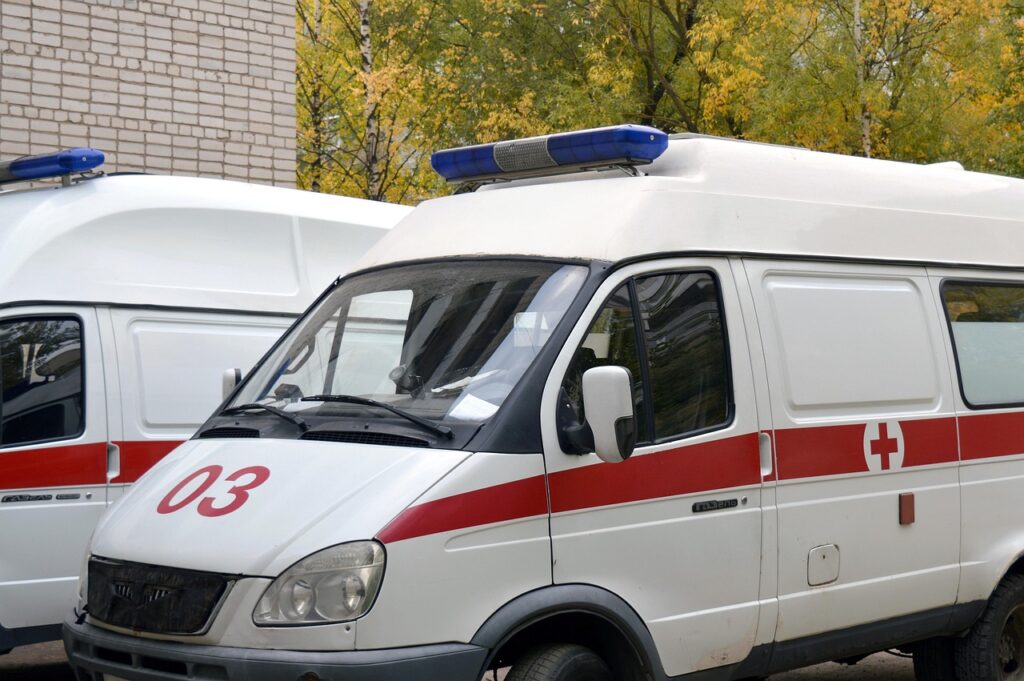
- Fast transport: tram lines 2 and 5, TL buses (Transports Lausannois) serve hospital areas; taxis and ride-hailing services are available 24/7 from Lausanne Centre and the train station.
For a fast transfer to CHUV, trams and buses are convenient, but if the situation is severe prefer an ambulance which will have priority access.
Communication and language:
- Lausanne is French-speaking; many healthcare professionals also speak English. Prepare a clear description in French if you can (symptoms, timeline), otherwise prepare one in English.
- If you need an interpreter, some hospitals can provide one; mention this at registration.
Tips for tourists:
- Always carry your insurance card, hotel contact details and an accepted payment method (international bank card).
- If you’re a citizen of an EU/EEA country, bring your European Health Insurance Card (EHIC)—it helps administrative procedures but may not cover all costs in Switzerland.
- Note the exact hotel address to help emergency services find you if you can’t communicate it yourself.

Prepare an emergency kit: keep copies of your insurance documents, a list of medications and an emergency contact. This speeds up admission at the ER and communication with your insurer.
Conclusion — Summary and Final Recommendations
In Lausanne, the combination of teleconsultations and physical emergency facilities provides a comprehensive response to health needs, whether it’s a fever, an injury, or a worrying symptom. Teleconsultation is a useful first step: it often triages cases, issues prescriptions and directs patients to a consultation or emergency centre when necessary. Available platforms offer immediate or scheduled consultations; their costs (estimated here in euros) generally range from €25 to €60 for a standard consultation, though billing is most often in CHF. For problems requiring an in-person exam, CHUV (Centre hospitalier universitaire vaudois, Rue du Bugnon 21, 1011 Lausanne) remains the primary reference with a 24/7 emergency department. The Jules-Gonin Eye Hospital (Rue Jules-Gonin 46, 1008 Prilly) handles specialized ophthalmologic emergencies.

Quick practical recap:
- If unsure but non-life-threatening: favour a teleconsultation to save time and money; prepare photos, your medication list and a chronological symptom description.
- In a life-threatening emergency: call 144 immediately and follow instructions; transfer to CHUV is often the best option.
- Carry your insurance documents and ID; euro amounts given are indicative—expect billing in Swiss francs.
- Know the key addresses: CHUV (Rue du Bugnon 21, 1011 Lausanne) for general emergencies, Jules-Gonin (Rue Jules-Gonin 46, 1008 Prilly) for eye emergencies, and check local on-call pharmacies for urgent advice and medicine.
Above all, stay calm and organised. Good preparation (documents, photos, clear symptom descriptions) and knowledge of local options (teleconsultation, on-call doctors, CHUV) will help you handle an emergency in Lausanne more calmly and effectively. If you’re travelling, check your insurance coverage before you leave and note local emergency numbers. For residents, inform your regular GP if you used a teleconsultation or visited an ER to ensure consistent follow-up. Lausanne offers high-quality medical resources—knowing how to use them makes the difference between a stressful episode and a well-managed care experience.