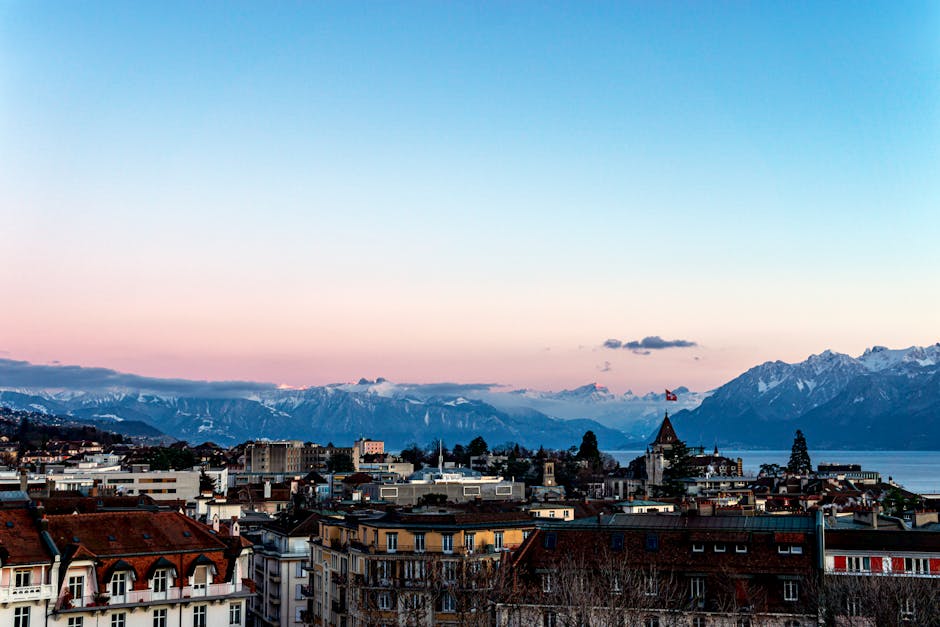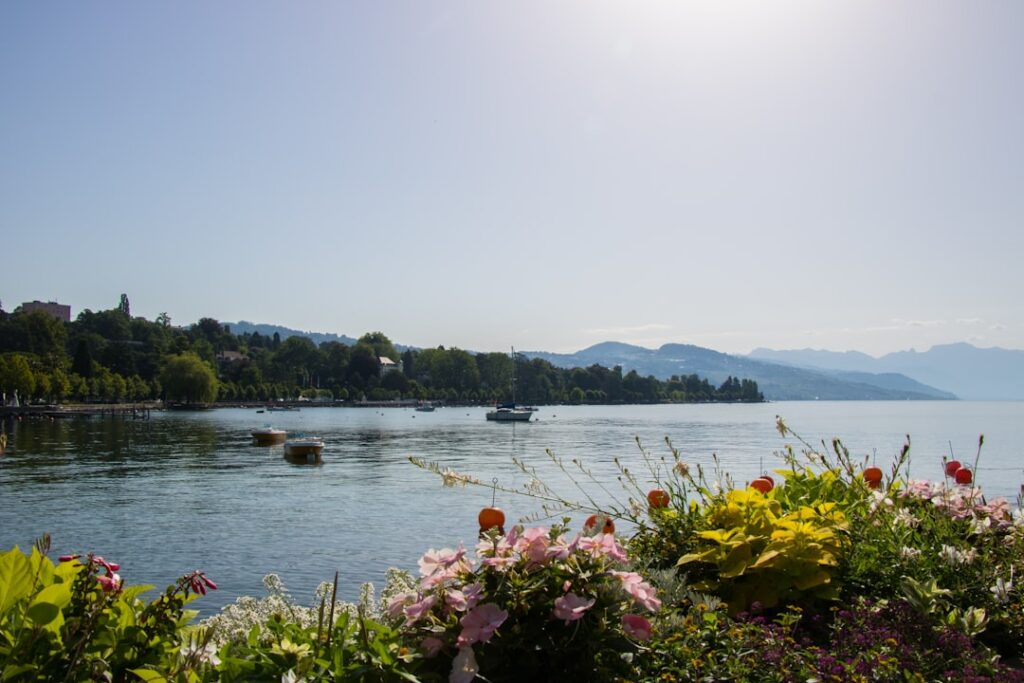






Introduction: Lausanne’s secret gardens — a green breath away from the crowds
Perched above Lake Geneva, Lausanne is usually celebrated for its shiny waterfront, winding medieval lanes and vibrant cultural scene. Yet tucked into that urban picture are pockets of greenery where time slows and the city reveals another side: intimate, mysterious and decidedly leafy. This guide leads curious travelers to Lausanne’s secret gardens — often discreet, usually uncrowded spots that offer surprising views, rare plant collections and atmospheres made for quiet reflection. We focus on accessible, practical locations with precise addresses, opening times and useful details so you can plan your walks with no surprises.
“Secret garden” here isn’t limited to a hidden walled plot: it covers forgotten parks, tree-lined terraces, arboretums on the forest edge and little institutional gardens that the public rarely knows about. Some sites are run by the City of Lausanne, others belong to hospitals or educational institutions; some are small private gems that open to the public during special events. What they share is relative calm, rich landscaping and encounters with local and introduced flora — often away from the usual tourist trails.
This guide takes a practical approach: for each garden you’ll find the full name, exact address, typical opening hours and ticket information shown in euros (€) — handy for international visitors budgeting their trip. We also include an immersive description of what to expect (views, plant species, features), local tips (best times to visit, walking routes, nearby food options) and suggestions for photographing or meditating in these spots. To help inspire your photos, we’ve placed image markers at the most picturesque locations: landscapes, botanical details, urban viewpoints and greenhouse interiors.
Whether you live in Lausanne and are hunting for a new bench to read on, you’re a tourist adding an urban-nature experience to your stay, an amateur photographer or a gardener seeking ideas, this guide will take you off the beaten path. We cover major botanical institutions as well as modest gardens steeped in history. Some addresses are perfect for quiet family strolls, others for romantic sunsets. Lace up your walking shoes, bring a notebook or your camera: Lausanne hides green treasures that this guide will help you discover, step by step.
Conservatoire and Botanical Garden of the City of Lausanne — a scientific microcosm in the heart of the city
The Conservatoire and Botanical Garden of the City of Lausanne (commonly called the « Lausanne Botanical Garden ») is a must-see for anyone wanting to understand urban plant diversity. Full name: Conservatoire et Jardin botaniques de la Ville de Lausanne. Address: Avenue de Cour 19, 1007 Lausanne, Switzerland. While the main displays attract plant lovers, the less-visited peripheral grounds and greenhouses offer peaceful spaces for discovery.
Opening hours: Open daily from 08:00 to 18:00 (hours may vary by season; greenhouses sometimes closed on Mondays for maintenance). Price: General admission to the outdoor gardens is free (0 €). Some temporary exhibitions and guided tours may be paid — in 2026, guided tours around 10 € per adult; specialized workshops 15–25 €. Check the welcome desk for current rates and registration details.
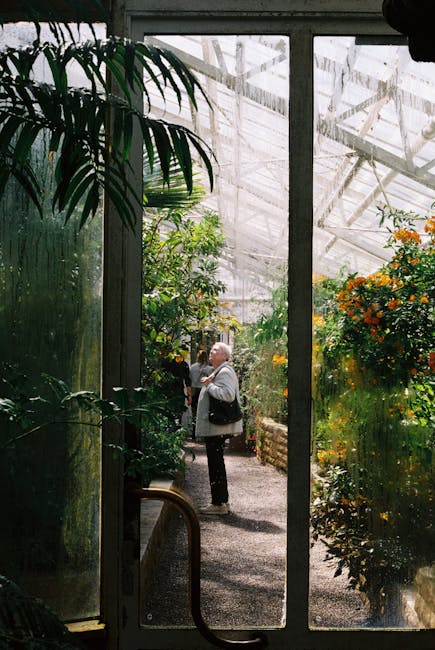
Immersive description: On entry, you’re struck by the precision of the flowerbeds and the variety of rare species kept here. The greenhouses showcase microclimates — a humid tropical house, a desert house and sections dedicated to orchids and carnivorous plants. Shaded paths host themed beds (medicinal plants, alpine species, regional collections). These areas are cared for by botanists and passionate gardeners and have a strong educational bent: interpretive panels, color-coded classification and informative labels. For photographers, morning light is best when the dew highlights leaf textures.
Local tips: Visit on a weekday early in the morning (08:30–10:30) to avoid school groups and enjoy soft light. The garden is walkable from Lausanne train station (20–25 minutes) or reachable by bus lines 2/3/12 depending on where you’re coming from; nearby stops: « Bessières » or « Grancy ». There are benches and small rest areas, but limited onsite food options — bring a drink and a snack if you plan a picnic in permitted zones.
Parc de l’Hermitage and its forgotten terraces — viewpoints, sculptures and bucolic calm
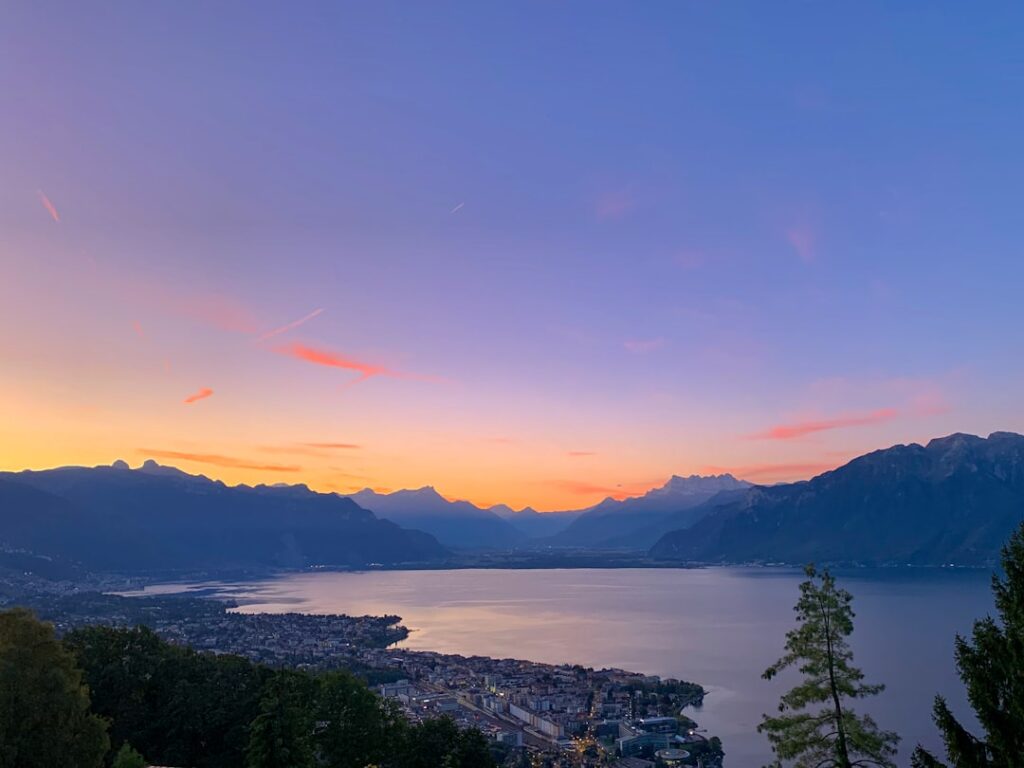
Parc de l’Hermitage is often praised for its sweeping views over Lake Geneva, but it also hides lesser-known corners: planted terraces, groves and a network of paths that offer rare urban perspectives. Full name: Parc de l’Hermitage (historic municipal park). Address: Avenue d’Ouchy 37, 1006 Lausanne (main entrance from the top of the park) — note there are several pedestrian entrances from neighboring streets. The park is managed by the City of Lausanne and is a go-to spot for anyone looking for nature with a view.
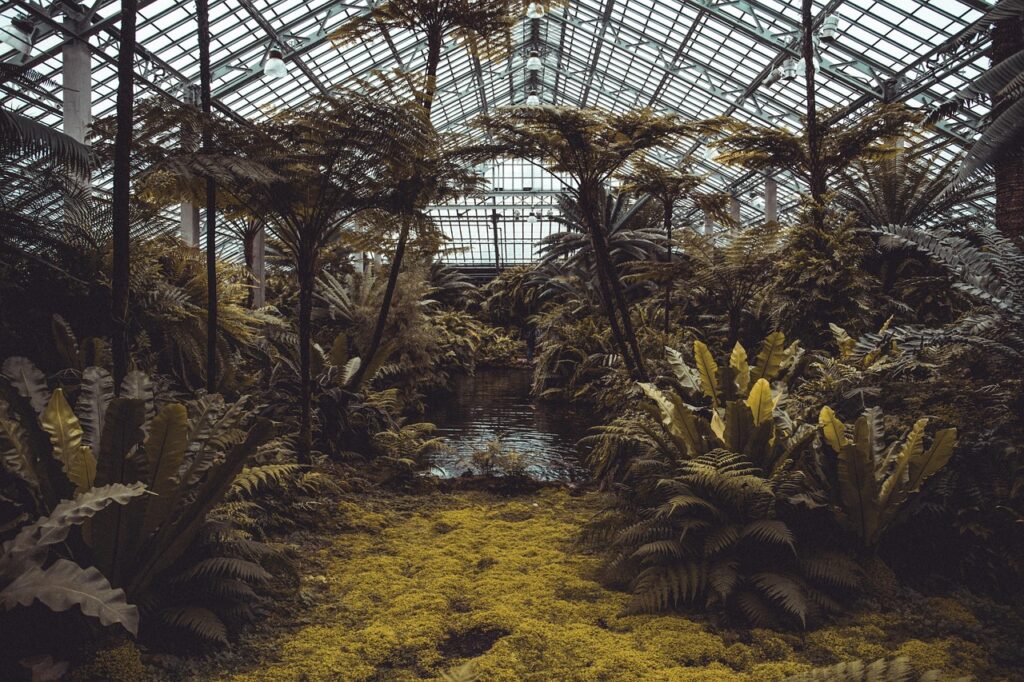
Opening hours: Open 24/7 (nighttime visits are not recommended for safety reasons). Price: Free entry (0 €). Immersive description: Walking along the grassy avenues you hear the wind through beeches and sycamores and spot modern sculptures scattered here and there. South-facing terraces provide open panoramas of the lake, the mountains and the sailboats drifting on the water. Less frequented than the lakeside lawns, some Hermitage clearings are perfect for reading or meditating. Stone benches tucked beneath pergolas create shady niches where you can watch the city without being seen.
Local tips: Start from « La Sallaz » metro station (M2) and take your time wandering the side streets before arriving; the less direct route reveals small planted staircases and wrought-iron gates. Sunset is magical but popular: arrive 30–45 minutes early to secure a spot on the best terraces. For photographers, the shadows cast by plant structures make beautiful late-afternoon compositions. Nearby, the Brasserie de l’Hermitage and several cafés offer hot drinks and pastries to accompany your break.
Sauvabelin Arboretum and the wooden tower — forest, wildlife and unexpected panoramas
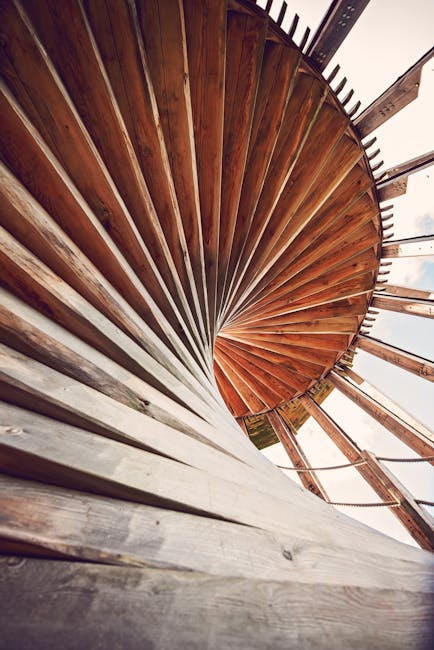
The Sauvabelin Arboretum sits on the forest edge and is best known for the famous Sauvabelin Tower, a large wooden structure that delivers a spectacular panoramic view of Lausanne, the lake and the Alps. Full name: Arboretum and Sauvabelin Tower. Address: Chemin du Sauvabelin 10, 1018 Lausanne. Although the tower draws most visitors, the arboretum itself — with its tucked-away paths and collections of native and exotic trees — is ideal for botany fans and families seeking a morning escape.
Opening hours: The arboretum is open during daytime (06:00–20:00 depending on the season). The Sauvabelin Tower is typically open from 09:00 to 19:00 in high season and 10:00 to 17:00 off-season; check onsite hours. Price: Arboretum access is free (0 €). Tower climb paid in 2026: about 3 € per adult, 1.50 € for children; family discounts available. Prices may change, so check posted information before buying a ticket.
Immersive description: The arboretum is an organized collection of trees with ecological and aesthetic importance: majestic conifers, maples with sculptural bark and a few Mediterranean species that benefit from favorable microclimates. Paths wind between ponds and benches, and you might spot small bird populations and, occasionally, a deer at the forest edge. The experience culminates with the spiral climb of the Sauvabelin Tower: each landing opens a new perspective. From the top you take in the city, the shimmering lake and the Alpine range — a view that explains why both amateur and pro photographers come here.
Local tips: To avoid crowds, go early in the morning or late afternoon on weekdays. In winter the tower and paths can be slippery — wear sturdy shoes. The arboretum is family-friendly: limited playgrounds but wide clearings for picnics. Themed guided walks (dendrology, birdwatching) are sometimes offered by local associations; these usually have a fee — around 5–12 € depending on length. Nearby, the Restaurant de Sauvabelin has simple, friendly options if you want to extend your visit.
Hospital gardens and hidden campuses — small oases of calm and history
Beyond public parks, Lausanne has gardens attached to institutions: hospitals, schools and former private estates turned semi-public. These hospital gardens often provide surprising quiet and careful maintenance, sometimes designed for patient wellbeing but open to attentive visitors.
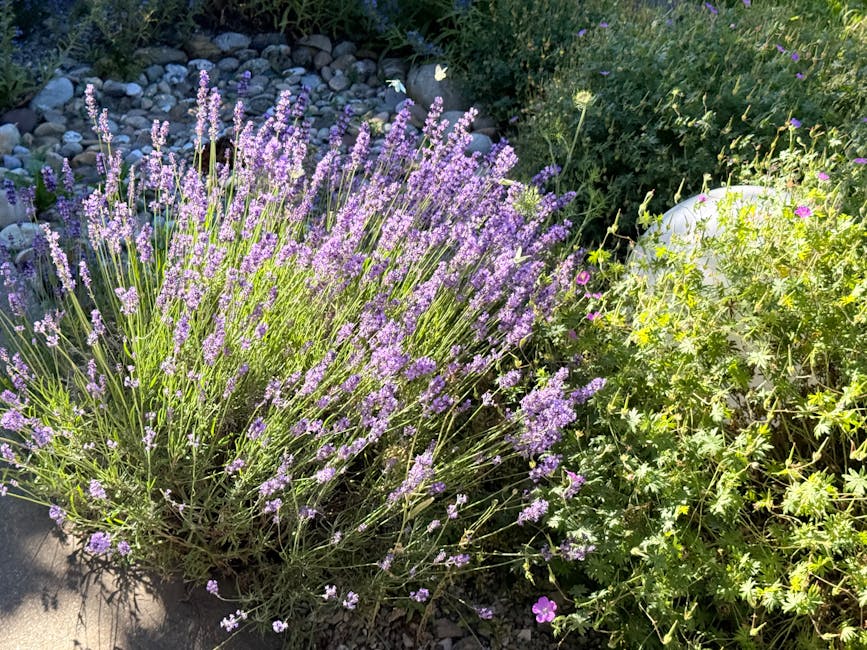
Notable example: Garden of the CHUV Hospital (Centre Hospitalier Universitaire Vaudois). Address: Rue du Bugnon 46, 1011 Lausanne. Opening hours: outdoor areas accessible during the day, generally from 08:00 to 20:00; access may be restricted in some zones. Price: free (0 €). Description: CHUV’s gardens include paths lined with roses, aromatic beds and benches facing calm ponds. These spaces are designed for tranquility and contact with nature, with plants chosen for their soothing qualities. Tip: respect areas marked as reserved for staff or patients.
Another discreet spot: the garden at Collège Champittet (or gardens of private schools that sometimes open for special days). Address (example): Chemin du Pré-aux-Moines 5, 1004 Lausanne (check public access days). These gardens aren’t always open to the public but occasionally welcome visitors during events, horticultural fairs or outdoor concerts. Price: variable, often free during events; workshops may charge (5–20 €).
Immersive description: These gardens have a meditative feel with clean paths, seasonal flower beds and shaded corners. They’re ideal for a lunchtime pause or a calming walk after a more active outing. Features often include interpretive panels, medicinal plant plots and contemporary landscape forms. Carefully designed lighting at certain events creates magical nocturnal atmospheres for moonlit strolls.
Local tips: Always check with reception (hospital front desk, school office) before planning a visit: opening hours, open days and access rules can change. Be discreet and respectful, especially in gardens linked to healthcare facilities. If you want a more structured experience, look into « hortitherapy » workshops often run by Lausanne associations — participation roughly 10–30 € per session.
Conclusion: Weaving these secret gardens into your Lausanne itinerary
Lausanne’s secret gardens form a network of places where the city breathes differently. From the Conservatoire and Botanical Garden, a living educational lab, to Parc de l’Hermitage and its panoramic terraces, and on to the forest paths of Sauvabelin, each spot offers a distinct experience — contemplative, scientific or scenic. Hospital gardens and campus greens show how nature is woven into institutional life, giving precious refuges to locals and visitors alike. Visiting these sites reveals not only local and introduced biodiversity but new perspectives on Lausanne, well away from typical tourist flows.
To plan your route, start by picking priorities: botanical observation, lakeside panoramas, forest walks or quiet relaxation. Pair a morning at the Conservatoire and Botanical Garden with a light lunch near Parc de l’Hermitage, then head up to Sauvabelin for sunset; or choose an institutional route that includes hospital gardens for a more intimate experience. Lausanne’s public transport (M2 metro, buses) serves these areas well; check lines and timetables ahead, especially if you travel outside peak hours.
Final practical tips: a) follow local rules — no picking plants and avoid loud noises; b) bring water and snacks, since some areas lack vendors; c) wear sturdy shoes, especially for Sauvabelin and steep paths; d) consider a paper guide or an identification app if you’re into botany; e) consult official sites or tourism offices to confirm hours and prices, particularly for guided tours and paid workshops (indicative rates given above). Above all, take your time — these gardens are meant to be savored: sit, watch, listen and smell the city shift around you.
Lausanne isn’t just a city of culture and architecture; it’s a garden-city made of secret places to discover step by step. Follow these off-the-beaten-path routes and you’ll bring home images, sensations and memories that add a natural depth to your stay few cities of similar size can match.