





Introduction — Why Some Places in Lausanne Feel Overrated (and How to See the City Better)
Lausanne is a captivating city: Lake Geneva’s shoreline, green hills, medieval heritage and a lively cultural scene. Yet, like any popular destination, a few spots draw crowds and expectations that don’t always match the real experience. Understanding why a place feels “overrated” means separating popularity and marketing from the actual quality of the visit. In this guide I point out several Lausanne sites often labeled overrated, explain what commonly disappoints visitors (crowds, price, touristy staging, limited views), and suggest authentic alternatives that are quieter and often more rewarding.
This guide is aimed at curious travelers who want to step off the beaten path without giving up Lausanne’s cultural and scenic riches. You’ll find full addresses, typical opening hours, prices in euros (given to simplify comparison — local currency is the Swiss franc), and local tips to get the most out of each visit. The alternatives I recommend aren’t anonymous: they’re museums, walks and cafés with character, interesting collections and a genuine local vibe. The goal is twofold: avoid disappointment and offer a deeper connection to everyday Lausanne.
Before diving in, a general tip: check official sites before you go — opening hours can change with the season, holidays and events. Buy tickets online when possible to skip long lines and favor early morning or late afternoon visits for better light and calmer surroundings. And wear comfortable shoes: Lausanne is a city of slopes, stairs and viewpoints. In the sections that follow, each part starts with the site commonly considered overrated, then describes one or more alternatives, with addresses, typical hours, prices in euros and practical advice to make the most of your visit.
1) Lausanne Cathedral (Place de la Cathédrale) — Why it can feel overrated and where to find a more intimate medieval vibe
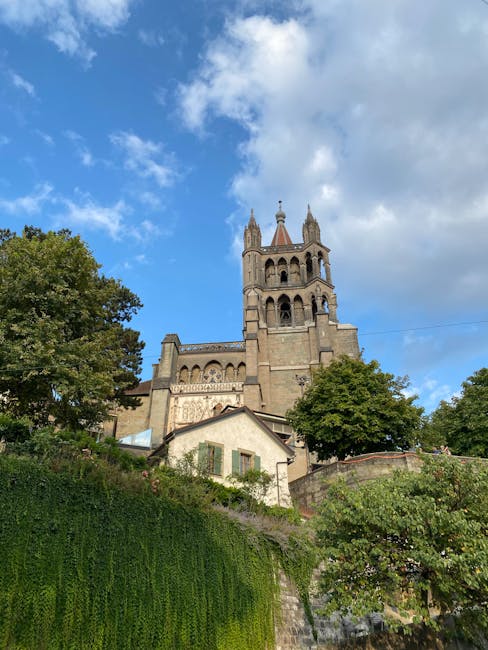
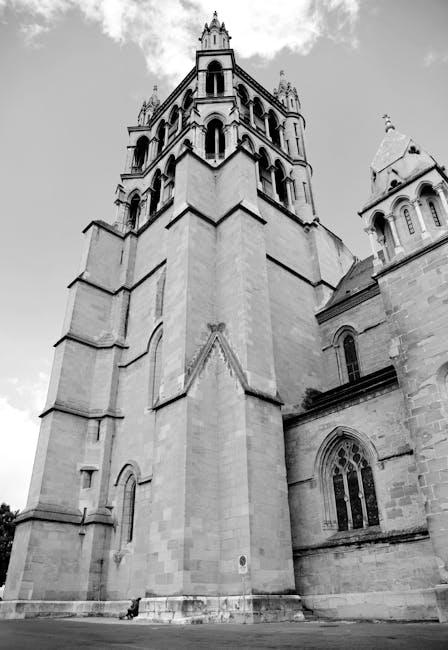
Lausanne Cathedral (Place de la Cathédrale, 1005 Lausanne) sits high on many “must-see” lists. This striking Gothic monument dominates the city and offers lovely lake views. Its popularity, however, brings lines, tour groups and a sometimes superficial experience: quick exterior photos and a fast exit. The interior is beautiful but compact, and contemplative spaces can feel crowded at peak times. Typical hours: roughly 09:00–18:00 daily (times vary with season and services). Admission: suggested donation or a nominal fee; guided tours usually cost around 5–10 EUR depending on the operator. Common complaints: limited multilingual interpretation, tower climb sometimes charged separately and popular viewpoints that fill up fast.
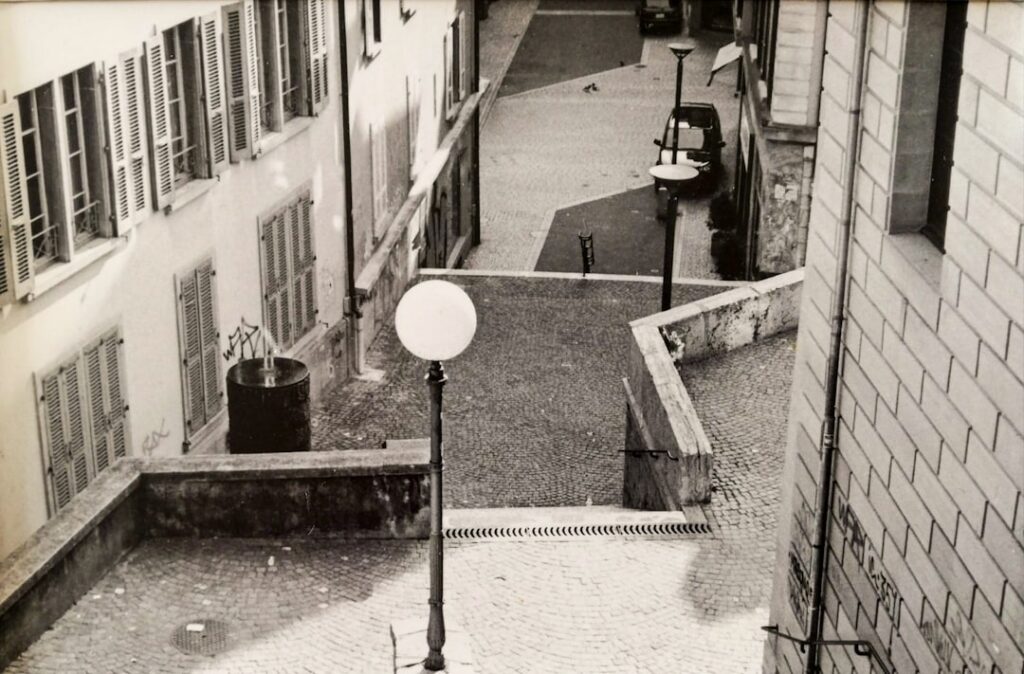
Authentic alternative: Saint-François Church and the Cité neighborhood. Address: Rue de la Cité 2, 1005 Lausanne. Saint-François is humbler, just a short walk away, and offers a peaceful interior plus a calendar of local events (concerts, small exhibitions). Hours: generally 08:00–19:00; free access. Concerts often cost 10–20 EUR. The medieval lanes around the church still feature cobbled alleys, artisan workshops and small bookshops — great for soaking up a historic atmosphere without the tourist pressure.
Another option — a historical walk with a local guide: several tourist offices run themed tours (90–120 minutes). Price: 12–20 EUR per person. Benefit: a local guide contextualizes the history, points out architectural details travelers usually miss and recommends coffee stops run by locals. Tip: for the best crowd-free shot of the cathedral, head to Place de la Palud or visit early weekday mornings.
2) Ouchy Quay and Château d’Ouchy (Place du Port) — Too touristy? Calmer lakeside alternatives
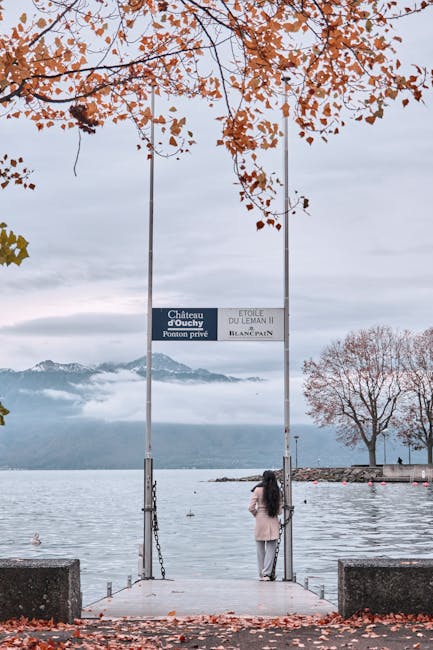
The Ouchy area (Quai d’Ouchy, 1006 Lausanne) is marketed as the essential Lake Geneva promenade. The result: packed cafés, tourist boats and long lines at boarding points. Château d’Ouchy (Place du Port 2, 1006 Lausanne), now a hotel and restaurant (Hôtel Château d’Ouchy, Relais & Châteaux), draws visitors for its terraces and views, but prices can be high and the atmosphere may feel inauthentic if you’re after a peaceful walk. Public areas: the promenade is open 24/7; tourist boat services vary (typically 09:00–17:00 in high season). Tourist boat fares: roughly 10–25 EUR depending on the route.
Authentic alternative: walk to Denantou Park and the Croix-d’Ouchy quay. Denantou Park, address: Avenue du Denantou 15, 1007 Lausanne. This quieter park has large lawns, a small pond and a genuinely local atmosphere — perfect for a picnic. Free entry. Another option: follow the lakeside path toward Vidy and the Roman Museum (if open) — the route is longer, wilder and less commercial. Roman Museum of Lausanne-Vidy (Esplanade des Acacias 5, 1007 Lausanne) — opening times and tickets vary; expect about 5–10 EUR (check ahead).
Tips for enjoying the lake without the crowds: avoid Ouchy’s main quay between 11:00 and 16:00. Take a local shuttle boat (schedules vary) instead of the big tourist cruises. Landings to Pully and Lutry tend to be less crowded. For a lakeside coffee without the line, head to the small terraces in Lutry (about 15–20 minutes by boat/road) where village charm and local produce are preserved. For authentic waterfront dining without the hotel price tag, look for family-run places around the ports of Pully and Morges.
3) Olympic Museum (Quai d’Ouchy 1) — The “must-see” exhibit can underwhelm; deeper thematic alternatives
The Olympic Museum (Quai d’Ouchy 1, 1006 Lausanne) is the official showcase of the International Olympic Committee and draws a steady stream of visitors. The permanent exhibition traces the Games’ history, celebrates athletes and features multimedia displays. The issue: the design leans heavily toward mainstream visitors and photo-friendly installations, which can feel like spectacle without much historical depth. Typical hours: generally 10:00–18:00 (closed some Mondays off-season). Admission: about 15–22 EUR for adults depending on temporary shows (prices vary). History buffs sometimes miss more critical takes on the Games (politics, social change).
Authentic alternative: the Musée de l’Elysée (photography) and the Collection de l’Art Brut. Musée de l’Elysée — address: Avenue du Temple 18, 1005 Lausanne. Focused on photography, it offers high-quality exhibitions and often deeper societal perspectives than purely commemorative pavilions. Hours: 11:00–18:00 (check before visiting). Admission: 8–15 EUR depending on the show. Collection de l’Art Brut — address: Avenue des Bergières 11, 1004 Lausanne. This unique collection gathers outsider art by self-taught creators: an astonishing, moving and usually uncrowded experience. Hours: 10:00–17:00; price: 8–12 EUR.
Another thematic alternative: the Cantonal Museum of Fine Arts (MCBA), address: Place de la Riponne 6, 1005 Lausanne. MCBA hosts well-curated temporary shows that are often more selective and intellectually challenging than mainstream museum narratives. Hours: usually 11:00–18:00; admission: 8–14 EUR. Local tip: pair these visits with coffee at the museum cafés (often quieter and cheaper than the Olympic Museum cafeteria). For sports history fans, look into local lectures or municipal archives — they frequently offer a more critical, historically rich view of sport and society than mainstream museums.
4) The Flon District — Trendy but sometimes too uniform; nightlife and café alternatives with local flavor
Flon (Place du Flon, 1003 Lausanne) is Lausanne’s trendy district: stylish bars, restaurants, clubs and boutiques. While it’s lively, the area can feel homogenized — chain bars with identical concepts, clubs filled with groups, high prices and a curated atmosphere. Travelers seeking authenticity may be disappointed: professional marketing and an Instagram-ready vibe can outweigh local charm. Hours vary by venue; bars typically open 17:00–02:00, clubs 23:00–04:00. Prices: cocktails 10–18 EUR, club cover 10–25 EUR. For a truly local night out, Flon isn’t always the best bet.
Real nightlife and café alternatives:
- Le Bourg — bars and brewpubs around Place de la Palud and Rue du Petit-Chêne (historic center): a more local atmosphere and usually friendlier prices. Example: Café de Grancy, Avenue du Rond-Point 1, 1006 Lausanne — a local favorite with simple food and live music. Hours: 08:00–23:00; dishes 8–18 EUR.
- Vidy neighborhood — for summer evenings, outdoor festivals and guinguettes: relaxed vibes and a mixed local crowd. Occasional events at places like Théâtre de Vidy (Avenue du Théâtre 1, 1007 Lausanne) offer varied programming.
- Wine bars and cellars — spots like La Cave des Vins (locations vary) or small wine bars near Riponne: usually offer local selections and sharing platters for 12–20 EUR.
Practical tips: for a genuinely Lausannais evening, start with an aperitif around 18:00 in a Riponne café, then head to a small bistro on Rue d’Italie or Rue de Bourg. Intimate concerts often happen in converted churches and independent venues; keep an eye on listings from Fondation de l’Hermitage (when they include music), Bleu Lézard or Le Petit Théâtre. To dodge Flon’s crowds and high bills, favor neighborhood bars and lakeside terraces at sunset.
Conclusion — See Lausanne Beyond the Clichés: Practical Tips for a More Authentic Visit
Lausanne offers a rich palette: historic monuments, lakeside scenery, quality museums and lively neighborhoods. This guide aimed to show that an “overrated” site isn’t necessarily worth skipping — it helps to know why it draws crowds and how to plan your visit to get the best out of it. The alternatives suggested here — walks in quieter parks, thematic museums, neighborhood cafés and residential districts — are meant to reconnect you with everyday life in Lausanne. They often offer better interactions, gentler prices (listed in euros for comparison) and a human dimension frequently missing from standardized tourist circuits.
Practical final recommendations:
- Check opening hours online: many museums and cafés change with the seasons.
- Favor early morning or late-afternoon visits to avoid tour groups. Best light on the lake: sunrise and sunset.
- Use public transport: TL (Transports Lausannois) and CGN boats serve the area well; a short urban trip typically costs 2–4 EUR (varies by zone).
- Try local products: cheese shops, markets (e.g. Riponne market on some mornings) and small grocers offer authentic culinary experiences for about 5–20 EUR per meal depending on choices.
- Talk to locals: people in Lausanne are often happy to recommend a little-known café, a scenic walk or an intimate cultural event.
In short, to turn a “tourist” visit into a personal and memorable experience, mix a few must-see stops (timed to avoid peak crowds) with the alternative spots listed here. You’ll leave with more than pictures — you’ll take home the memory of a lively, friendly and multifaceted Lausanne.