





Introduction — Everything You Need to Know About Getting Around Lausanne
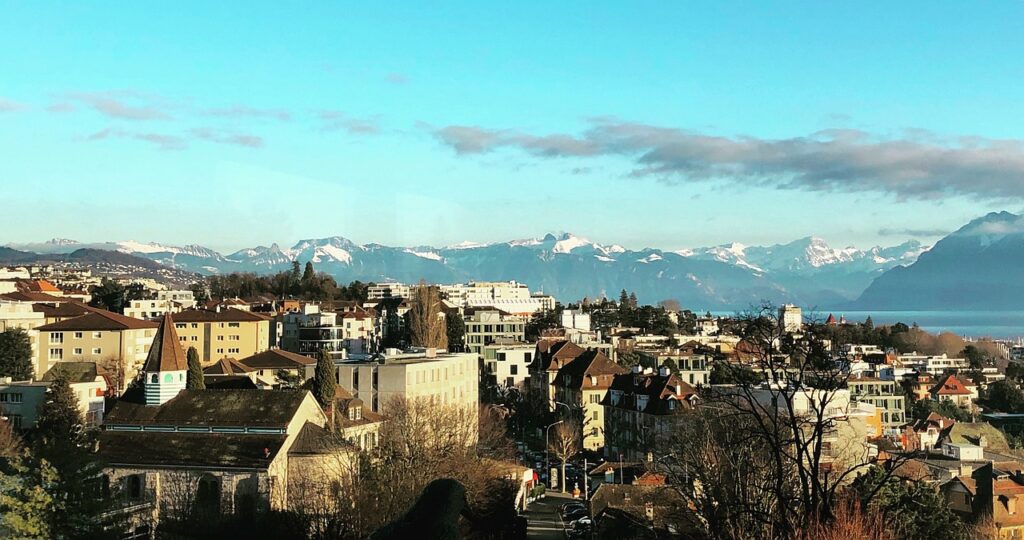
Perched on the northern shores of Lake Geneva and topped by a terraced old town, Lausanne is a city whose energy relies on a dense, reliable public transport network. Knowing your mobility options in Lausanne — metro, buses, bikes — is essential for any visitor, new resident, or short-term worker who wants to get around efficiently, affordably and sustainably. This practical, detailed guide walks you through Lausanne’s transport options: schedules, addresses, fares in euros, insider tips and immersive descriptions to help you navigate the city fast.
Public transport in Lausanne is run mainly by Transports publics de la région Lausannoise (tl) and the regional fare network Mobilis. The M2 metro — the first fully automated metro line in French-speaking Switzerland — climbs from the lakeshore up to the university plateau, solving the city’s vertical challenge. Bus lines fill in neighbourhood coverage, linking residential areas, hospitals, university campuses and railway stations. And cycling — whether your own bike, a shared ride or a rental — has become a go-to option for short hops, lakeside cruises and quick trips in the central zone.
This guide is both practical and immersive: you’ll find exact addresses (stations, rental points), typical schedules (operating hours and frequencies), prices in euros (with CHF equivalents where useful), plus local tips to optimise your routes. Whether you’re planning a tourist stay, moving in, or commuting for work, the info below will help you pick the right transport mode, avoid common pitfalls (night services, works, fare zones) and enjoy a safe, pleasant experience in a city where elevation and views are part of the journey.
The Metro in Lausanne: Lines, Key Stations and How It Works
Lausanne’s metro system mainly consists of two lines: M1 (light metro linking the train station to Renens) and M2 (a fast, fully automated line running from Ouchy to the northern part of the city). The M2 is the backbone for tackling Lausanne’s steep slopes quickly and safely. It offers a dramatic ride that starts at the lakeshore in Ouchy and climbs to the Croisettes terminus, stopping at central hubs like Lausanne-Flon and Gare de Lausanne. Here are the essentials:
The M2 Line — route and major stations
- Ouchy–Olympique — Quai d’Ouchy 1, 1006 Lausanne. Access point to Lake Geneva, close to the Olympic Museum (Quai d’Ouchy 1). Hours: roughly 05:00–00:30 on weekdays, frequency 3–7 minutes at peak times, 6–12 minutes off-peak. Indicative fare: single Mobilis zone ticket (city of Lausanne) about €2.70 (≈ 2.90 CHF).
- Lausanne-Flon — Place du Flon 2, 1003 Lausanne. A multimodal hub where buses, the metro and underground shops meet. Very popular for shopping and nightlife. Hours: same span as M2. High frequency — as little as 3–4 minutes at peak times.
- Gare de Lausanne — Place de la Gare 1, 1003 Lausanne. Direct connection to national trains. Main arrival point for international services (from Geneva, Zurich, Bern). Direct access to platforms and SBB services. Station serves all platforms.
- CHUV — Rue du Bugnon 21, 1011 Lausanne. Serves the Centre Hospitalier Universitaire Vaudois; essential for hospital staff and visitors. Timetables and frequency reflect hospital flows, with strong service early morning and in the evening.
- Croisettes — northern terminus of the M2, located in the northeast of Lausanne, serving residential areas and the start of intercity bus routes.
M1 is a shorter tram/light-metro line running roughly east–west, handy for reaching university campuses (UNIL/EPFL via connections). Main stops include Lausanne-Gare, UNIL-Dorigny (close to the university) and Renens (regional interchange station).
Operation, accessibility and onboard services
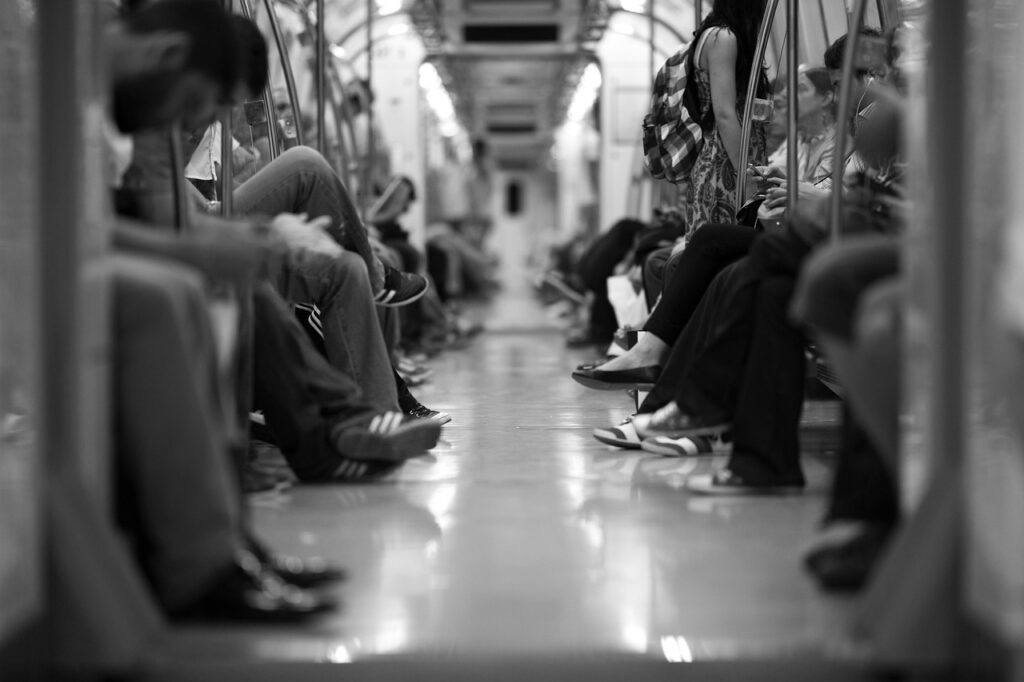
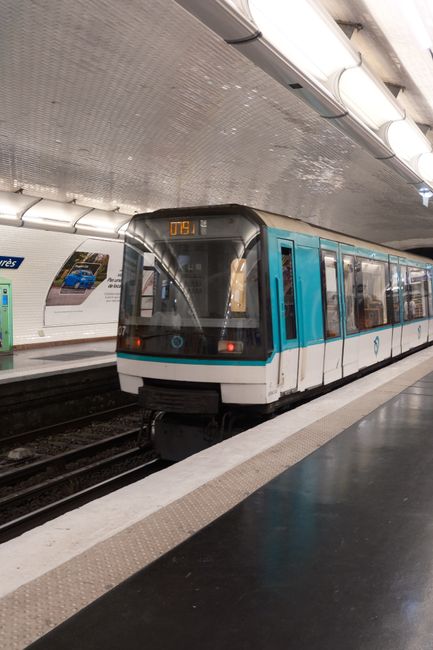
The Lausanne metro is modern, fully accessible (lifts and ramps), climate-controlled and offers space for bikes and strollers. Ticket machines and power outlets are commonly available at major stations like Gare de Lausanne and Flon. Tickets can be bought from station vending machines, the tl/Mobilis app or SBB counters.
Local tips: avoid peak hours (07:30–09:00 and 16:30–18:30) when carrying large luggage; board at Ouchy if you want the clearest, most photogenic view of the lake before the climb. For visitors, note that M2 is the quickest way to reach the Olympic Museum (Quai d’Ouchy 1) and the lakeside promenades.
The tl Bus Network: Lines, Connections and Detailed Schedules
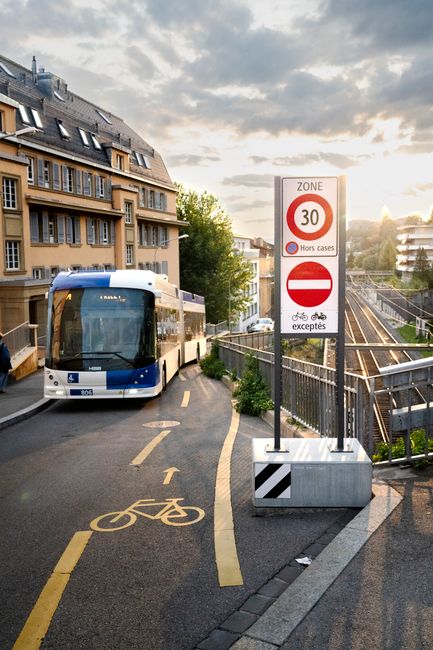
Transports publics de la région Lausannoise (tl) run an extensive bus network that complements the metro, serving residential hills, outer neighbourhoods and night links. tl operates over 40 regular routes, with key interchanges at Gare de Lausanne (Place de la Gare 1), Flon (Place du Flon 2) and Lausanne-Vieux-Moulin depending on the area. Here’s a practical overview to help you navigate.
Key lines and destinations
- Line 1 (Gare – St-Sulpice): serves the city centre and waterfront; daytime frequency: 10–20 minutes.
- Line 8 (Gare – Ouchy): an alternative to M2 on some sections, useful during metro works; frequency: 10–15 minutes.
- Line 21 (Gare – Epalinges): serves higher-altitude neighbourhoods and peripheral campuses; reduced service in the evening.
- Night lines (N1, N2…): weekend night service roughly 01:00–05:00 on main corridors; check the night map on the official tl site or app.
General hours: buses generally start around 05:00 on main routes and finish between 00:00 and 01:30 on daytime lines. Night services focus on Friday and Saturday nights. Frequencies vary widely: 5–10 minutes on central corridors at peak times, 20–40 minutes on suburban lines or late nights.
Tickets, zones and prices (in euros)
Lausanne uses the regional Mobilis fare system based on zones. For travel within the city centre (the main Lausanne zone), a single ticket typically costs about €3.00 (≈ 3.20 CHF) for a one-hour trip covering one or multiple connections within the same zone. Typical indicative fares:
- Single ticket (1 hour, urban zone): ~€3.00 (≈ 3.20 CHF).
- Day ticket (Lausanne zone): ~€8.00–€10.00 depending on number of zones (≈ 8.50–11.00 CHF).
- Mobilis monthly pass: varies by zones; city-only pass (zone 11 Lausanne) around €40–€60/month (≈ 42–63 CHF).
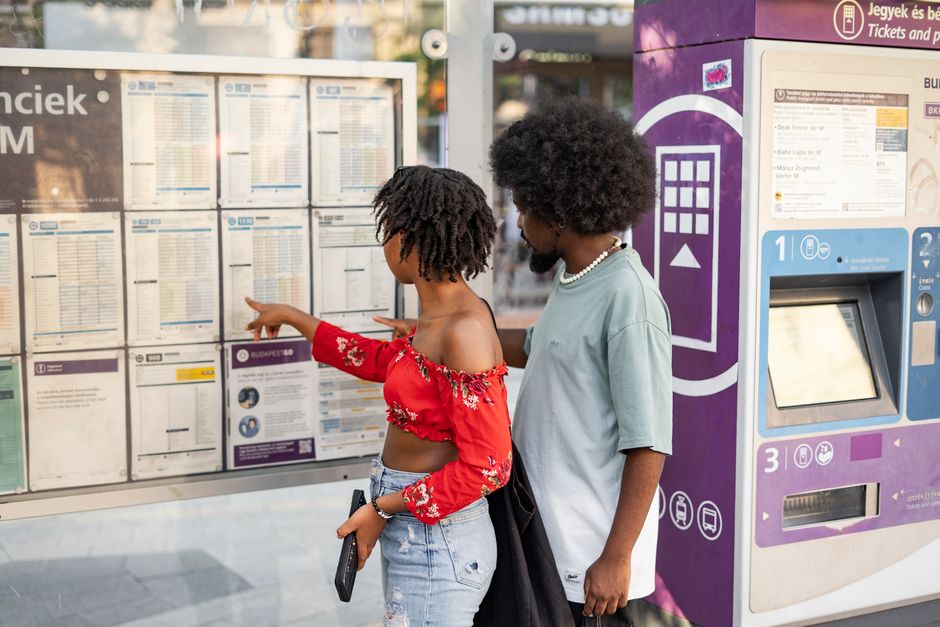
Tickets are available from station vending machines, tl counters, or via the « tl » or « Mobilis » apps. Labels are bilingual (FR/DE/EN) and clear. Remember to validate your ticket where required (validation machines can be found in some buses or near metro access points).
Practical tips for using the bus
- Use the tl app for real-time timetables, disruptions and door-to-door routing.
- During peak hours, buses heading up to higher residential neighbourhoods can get crowded; aim for earlier departures in the morning.
- For interurban transfers (e.g. to Vevey, Morges), check combined train+bus connections to save time and make the most of Mobilis tickets.
- At major stops (Place de la Gare, Flon), look for electronic panels showing next departures and platform info.
Getting Around Lausanne by Bike: Rentals, Bike Lanes and Tips
Cycling in Lausanne is both rewarding and challenging: the terrain alternates steep climbs and fast descents, but lake views and riverside routes make the effort worthwhile. Bikes are ideal for short trips and leisure rides — as long as you plan for the hills and pick the right gear. Here’s everything to know about renting, borrowing and cycling in Lausanne.
Rental options and public stations
Cyclists have several options:
- PubliBike (national bike-share) — stations at Gare de Lausanne (Place de la Gare 1), Ouchy (Quai d’Ouchy 1) and Flon (Place du Flon 2). Indicative pricing: €0.80–€1.50 for 30 minutes depending on subscription (≈ 0.85–1.60 CHF). Sign up via the PubliBike app or SBB Mobile.
- Local rental shops: « Lausanne Bike Rental » (rue de Genève 12, 1003 Lausanne) offers city bikes, hybrid bikes and e-bikes. Typical prices: €12–€18/day for hybrids, €25–€40/day for electric-assist bikes (≈ 13–19 CHF / 27–43 CHF).
- Private services and guided tours: several operators run lake-area and Lavaux vineyard bike tours; prices range €40–€90 per person for half- to full-day tours depending on inclusions (≈ 43–97 CHF).
PubliBike stations are often located at major tourist spots: Gare de Lausanne (Place de la Gare 1), Quai d’Ouchy (Quai d’Ouchy 1) and Pully Centre (Route de Lausanne 50). Check availability in the app before heading out.
Cycle lanes, safety and recommended gear
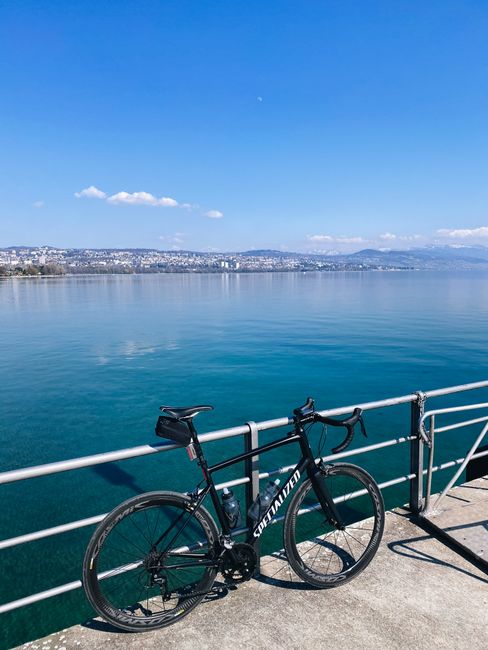
Lausanne has continuous cycle lanes in the centre and marked routes to the lake and hills. Still, lanes alternate between segregated paths, painted bike lanes and shared stretches with traffic. Recommendations:
- Wear a helmet (highly recommended), gloves and lights (front/rear lights are mandatory at night).
- If you’re not used to steep hills, choose an electric-assist bike (e-bike); it makes climbs much more comfortable.
- Respect pedestrian priority in walking areas (Flon, Rue de Bourg) and slow down on blind descents.
- Always lock your bike with a strong lock when parking — PubliBike stations include integrated locking solutions.
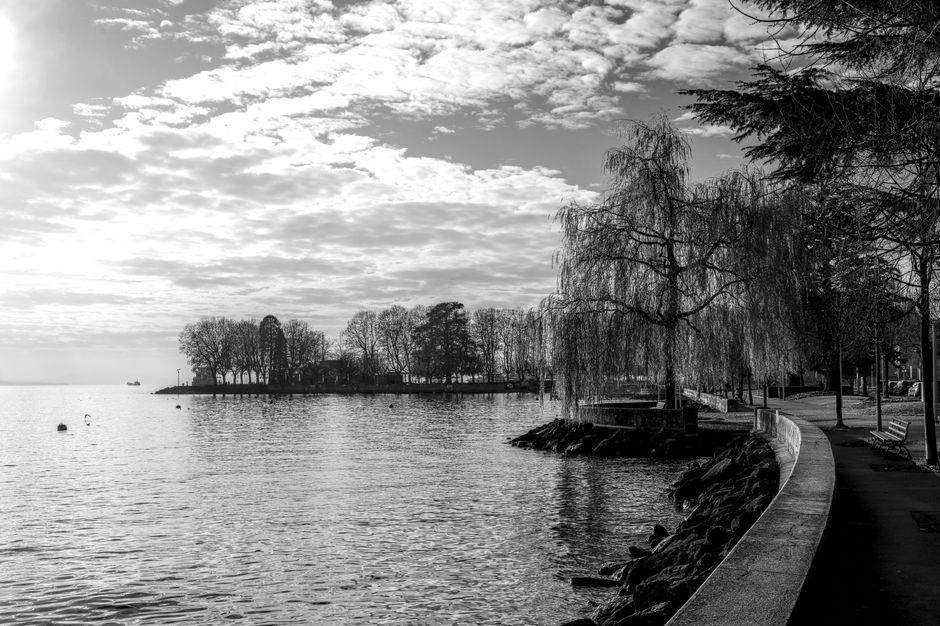
Local tip: for a scenic ride, start at Quai d’Ouchy (Quai d’Ouchy 1), head up towards Place de la Navigation, then follow the lakeside path towards Pully for Alpine views on clear days.
Fares, Subscriptions and Money-Saving Tips
Getting around Lausanne can be economical if you understand the fare system and pick the right pass. Prices shown in euros below are indicative and rounded for easier conversion. The local currency is the Swiss franc (CHF) and many real prices are displayed in CHF; exchange fluctuations can slightly change euro equivalents.
Main fare options
- Single ticket (valid 1 hour with one or multiple connections in the same zone): ~€3.00 (≈ 3.20 CHF).
- Day ticket (1–2 zones): ~€8.00–€12.00 (≈ 8.50–12.80 CHF) depending on zones covered.
- Mobilis monthly pass (zone 11 Lausanne): roughly €45–€60/month (≈ 48–64 CHF).
- Swiss Travel Pass: if you’re a tourist, the Swiss Travel Pass (SBB) gives unlimited travel on trains, many buses and some city services depending on conditions; price varies by duration (for example, 3 days ≈ €200–€250 depending on season).
Money-saving tips:
- Buy a day ticket if you plan more than four short trips in a day — it’s usually cheaper than multiple single tickets.
- For longer stays, look into monthly Mobilis passes or half-fare cards if you combine trains and buses around the region.
- Use the official apps (tl, Mobilis, SBB) to catch limited-time offers, works alerts and live pricing.
- Families and groups may get special deals on certain days; ask at the Gare de Lausanne ticket desk (Place de la Gare 1).
Conclusion — Final Tips and Best Practices for Getting Around Lausanne
Lausanne combines high-quality service with a range of transport choices that suit everyone: hurried travelers, daily commuters, families and sightseers chasing viewpoints. The M2 metro remains the fastest way to conquer the slope between Ouchy and the plateau, while tl buses provide fine-grained coverage and night links. Cycling offers freedom and a memorable sensory experience, provided you face the topography with the right equipment.
Before you travel, check timetables and disruption notices on the tl app or the Mobilis website, especially during frequent local works and events (marathons, local festivals) that can change routes and frequencies. For international visitors, a Swiss Travel Pass might be worthwhile if you combine regional train travel with city transport. For residents or longer stays, a Mobilis pass for the necessary zones is almost essential to keep daily costs down.
Finally, adopt a few habits: travel outside peak hours where possible, choose an e-bike for hills if you plan lots of cycling, and memorise key stations — Gare de Lausanne (Place de la Gare 1), Lausanne-Flon (Place du Flon 2) and Ouchy–Olympique (Quai d’Ouchy 1) — to streamline connections. Lausanne is a city to be discovered in motion: every metro climb or downhill bike ride can reveal spectacular views over Lake Geneva and the Alps. Safe travels and enjoy exploring a city where mobility meets panorama.