





Introduction: Staying Safe and Polite in Lausanne (Essential Guide)
Lausanne, a gem on the northern shore of Lake Geneva, blends alpine scenery, a lively urban center and a rich cultural heritage. A university city and the headquarters of the International Olympic Committee, Lausanne draws tourists, students and professionals alike. This guide is written for any visitor who wants to explore Lausanne safely and respectfully: it covers practical rules, recommended behaviors, must-know places and concrete tips to avoid misunderstandings. You’ll find exact addresses, typical opening hours, indicative prices in euros, immersive descriptions and local tips to make the most of your stay.
Lausanne is orderly, clean and generally safe, but as in any major European city it’s wise to stay alert — especially in touristy areas and around public transport hubs. Swiss public services are informative and efficient: local police (Cantonal Police of Vaud) and municipal services speak French and English. Polite behavior (punctuality, keeping noise levels down, sorting waste) is much appreciated by locals. This guide goes beyond a list of rules: it explains how to interact in real situations (at restaurants, markets, on public transport), what to wear depending on the setting, which payment methods to favor and how to handle a medical or administrative emergency.
We’ve included landmark locations with precise addresses and usual opening hours to help you plan your days: Lausanne Cathedral (Place de la Cathédrale, 1005 Lausanne), the Olympic Museum (Quai d’Ouchy 1, 1006 Lausanne), the Collection de l’Art Brut (Avenue des Bergières 11, 1004 Lausanne) and the central train station (Gare de Lausanne, Place de la Gare 6, 1003 Lausanne). Prices are shown in euros for readability; remember that the local currency is the Swiss franc (CHF) and exchange rates can fluctuate — euro amounts here are approximations based on recent average rates. Hours are indicative and may change with the season: always check official sites before you go.
General Safety: Prevention, Emergencies and Important Numbers
Lausanne is known for being safe, but it’s important to know basic emergency procedures and best practices to prevent incidents. Emergency numbers to memorize: Police (Cantonal Police of Vaud): 117, Ambulance/Medical Emergency: 144, Fire Brigade: 118. For non-urgent assistance in the city, the Lausanne Municipal Police (Service de la police municipale) is located at Quai Ernest-Ansermet 2, 1003 Lausanne (phone: +41 21 321 02 02). If you lose documents or experience theft, go to the central station (Gare de Lausanne, Place de la Gare 6, 1003 Lausanne) where traveler assistance services and luggage lockers are available.
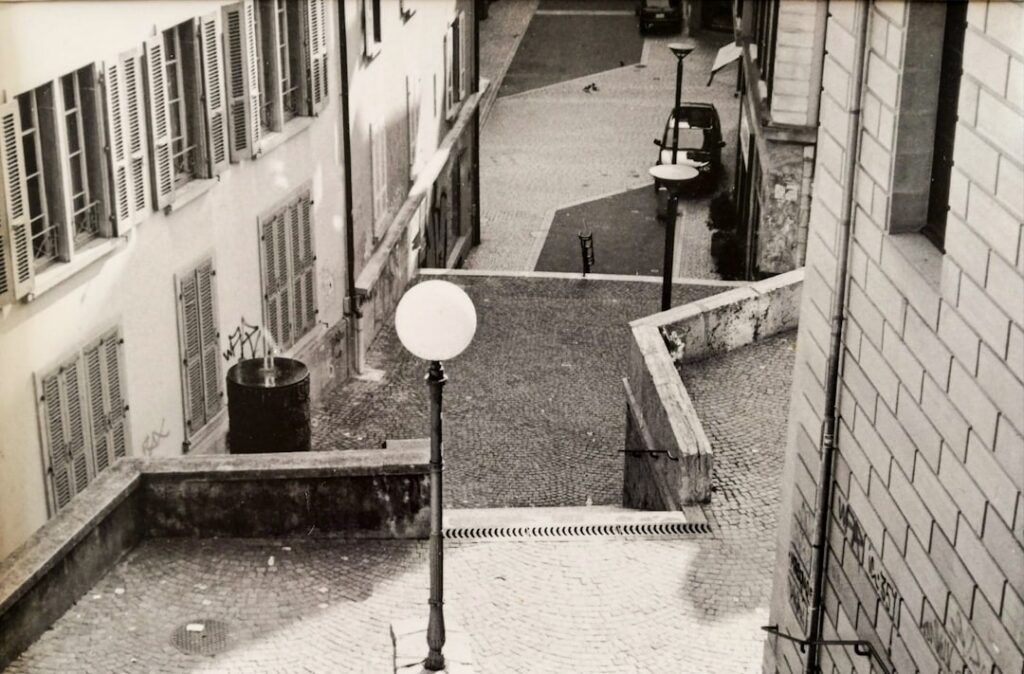
Basic prevention: avoid displaying expensive jewelry or large wads of cash in busy tourist spots (Ouchy, Place de la Palud, Flon). Keep your wallet and phone in an inner pocket or a securely closed bag; when out at night, wear backpacks or bags across the front. Lausanne is well-lit at night, but some steep streets (notably around the Cathedral and the Flon district) can be slippery in winter — non-slip shoes are recommended from November to March.
Insurance and healthcare: taking out travel insurance that covers repatriation and medical care is strongly recommended. Main healthcare facilities include the University Hospital of Lausanne (Centre Hospitalier Universitaire Vaudois — CHUV) at Rue du Bugnon 46, 1011 Lausanne (24-hour reception; phone: +41 21 314 11 11) and Hôpital de l’Echauguette (pediatric emergency availability varies by season). On-call pharmacies are listed on the City of Lausanne website, and near the Gare de Lausanne you’ll find the Pharmacie Centrale, Rue du Simplon 1, 1003 Lausanne (hours vary).
Money and cards: while most businesses accept Visa and Mastercard, some small shops and farmers’ markets take cash only (Swiss francs). ATMs are available at Gare de Lausanne and Ouchy; to reduce fees, consider withdrawing larger sums at once if needed. Indicative prices in euros (approximations): takeaway coffee 2.50–3.50 €, a brasserie meal 15–25 €, museum entry 10–20 €; always check whether prices are listed in CHF or EUR.
Getting Around & Travel Etiquette: Trams, Trains, Bikes and Walking
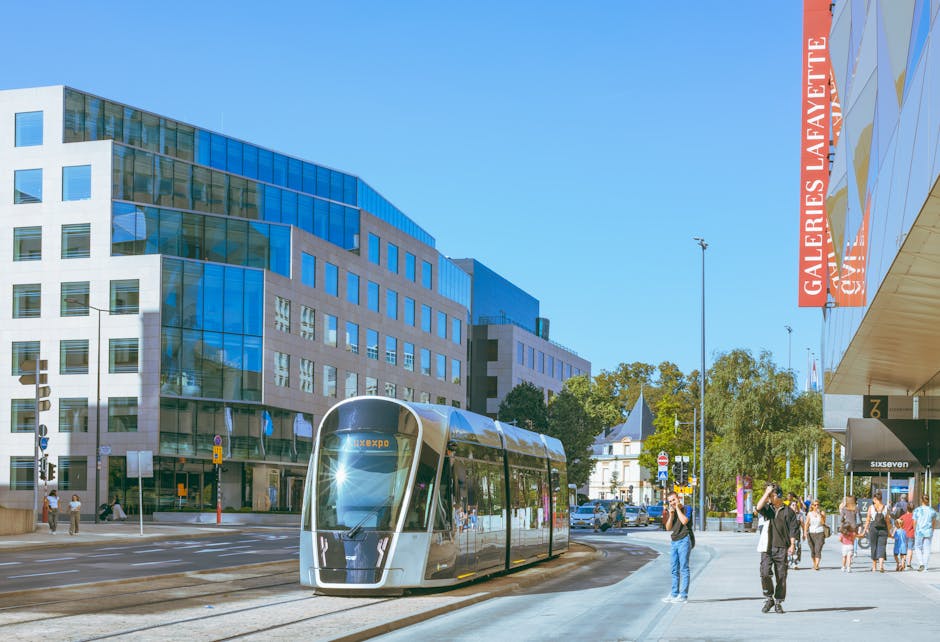
Lausanne’s public transport network (tl — Transports publics de la région Lausannoise) is dense, reliable and punctual. Gare de Lausanne (Place de la Gare 6, 1003 Lausanne) is the main rail hub and is served by Swiss Federal Railways (CFF/SBB). Trams and buses cover the whole city; tickets can be bought via the tl app, from station machines, or at ticket counters. Example fares (approx. in euros): single ticket 2.50 € (around 3 CHF), 24-hour ticket 6–10 € depending on zones, and the Lausanne Transport Card is usually included if you stay at a partner hotel (ask at reception). Typical hours: trams and buses generally run from about 05:00 to 00:30, with limited night services on weekends.
Etiquette tips: validate your ticket before boarding (frequent checks and hefty fines if you don’t). Let passengers get off before you get on trams, and give up seats to the elderly, pregnant people and those with children. Out of respect, avoid loud phone conversations on board and keep headphone volume low.
Bikes and micromobility: Lausanne is hilly; e-bikes have become very popular. Rental services (Publibike and e-scooters) are widely available. When cycling, use bike lanes, obey traffic lights and wear a helmet. Park bikes in designated areas — commonly found around Gare de Lausanne and the Ouchy quay — to avoid fines. On foot: Lausanne is best explored on foot, but watch out for steps and steep slopes; allow 1–2 hours for a stroll from Flon to Ouchy via Rue de Bourg with stops along the way.
Lake transport: CGN boats (Compagnie Générale de Navigation) depart from Quai d’Ouchy (Quai d’Ouchy, 1006 Lausanne). Schedules vary by season; a one-way ticket Lausanne–Montreux is about 10–20 € depending on season and destination. On board, respect queues, don’t block access points and never throw rubbish into the water.
Behavior, Dining and Accommodation: Lausanne’s Golden Rules
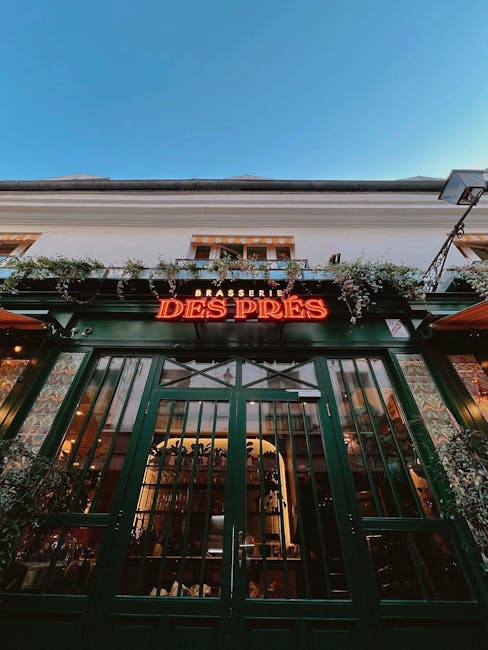
Lausanne values quiet politeness and high standards. At restaurants, reservations are often recommended, especially at popular places. Example: Brasserie de Montbenon, Allée Ernest-Ansermet 3, 1003 Lausanne (open 08:00–23:00, mains 12–35 €, card payments accepted). For local specialties, try fondue or raclette at places like Café Romand (Place de la Palud 12, 1003 Lausanne — open 08:00–22:00, mains 18–30 €). For luxury stays, the Lausanne Palace (Rue du Grand-Chêne 7-9, 1002 Lausanne) offers 24-hour service and concierge (rooms from around 200 € per night, season-dependent).
Table manners: wait until everyone is served before you start when sharing a dish; don’t stick your cutlery upright in your plate (considered rude), and lay them parallel when you’re finished. Tipping isn’t mandatory since service is often included; leaving 5–10% for excellent service or rounding the bill up is appreciated. Hotel staff and hosts will value a polite greeting in French: “Bonjour”, “Merci”, “S’il vous plaît” — these simple phrases go a long way.
Accommodation: bring valid ID and a payment card when checking in. Check whether there’s a safe in the room or at reception to store passports and valuables. If you rent an apartment through a platform, follow building rules (quiet hours at night, waste sorting — see below). Typical check-in/check-out times: check-in from 14:00, check-out before 11:00; times may vary by property.
Waste sorting and the environment: Lausanne takes waste separation seriously. Visitors should respect recycling rules (organic waste, glass, plastic, paper). Instructions are usually posted in buildings and hotels. Also, avoid smoking in enclosed public places: many bars and restaurants are non-smoking. To support local sustainability, favor local shops and farmers’ markets (Marché de la Riponne, Place de la Riponne — seasonal produce and variable prices).
Key Areas, Sightseeing and Practical Tips to Enjoy Lausanne Worry-Free
Main tourist neighborhoods — Ouchy, the Flon, the Old Town (Place de la Palud, Rue Saint-François) and Lausanne Cathedral (Place de la Cathédrale, 1005 Lausanne) — are safe but very busy. In Ouchy, the lakeside promenade offers stunning views of the Alps; enjoy the gardens and quays while keeping an eye on your belongings in crowded spots. The Olympic Museum (Quai d’Ouchy 1, 1006 Lausanne) is typically open 10:00–18:00 (closed some Mondays; entrance around 14 €), so check temporary exhibitions on the official site.
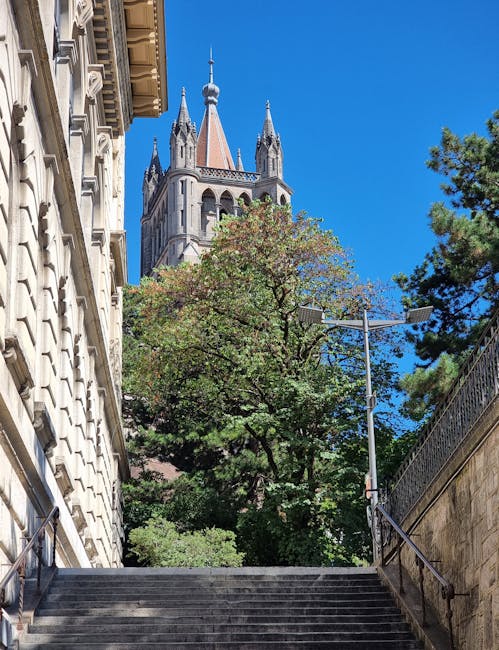
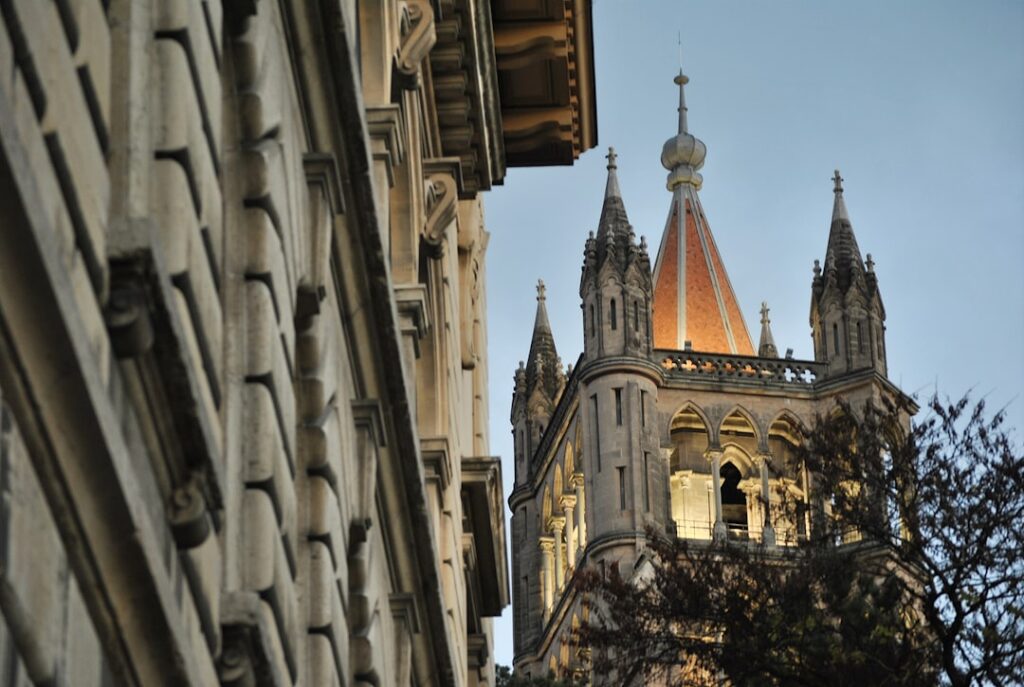
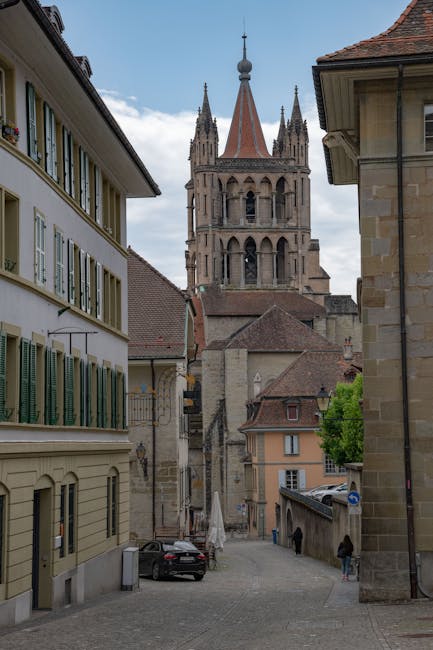
The Old Town is perfect for wandering: don’t miss Place de la Palud (with its medieval clock), Rue de Bourg for shopping, and the Cathedral for panoramic views over the city. Cathedral hours: usually 09:00–17:00 (seasonal variations), and tower visits are possible for about 6–8 €. Dress respectfully if you attend a religious service.
The Flon, once an industrial area turned vibrant nightlife and cultural hub, is packed with bars, restaurants and galleries. Nightlife can attract crowds — keep valuables close and plan your return via an official taxi or nighttime bus lines. For souvenirs, favor shops on Rue de Bourg and the Riponne market for handcrafted items. Indicative souvenir prices: 5–50 € depending on the object.
Final tips: always tell someone if you’re heading out on longer hikes (e.g., the climb to Signal de Sauvabelin for panoramic views) and carry a small first-aid kit. For official, up-to-date info, consult the City of Lausanne website (www.lausanne.ch) and the Lausanne public transport site (www.t-l.ch). By following these simple safety and etiquette pointers, your stay in Lausanne will be safer and far more enjoyable.
Conclusion: Travel to Lausanne with Confidence and Respect
Lausanne is a city where mutual respect, punctuality and attention to detail are part of everyday life. This guide has given you practical information: emergency numbers, precise addresses (Gare de Lausanne, Place de la Gare 6, 1003 Lausanne; Olympic Museum, Quai d’Ouchy 1, 1006 Lausanne; Collection de l’Art Brut, Avenue des Bergières 11, 1004 Lausanne; Lausanne Cathedral, Place de la Cathédrale, 1005 Lausanne), usual hours, approximate euro prices and behavioral recommendations. Keep these reference points in mind and you can explore the city with peace of mind — from Ouchy’s port to the cobbled lanes of the Old Town, visiting museums and lively terraces.
Remember the local currency is the Swiss franc (CHF): euro prices listed are approximate conversions for convenience. Before you travel, always double-check hours and prices on official sites and, if in doubt, ask your hotel reception — staff are generally helpful and speak English. Finally, adopt Lausanne’s habits: sort waste, respect public spaces and be courteous on public transport — small gestures that make a big difference to the local experience.
By following these safety and etiquette recommendations, you’ll turn your visit to Lausanne into a calm, respectful and memorable trip — leaving with lasting positive memories: lakeside panoramas, delicious food, historic streets and warm welcomes. Safe travels and enjoy Lausanne to the fullest.