




Introduction — History and Modern Pitfalls: Visiting Lausanne Without Getting Ripped Off
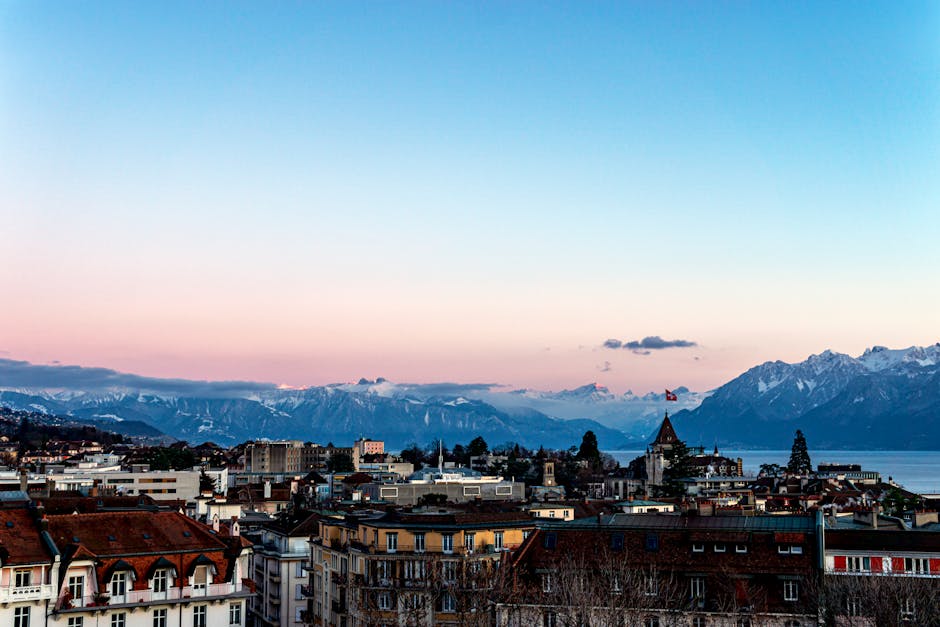
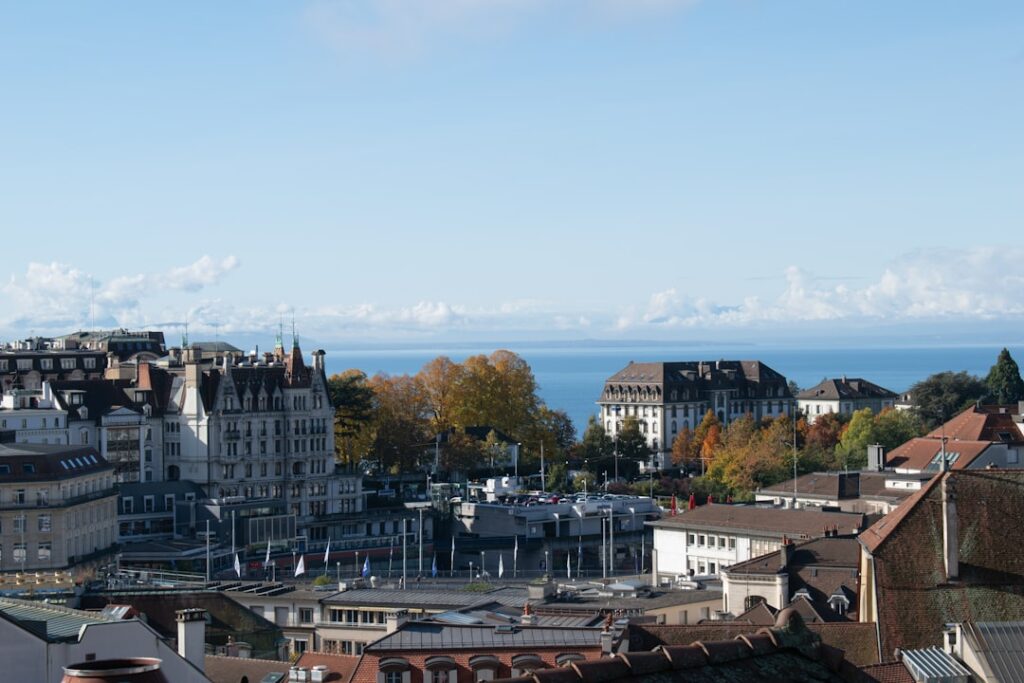
Perched on the steep shores of Lake Geneva, Lausanne blends medieval history, international institutions and a very contemporary urban life. As the capital of the canton of Vaud, it offers cobbled lanes, a dominating Gothic cathedral and world-class museums — alongside modern neighborhoods like Le Flon, trendy cafés and a demanding food scene. For the savvy traveler, Lausanne is a delight to discover; for the inattentive visitor, it hides a few practical traps (prices, transport, tourist services) that can quickly weigh down the experience. This guide gives you a balanced take: historical context, exact addresses, approximate prices in euros, opening hours, vivid descriptions and local tips to avoid getting fleeced.
The medieval center around the Lausanne Cathedral (Place de la Cathédrale, 1005 Lausanne) recalls the city’s golden age with its gargoyles, organ and crypt. A short walk away, the Palais de Rumine (Place de la Riponne 6, 1005 Lausanne) houses natural history, archaeology and fine arts museums; it’s a cultural landmark not to be missed. Lower down, the lakeside and the Ouchy district (Quai d’Ouchy, 1006 Lausanne) offer promenades, marinas and the Olympic Museum (Quai d’Ouchy 1, 1006 Lausanne), a key site for understanding the history of modern sport.
That said, visitors should stay alert: prices shown in some tourist restaurants can be surprising, taxis and transfers from the airport can cost two to three times more than public transport, and a few hawkers near tourist zones sell low-quality “souvenirs.” Here we give not only addresses and opening times but also indicative prices in euros (approximate conversions from Swiss francs at current rates) so you can plan without unpleasant surprises.
Finally, Lausanne isn’t just a postcard — it’s a living city whose residents like to share practical advice. We’ll explain how to buy a local transport ticket (Mobilis/Transports publics lausannois), where to find good local food at fair prices, which visits are really worth your time, and how to spot the most common scams (so‑called “special” excursions, fake guides, taxi overcharging). Hours and prices are given as guidance; check updates before you travel. This guide will help you enjoy Lausanne — its history, views and modern edge — while avoiding common mistakes.
1) Getting Your Bearings and Getting Around: Practical Tips, Transport and Pitfalls to Avoid
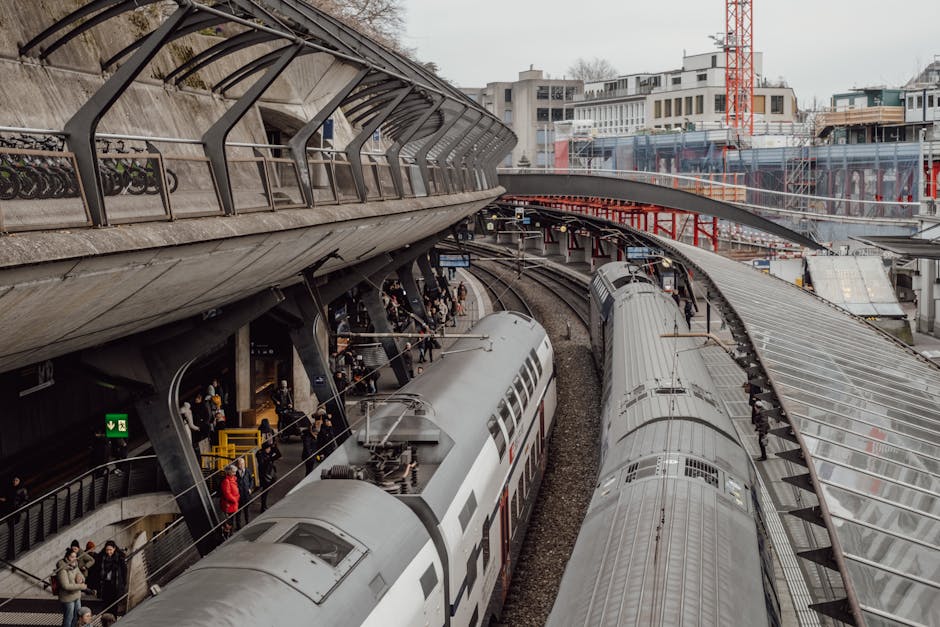
Finding your way around Lausanne is fairly straightforward once you understand the topography: the city is built on terraces from the historic center down to the lakeshore. The transport hub is the Lausanne Train Station (Place de la Gare 9, 1003 Lausanne), the main railway gateway. You’ll quickly notice how important the funiculars and buses are for connecting the station with the upper neighborhoods. The Transports publics lausannois (TL) network serves the city; a single ticket costs roughly €3.70 (indicative price for an adult urban single ticket). For a full day of heavy use, choose a Mobilis day pass (zones depend on your itinerary): expect around €6.50–9.50 depending on zones.
Hours: TL buses and metros generally run from 05:00 to 00:30 on weekdays; the M2 metro runs all day with frequent departures (every 6–10 minutes at peak times). The Lausanne–Ouchy funicular (accessible from the station via the M2 line) takes you quickly down to the lake and accepts the same TL tickets. Stations have multilingual ticket machines (English/French) where you can buy single tickets and day passes.
Common traps: avoid unbooked taxi transfers right after you arrive at the station or airport (Geneva Airport Genève-Cointrin) or you may pay €70–120 for a ride that costs about €20–40 by regional train + metro/bus. If you must take a taxi, ask the driver to use the meter and check estimated fares through an app like « Taxi Lausanne » or « Uber » (Uber isn’t ubiquitous in Switzerland). Also be wary of people offering to carry your luggage unsolicited; ask a clear price up front (an unauthorized porter may demand €10–20 for a service that should be free at a hotel).
Local tips: get a Mobilis card suited to your stay or use the « tl app » to buy tickets in advance. If you plan multiple trips in the region (Montreux, Vevey), a Mobilis day network pass (zones 11–19) for about €10–16 can be more economical. For strolling, stick to walking routes in the old town and around the Esplanade de Montbenon — those areas reveal the real side of Lausanne without extra cost.
2) Cultural Essentials: Museums, Monuments and Price Recommendations
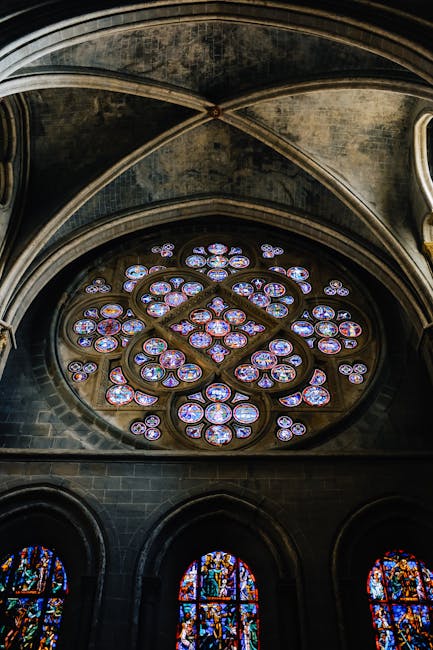
Lausanne is full of museums and historic sites that are worth visiting with a bit of planning so you don’t waste time or money. The religious jewel is the Lausanne Cathedral (Place de la Cathédrale, 1005 Lausanne). Opening hours: 09:00–18:00 (seasonal variations). Admission to the cathedral itself is free; access to the tower for panoramic views costs about 6,00 €</strong) and is well worth the climb for a view over the old town and the lake.
For history and fine arts, the Palais de Rumine (Place de la Riponne 6, 1005 Lausanne) houses several collections: the cantonal geology museum, archaeology and fine arts. Hours: generally 10:00–17:00, with some exhibits closed on Mondays. Admission: permanent collections are often free, temporary exhibitions €5–12. Another major stop is the Olympic Museum (Quai d’Ouchy 1, 1006 Lausanne), dedicated to Olympic history and archives. Hours: 09:30–18:00 (season dependent). Prices: adults around €15.00, reduced around €10.00.
If you’re into contemporary and outsider art, the Collection de l’Art Brut (Avenue des Bergières 11, 1004 Lausanne) displays self-taught and marginal art; hours 11:00–18:00, closed Monday. Price: adults about €12.00. For photography, the Musée de l’Élysée (Avenue de l’Élysée 18, 1006 Lausanne) is a benchmark; hours 10:00–18:00, adult admission €10–14 depending on the exhibition.
Cultural traps: « guided tours » offered in the street by people not affiliated with a tourist office can be expensive and low on substance. Prefer tours organized by the Lausanne Tourist Office (Place de la Palud 2, 1003 Lausanne) or book through reputable platforms. Even better, look for free or reduced-entry days: several museums take part in « Museums Festival » events or open for free on certain Sundays.
Local advice: arrive early at popular museums (Olympic Museum, Collection de l’Art Brut) to avoid crowds and make use of audioguides (often included) for a quality self-guided tour. If you plan to visit multiple museums, check for combined museum passes or discounts for youth/students. Don’t forget to walk up to the Esplanade de Montbenon (Esplanade de Montbenon 1, 1003 Lausanne) for a free viewpoint over the lake and city — it’s a local favorite.
3) Eating, Drinking and Shopping: Where to Spend (or Save) Smartly
Lausanne’s food scene ranges from traditional bistros to Michelin-starred restaurants. Knowing where to go helps you avoid overpriced tourist menus. For classic brasserie fare with good value, try the Brasserie de Montbenon (Esplanade de Montbenon 1, 1003 Lausanne): mains roughly €15–28. Hours: 11:30–23:00 depending on service. To try Swiss specialties (fondue, raclette), opt for recommended places or share portions to control costs: fondue for two typically works out to €25–40 per person.
For coffee and pastries in the center, Café du Grütli (Place de la Riponne 4, 1005 Lausanne) and the tearooms around Place de la Palud offer options at €3–6 for a coffee and €6–10 for a pastry. Local markets like the Saturday Market at Riponne (Place de la Riponne, Saturday mornings) let you buy fresh produce, cheeses and charcuterie directly from producers; budgets vary, but a reasonable tasting basket costs €8–15.
Food pitfalls: avoid lakeside restaurants in Ouchy that often have tourist prices (dishes €25–45) with inconsistent quality. Check whether service is included (in Switzerland it’s often included but confirm on the bill). Be suspicious of servers who offer “special” unposted menus at the door — always ask to see the menu and prices before you sit.
Shopping: for quality souvenirs, head to the local craft shops and concept stores in Le Flon (Rue du Flon, 1003 Lausanne). High-end chocolate shops often have steep prices: truffles and gift boxes €12–35. If you’re looking for bargains, local chains on Rue de Bourg (the main shopping street) sell clothes and accessories at prices comparable to other major European cities.
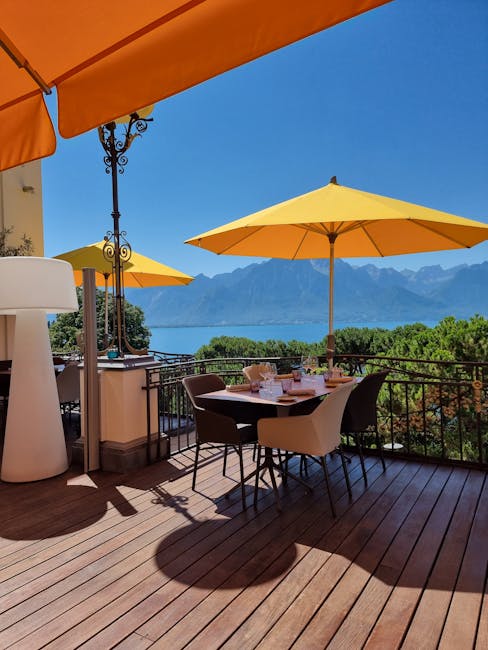
Local tips: for the best value, choose restaurants with daily menus (main + dessert often €12–20) and look for bistros frequented by locals (lunchtime or evening). For drinks, avoid lakeside terraces in high season if you’re on a tight budget: a drink can cost €8–12, while a bar in Le Flon will often charge €6–9. Finally, ask staff at the tourist office for trusted addresses and farmer’s market tips.
Conclusion — Enjoying Lausanne with Peace of Mind
Lausanne is a rich, nuanced destination: its medieval history, focused museums, Lake Geneva panoramas and urban energy make it a city to savor slowly. Apply a few practical tips — know approximate prices in euros, favor public transport, book tours through official organizations and pick restaurants recommended by locals — and you’ll significantly reduce the risk of getting taken advantage of. A little preparation is enough to turn a stressful trip into a memorable experience.
Remember: check hours and prices before you go (museums and restaurants often adapt their schedules seasonally), use the Transports publics lausannois app for travel and prefer official ticket desks or the Tourist Office (Place de la Palud 2, 1003 Lausanne) for guided tours and tailored advice. The benefits of a thoughtful visit are clear: access to the best views (Cathedral, Esplanade de Montbenon), museums that are genuinely worth the visit (Olympic Museum, Collection de l’Art Brut, Palais de Rumine) and a food scene that can satisfy every budget when you know where to look.
Finally, leave time to wander without a strict schedule: Lausanne’s charm often appears in a side street, on a bench by the lake or on a lively terrace. With these practical pointers and the addresses provided, you’re well equipped to explore the city while avoiding modern traps. Safe travels — and enjoy Lausanne, its history and lakeside tranquility.