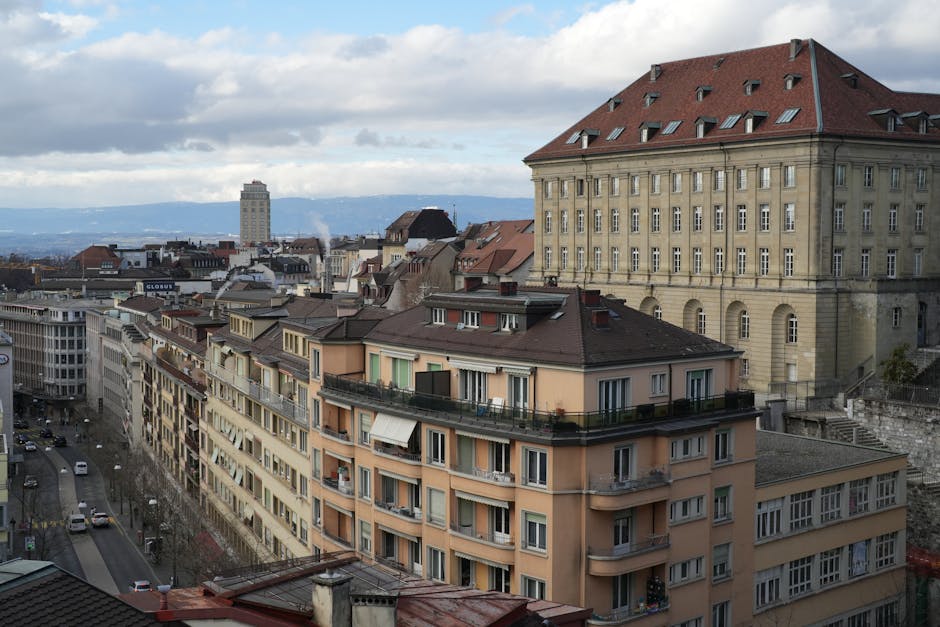






Introduction — Hospitals & Clinics in Lausanne: A Quick Traveler’s Guide
Lausanne, perched on the shores of Lake Geneva and the cultural capital of the canton of Vaud, draws hundreds of thousands of visitors every year: tourists, business travelers, athletes and families. As with any major destination, it’s reassuring to know in advance where reliable healthcare services are, how they work, what costs to expect and which administrative steps to anticipate. This practical guide gives you a clear, immediately usable overview of the main hospitals, private clinics and urgent-care points in Lausanne, with addresses, opening hours, emergency information, indicative prices in euros and local tips to save time if you need care.
We focus on the facilities most likely to be used by visitors: the Centre Hospitalier Universitaire Vaudois (CHUV), the best-established private clinics, and outpatient or non-hospital emergency centers. You’ll also find practical tips on 24/7 pharmacies, how to handle health insurance while traveling, typical costs for consultations and procedures, and tricks for getting quickly to medical services in Lausanne (public transport, taxi, accessible access). This guide is meant to be a working tool: print it, save it to your phone or keep an offline copy.
Important: opening hours and prices listed here are indicative and generally reflect common practice at the time of writing; they can change. We therefore recommend, in an emergency, contacting the facility directly via its official number or website, and for non-urgent care, double-checking addresses and opening hours online. For non-residents, note that Switzerland does not use the euro as its official currency — euro prices shown are approximate conversions to help comparison.
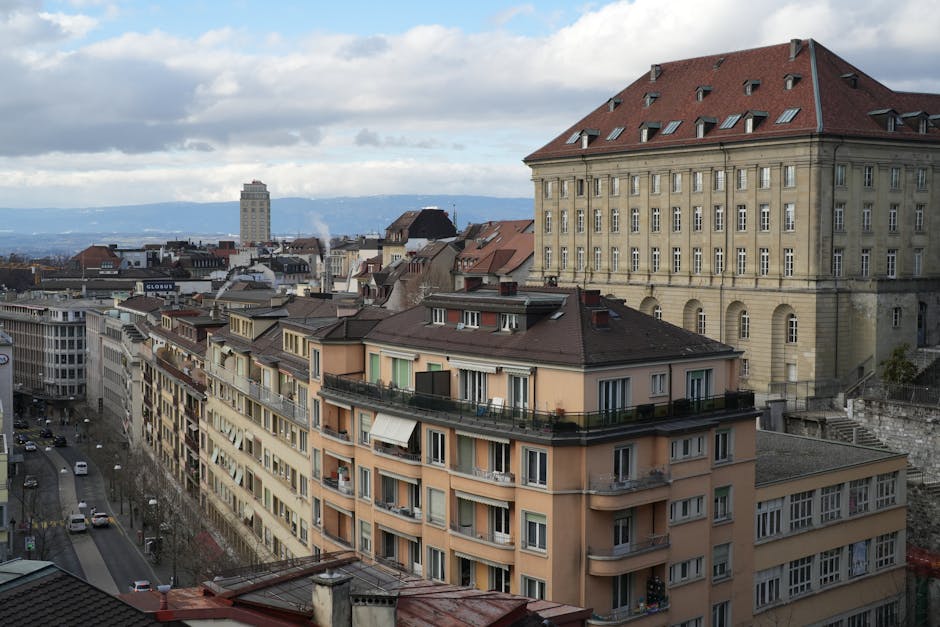
Centre Hospitalier Universitaire Vaudois (CHUV) — emergency care & specialists
The CHUV is Lausanne’s main public hospital for medical emergencies, specialized surgery and pediatric care. It’s the region’s principal university hospital and covers a wide range of specialties: internal medicine, cardiology, oncology, neurology, maternity and intensive care. For a traveler, CHUV is the place to go for accidents, acute symptoms (chest pain, neurological events, significant trauma) or last-minute obstetric needs.
Exact address:
Centre Hospitalier Universitaire Vaudois (CHUV)
Rue du Bugnon 21, 1011 Lausanne, Switzerland.
Contact and opening hours:
- Main switchboard: +41 21 314 11 11 (operator)
- Emergency Department (24/7): Urgences entrance, Rue du Bugnon 46 — open 24 hours a day, 7 days a week
- Visiting hours (for companions): generally 14:00–20:00; vary by department
Practical services:
- Adult and pediatric emergency departments open around the clock.
- Interpreters available on request for common languages (French, English, German, Spanish), subject to availability.
- Hospital pharmacy open during the day; the on-call pharmacy for nights is posted at the entrance.
- Paid on-site parking — expect roughly 3–5 EUR / hour (approximate conversion; payment in CHF typically accepted by card).
Indicative prices (for non-resident visitors):
- Emergency consultation: from roughly 150–250 EUR depending on severity and tests (consult + basic tests).
- Plain X-ray: 50–120 EUR.
- CT scan: 200–600 EUR depending on slices and contrast.
- Hospitalization (per night, standard room): 600–1,200 EUR depending on care and department.
These prices are approximate conversions from Swiss francs and vary by procedure, length of stay and insurance.
Local tips:
- For life‑threatening situations, call the European emergency number 112 or 144 (ambulance) from a mobile phone; explain the condition and ask to be taken to CHUV if appropriate.
- If your condition is stable but needs quick evaluation (e.g. a wound, acute pain), use the emergency department rather than hunting for a specialist without a referral — this can avoid unnecessary delays.
- Bring your passport, credit card and insurance card; without Swiss insurance, direct payment may be required.
Private clinics in Lausanne: Montchoisi, Bois-Cerf and La Source — when to choose private care
Lausanne has a network of well-regarded private clinics, often chosen by patients who want shorter wait times, private rooms and specialized services in orthopedics, cosmetic surgery, ophthalmology or reproductive medicine. Here are three clinics to know: Clinique de Montchoisi, Clinique Bois‑Cerf and Clinique La Source. These clinics offer services in English and have international teams, but costs are generally higher than in public hospitals.
1) Clinique de Montchoisi
Exact address: Clinique de Montchoisi
Avenue de Montchoisi 17, 1006 Lausanne, Switzerland.
Hours: front desk 08:00–18:00 Monday–Friday; non‑trauma urgent care: 08:00–16:00 (contact for 24/7 services depending on specialty).
Phone: +41 21 617 17 17.
Services and indicative prices:
- Specialist consultation (e.g. orthopedic surgery): 120–250 EUR.
- Outpatient surgical procedures (e.g. arthroscopy): from 1,500 EUR (excluding room, anesthesia and additional tests).
- Private room: 300–700 EUR / night depending on comfort.
2) Clinique Bois‑Cerf
Exact address: Clinique Bois‑Cerf
Avenue de Beaumont 24, 1012 Lausanne, Switzerland.
Hours: reception 07:30–17:30; consultations and operating rooms by appointment.
Phone: +41 21 314 33 33.
Services and indicative prices:
- Ophthalmology / cataract consultation: 100–200 EUR; cataract surgery: 1,200–3,000 EUR depending on lens choice.
- Orthopedics and rehabilitation: initial consultations 120–220 EUR; major surgery from 3,000 EUR depending on procedure.
3) Clinique La Source
Exact address: Clinique La Source
Avenue G. Vinet 16, 1006 Lausanne, Switzerland. (Confirm exact location depending on specialty)
Hours: 08:00–18:00 Monday–Friday; on-call services vary by department.
Phone: +41 21 652 60 00.
Services and indicative prices:
- Fertility and gynecology: consultations 100–200 EUR; treatments priced on estimate.
- Short‑stay care and outpatient procedures: 500–3,000 EUR depending on the intervention.
Tips for choosing a private clinic:
- Always ask for a detailed written estimate that breaks down consultation, anesthesia, implant costs, room fees and rehabilitation.
- Check your travel insurance coverage — some premium credit cards or insurer partnerships include preferred healthcare rates.
- For planned surgeries, contact the clinic at least 2–4 weeks ahead to arrange pre‑op consultations and blood tests.
Outpatient care, medical centers and non-hospital emergency services
Alongside hospitals and clinics, Lausanne has an outpatient care network — community health centers, GP practices, walk‑in clinics and urgent care centers. These are often the quickest and most cost‑effective option for non‑life‑threatening issues: infections, minor wounds, prescriptions and mild sprains.
Practical examples and addresses:
- Communal Health Center of Lausanne — Maison de Santé de la Sallaz, Chemin de la Sallaz 6, 1010 Lausanne. Hours: 08:00–20:00 (check detailed schedules). Phone: local information via the center’s site.
- Union Medical Center — Centre Médical de la Riponne, Place de la Riponne 6, 1005 Lausanne. Hours: 08:00–19:00 weekdays; Saturday 09:00–13:00. Walk‑in consultations: flat fee 50–120 EUR depending on service.
- Urgent Medical Clinic — Centre médical Urgence Lausanne (private immediate care clinic), address varies by center; opening hours often extended 08:00–22:00.
Pharmacies and on‑call services:
- Several pharmacies stay open late some days (some until 22:00); a pharmacy on duty is available each night and weekend — check posted notices in town or the City of Lausanne website.
- GP visit price in outpatient care: 70–150 EUR; simple wound dressings and stitches: 40–120 EUR; prescription antibiotics: 10–50 EUR depending on the drug.
Practical advice:
- If you’re unsure whether an issue is an emergency, call the non‑medical local information number 1813 or your travel insurer, who can point you to a partner center.
- Always ask for a written report or prescription in English if you don’t speak French — this makes buying medication and follow‑up consultations easier.
- Keep all receipts and invoices for insurance claims: Switzerland commonly requires detailed documentation.
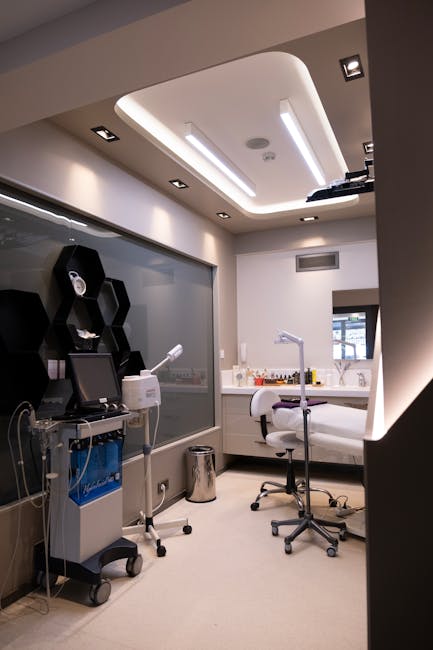
Insurance, costs and steps for travelers
An essential point for every traveler: how care is billed and what costs to expect. Since Switzerland uses Swiss francs (CHF), facilities usually bill in CHF; we provide approximate euro conversions to help understanding. Most hospitals require payment or a guarantee of payment for patients not insured in Switzerland.
Some rules and estimates:
- Emergency calls (ambulance): roughly 200–500 EUR (150–500 CHF) depending on distance and interventions.
- Emergency consultation: roughly 150–300 EUR (120–270 CHF).
- Simple outpatient care: 50–150 EUR.
- Hospitalization (per night in a shared room): 600–1,200 EUR; private room: 1,000–2,500 EUR depending on clinic.
Recommended steps:
- Before you travel, buy a travel health insurance policy that covers Switzerland, including medical evacuation and hospital coverage. Check limits and deductibles.
- Consider the European Health Insurance Card (EHIC) if you’re from an EU country — it can simplify and reduce some costs for necessary care during a temporary stay.
- When treated, ask for a detailed receipt (date, procedure, billing codes) to make reimbursement easier with your insurer.
- International credit cards are generally accepted; still keep some cash or an alternative payment method in case of card issues.
Local tips:
- If you have a chronic condition, bring your prescriptions and a short medical summary in English (or French if possible): this helps replicate treatment quickly.
- For planned treatments or minor procedures, ask for a second opinion if costs are high — major clinics often offer a consult to review the proposed intervention.

Getting to a hospital quickly in Lausanne — transport & accessibility
Lausanne has an efficient public transport network (trains, the M2 metro, buses) and urban setup that makes reaching hospitals straightforward. Major facilities are well-served and accessible for people with reduced mobility. Here are practical tips to get to medical services fast.
Getting to CHUV:
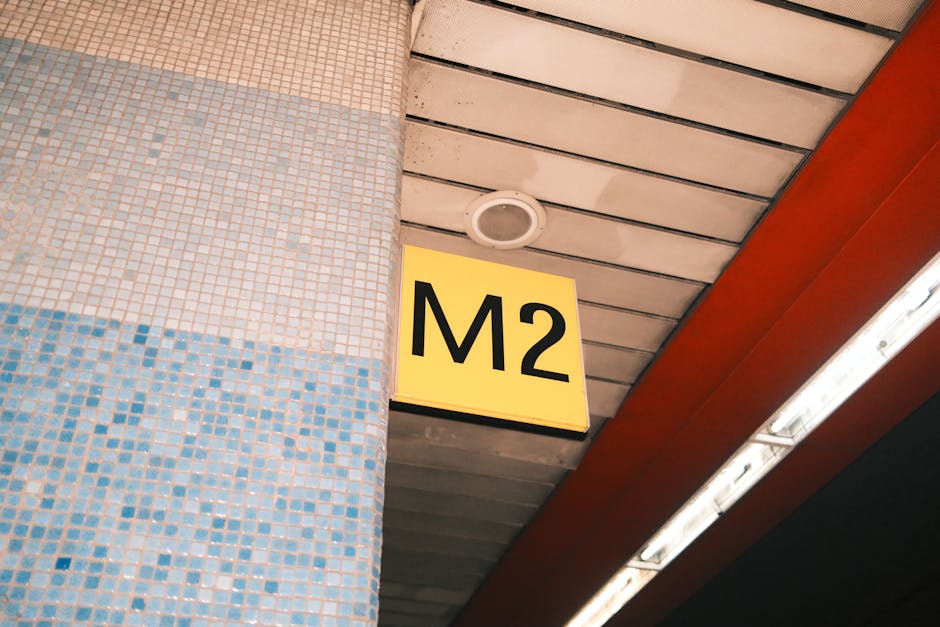
- Metro: M2 line — get off at “Bessières” or “CHUV” depending on the stop; it’s a short walk from the station.
- Bus: several lines serve CHUV from the Central Station (around 10–15 minutes).
- Taxis: taxi ranks near the station provide a quick ride to the emergency entrance; journey from the central station takes about 8–12 minutes depending on traffic — approximate fare 12–20 EUR.
- Parking: paid parking available by the hour or day — use visitor spaces marked for emergencies.
Access to private clinics:
- Clinique de Montchoisi and Clinique La Source are easily reached by bus from the city center (10–20 minutes); check the exact stop and timetable for frequency.
- Clinics often have visitor parking — ask reception for a temporary access code if needed.
Accessibility tips:
- Ambulances and emergency vehicles may use reserved routes; in an emergency, don’t attempt to follow or block their route.
- If you have reduced mobility, notify the facility in advance so staff can welcome you and make entry easier (lifts, ramps, assistance).
Preparing for medical care during your trip or planning a medical stay: practical tips
Whether you’re on holiday, traveling for work or competing in a sporting event, a few simple preparations dramatically reduce stress if a health issue arises. Here’s a practical checklist and local advice based on real experience.
Pre‑departure checklist:
- Travel health insurance: policy covering Switzerland + printed and digital proof.
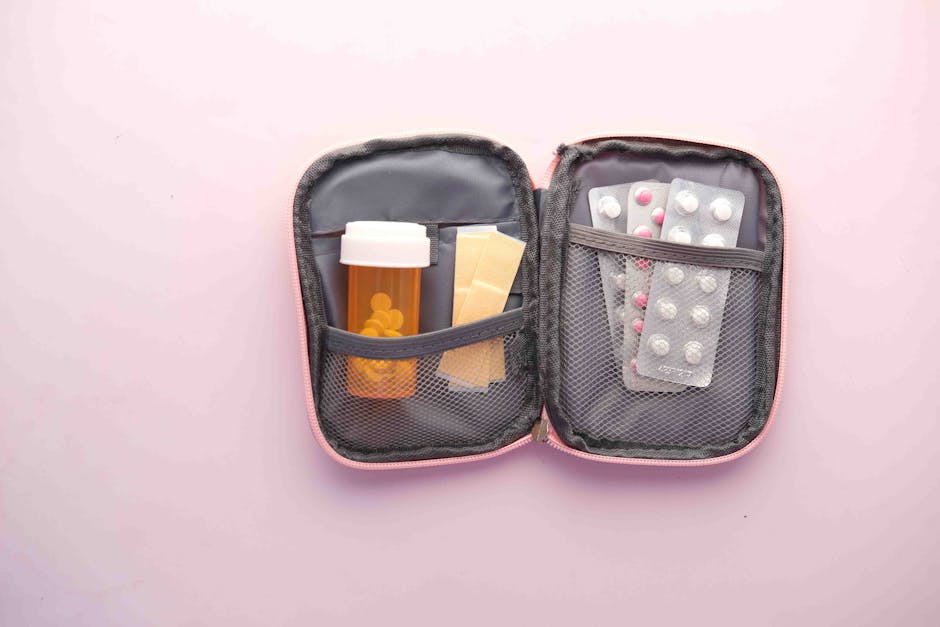
- Essential medications: bring enough for your stay + prescriptions in English/French.
- Emergency contacts: embassy/consulate number, insurer contact, local contact person.
- Copies of key medical documents (allergies, medical history, current treatment).
On site, when you consult:
- Show ID and your insurance card; request a written medical summary in English if language is a barrier.
- Ask for a written cost estimate for non‑urgent procedures — this protects you from billing surprises.
- If you need specific prescriptions or medicines, check with a pharmacy in advance whether the medication is available in Switzerland or if there’s a local alternative.
Tips for athletes:
- Marathons and international competitions in Lausanne often have event medical teams — check the event’s medical posts and the partner clinic in advance.
- For sports injuries (sprain, muscle tear), many private clinics offer fast appointments and imaging within 24–48 hours, often quicker than public services.
Conclusion — be prepared in Lausanne: safety, peace of mind and informed choices
Lausanne offers a comprehensive, high‑quality healthcare network: between CHUV, well-known private clinics and outpatient medical centers, travelers will usually find an appropriate solution for both life‑threatening emergencies and planned medical needs. CHUV remains the reference for critical cases and specialized care, while private clinics (Clinique de Montchoisi, Clinique Bois‑Cerf, Clinique La Source) deliver comfort, shorter waits and premium services. Community health centers and walk‑in clinics are a fast, economical option for minor issues.
To travel with peace of mind in Lausanne, preparation is key: robust travel health insurance, a concise medical file, translated prescriptions and knowing emergency numbers. If in doubt, always call emergency services (144) or CHUV for quick guidance. Finally, keep all invoices and medical documents for potential reimbursement — Switzerland often requires full supporting documentation. Follow these tips and keep this guide handy to turn a medical hiccup into a well‑managed step during your stay in Lausanne.