





Introduction — Why this practical guide matters in Lausanne
Lausanne is a compact, hilly city that sees lots of tourists, students and professionals. Between Lausanne Train Station (Place de la Gare 2, 1003 Lausanne) and the Ouchy waterfront (Place du Port, 1006 Lausanne), taxis are often the fastest and most practical option — provided you can spot and refuse abusive drivers. This step-by-step practical guide gives you concrete, immediately usable actions to detect abusive behaviour, refuse a ride safely and report the incident to the right authorities. It’s written for everyone: visitors, residents, passing travellers and students at the École polytechnique fédérale (EPFL).
Abuse can take many forms: attempts to overcharge, unnecessary detours, refusal to provide a receipt, pressure to pay cash only, verbal harassment, dangerous driving, or even scams at the time of payment. Since the local currency in Lausanne is the Swiss franc, we intentionally give approximate fares in euros to make things easier for international readers (1 EUR ≈ 1.05 CHF, rate varies). This guide includes exact locations (stations, taxi ranks, police stations), price ranges in euros, times and printable checklists to use before, during and after your trip.
Below you’ll find 5 numbered steps, each with at least one concrete action plan, useful phrases in French and English, and contacts where you can get help. The steps range from prevention (what to check before getting in) to an immediate response (how to refuse politely and safely) and follow-up (how to file a complaint). We’ve included ready-to-print checklists, mental scripts of questions to ask drivers, and example scenarios with ready-made responses. The guide also highlights visual cues to identify an official taxi (rank, license plate, meter) and safe drop-off points in Lausanne (Train Station, Flon, Ouchy, CHUV).
Some local context: most taxi ranks in Lausanne (main rank at Place de la Gare, Flon rank, Ouchy rank) are active 24/7 on weekends and busier in the evenings. Independent companies and app-based taxis operate side by side; when in doubt, favour vehicles lined up at an official rank or book through a recognised app. If you’re new to French, key refusal phrases and how to ask for a receipt are included in each step. Finally, useful local contacts are provided: Vaud cantonal police (emergency 117), Lausanne city customer service, and the tourist assistance desk at the Train Station (information desk, Place de la Gare 2).
1. Before you get in: pre-boarding checks (visual and practical checklist)
Before taking a taxi in Lausanne, do a quick but thorough check. Here’s a practical checklist in order — print it or memorise it. Estimated time: 30–60 seconds.
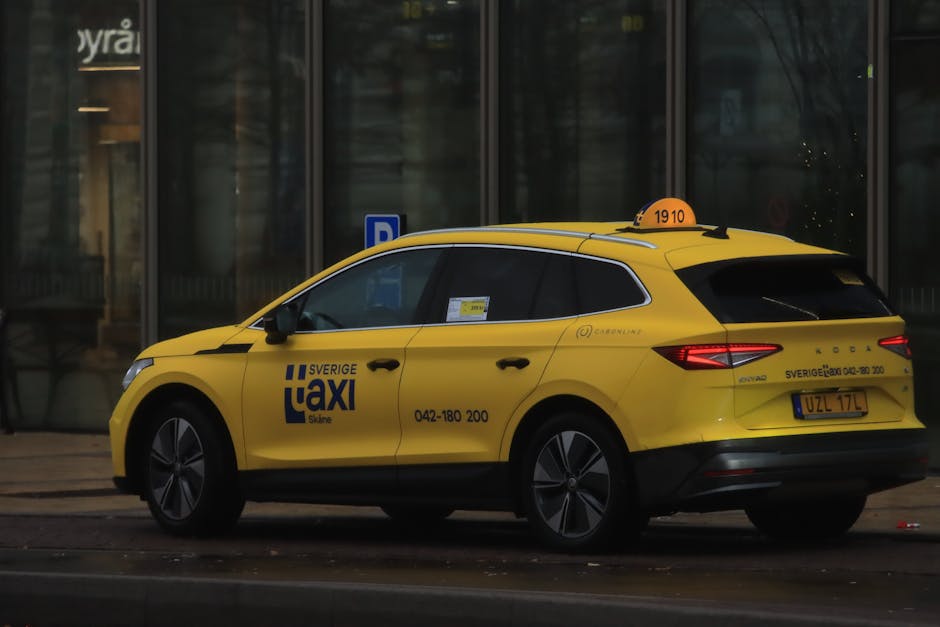
- Check the taxi ID: An official taxi is usually parked at a recognised rank such as Gare de Lausanne, Place de la Gare 2, 1003 Lausanne or Place du Flon, 1003 Lausanne. Look for the illuminated « TAXI » sign on the roof, a visible license plate and a municipal sticker on the windows. If the car is stopped outside a rank, be cautious.
- Meter: Ask to see the meter before you get in. Say: « Pouvez-vous mettre le compteur, s’il vous plaît ? » or in English « Can you put the meter on, please? » If the driver refuses, do not get in.
- Typical fares: Common trips (approximate in euros): Train Station to Ouchy (Place du Port): €9–12; Station to Place du Flon: €6–9; Station to Lausanne-Vidy/EPFL: €12–16; Station to CHUV (Rue du Bugnon 21): €10–14.
- Payment method: Ask if cards are accepted. Phrase: « Acceptez-vous la carte ? » or « Do you accept card? » If the driver insists on cash only or offers a lower flat rate without a receipt, refuse.
- Note the plate: Mentally note or photograph the license plate and the licence number (often shown on the window). This info is essential if you need to report the incident.
- App or reservation: If possible, book through a recognised local app or the taxi dispatch: official rank at Place de la Gare 2 or by phone via the local switchboard (check the station info desk for the exact number). App bookings leave a clear trace of the ride and reduce abuse risks.
Concrete scenario: you’re outside Lausanne Train Station at 11:00 PM and an unmarked car offers you a ride. Quick checks: is there a « TAXI » sign? is the meter visible? does it accept card? If the answer to any question is « no », wait for a car at the official rank or step into a shop or the station hall (Place de la Gare 2) to ask for the dispatch (24h service) — the station information desk is typically open ~06:00–22:00 on weekdays and 08:00–20:00 on weekends.

2. During the ride: warning signs and phrases to use (immediate actions)
Once inside the taxi, stay alert. Here are clear signs of abusive behaviour, how to spot them and phrases to use to state what you expect. Reaction time: immediate.
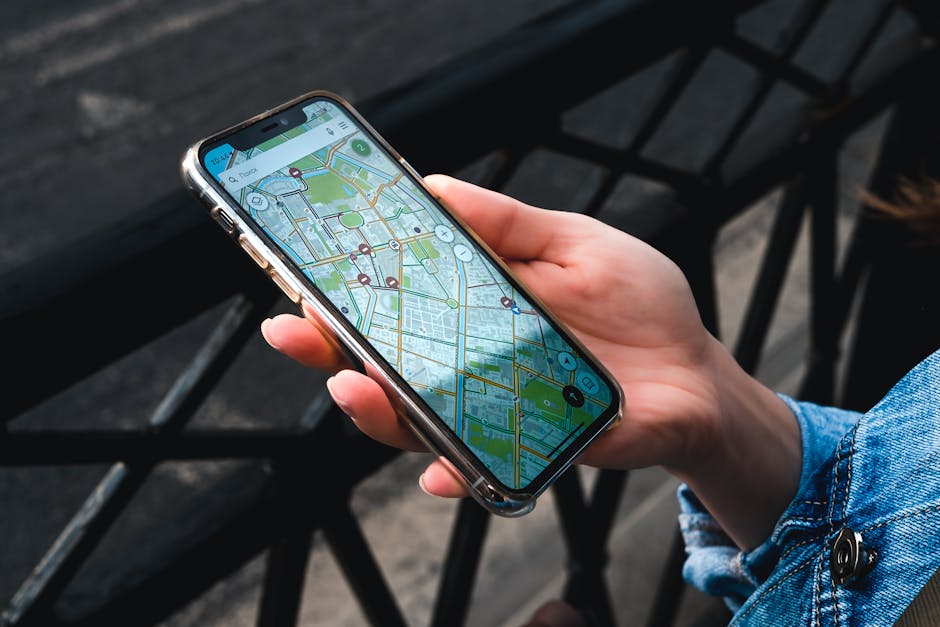
- Warning — unjustified detour: If the driver takes a noticeably longer route to « avoid traffic, » ask: « Pourquoi prenons-nous cette route ? » or « Why are we taking this route? » Use your map app (Google Maps, Apple Maps) to check the route and show the driver the route you expect. If the driver refuses, ask to be let out immediately at a safe public spot (example: Place du Flon, 1003 Lausanne, a busy central rank).
- Warning — refusal to switch on the meter: Calmly insist: « S’il vous plaît, activez le compteur » — if the driver refuses, get out and note the license plate. Do not pay the proposed cash amount without a receipt. If the situation escalates at night and you feel unsafe, head to a well-lit, busy area (train platforms or Place du Flon).
- Warning — insisting on cash only: If the driver refuses cards, ask for a written receipt including: pickup address, destination and the requested fare. Phrase: « I can pay by card — otherwise I’ll need an official receipt. » If you don’t feel comfortable or can’t get a receipt, refuse the ride.
- Physical warning signs: dangerous driving, speeding, stops in isolated areas — request to be dropped at the next public, busy location (e.g. Place du Port, Ouchy or « Lausanne Train Station »). If you feel threatened, call 117 (Vaud cantonal police) and give your exact location (e.g. « I’m in a taxi between Lausanne Train Station, Place de la Gare 2 and Ouchy, Place du Port 1006 »).
Example phrases for the situation (French / English):
- « Pouvez-vous mettre le compteur maintenant ? » / « Can you start the meter now? »
- « Je veux être déposé devant la station de taxi du Flon, Place du Flon. » / « Please drop me at Flon taxi stand, Place du Flon. »
- « Si vous n’acceptez pas la carte, je descends à la prochaine station. » / « If you don’t accept card, I will get off at the next station. »
3. Refuse politely but firmly: a 6-sentence protocol and safe drop-off routes
Sometimes you’ll need to refuse or interrupt a ride. Here’s a step-by-step protocol with 6 go-to lines to de-escalate or end a trip without confrontation, plus safe places to get out in Lausanne. This protocol aims to minimise conflict and keep you safe.
- Step 1 — Stay calm and assertive: « Non merci, ce n’est pas acceptable. Merci de me déposer maintenant à la station la plus proche. » (English: « No, thank you, that is not acceptable. Please drop me at the nearest station. »).
- Step 2 — Name the nearest public place: Always choose a busy area: Gare de Lausanne, Place de la Gare 2, 1003 Lausanne, Place du Flon, 1003 Lausanne, Place du Port, Ouchy, 1006 Lausanne, or in front of an open shop if available.
- Step 3 — Make payment conditional: « Je descends si vous n’activez pas le compteur / ne donnez pas de reçu. » Don’t pay under pressure. Demand a written receipt (e.g. amount in numbers, pickup address, drop-off address, licence number).
- Step 4 — Document: Quietly take a photo of the licence plate and licence number. If you feel uneasy, pretend to call someone (or call 117 if in danger) to increase the chance the driver cooperates.
- Step 5 — Get out in a safe place: If the driver refuses to stop, open the door as soon as the vehicle stops at a light or near a busy spot (for example in front of Place de la Palud, 1003 Lausanne or the nearest café/restaurant). Central pedestrian zones are safer and busy.
- Step 6 — Follow-up: If the driver becomes aggressive, call 117 and give your precise location. Afterwards, report the incident to the municipal service (Mobility Service or local police) with photos and exact times.
Safe drop-off routes examples:
- Station to Flon: get out at Place du Flon, 1003 Lausanne (pedestrian area, well lit, many shops). Walk time from drop-off: 2–3 minutes.
- Station to Ouchy: get out at Place du Port, 1006 Lausanne (Léman lakeside promenade, busy in the evening). Often active until midnight or later in summer.
- To CHUV: ask to be dropped at the main CHUV entrance, Rue du Bugnon 21, 1011 Lausanne (hospital, 24h security on site).
4. After the ride: gather evidence, report and seek reimbursement
If you were a victim of abuse (overcharging, no receipt, unnecessary route), here’s the exact process to maximise your chances of getting redress and escalating the incident to the authorities. Time to allocate: 10–60 minutes plus administrative follow-up.
- Collect evidence — Immediately: Photo of the licence plate, photo of the vehicle (if you can), screenshot of the route (Google Maps) showing duration and distance, note the exact time (e.g. 22:14) and the precise pickup and drop-off points (e.g. Pickup Place de la Gare 2, requested stop Place du Port 1006).
- Receipt: If you got a receipt: keep it. If you didn’t, note the fare demanded and how you paid (cash or card). For card payments, ask your bank for a statement and contest the transaction if needed (usually within 30 days for many European banks).
- Police contact: In case of assault or threatening behaviour: dial 117 immediately. For an administrative complaint (overcharge), you can file a report at the local police station: Vaud Cantonal Police — Lausanne Station, Route de Bel-Air 55, 1018 Lausanne (check opening hours; emergencies and duty officers are often available 24h).
- Report to the City: Email the Lausanne Mobility Service (taxi licensing division) — include the address, time, plate number, amount charged and attach photos. If there’s no direct email, use Lausanne’s online form on lausanne.ch (section « Mobility / Taxis »).
- Bank dispute: If you paid by card and suspect overcharging, contact your bank for a chargeback. Provide all evidence (driver messages, receipt, screenshots).
Useful addresses and contacts (keep them handy):
- Lausanne Train Station (information desk) — Place de la Gare 2, 1003 Lausanne — info desk typically open ~06:00–22:00 (hours vary by season).
- Place du Flon (central pedestrian area) — Place du Flon, 1003 Lausanne — busy throughout day and evening.
- CHUV (24h security) — Rue du Bugnon 21, 1011 Lausanne — ideal for medical emergency or immediate safety.
- Vaud Cantonal Police — main Lausanne station: Route de Bel-Air 55, 1018 Lausanne — emergencies 117.
5. Long-term prevention and recourse: insurance, recommended apps and associations
Beyond the immediate response, adopting preventive measures greatly reduces the risk. Here are concrete tools, apps and recourses to use regularly while travelling in Lausanne.
- Apps to prefer: Use recognised services that leave a trace: local taxi apps (check reviews and ratings), Uber (available in several Swiss cities) or the local taxi dispatch. Booking via an app gives you the route, time and a clear price estimate (use the price estimate feature before the ride).
- Travel insurance / bank cards: Check whether your travel insurance or bank card covers transport disputes. Some cards (Visa Premier, Mastercard Gold) offer fraud protection and legal assistance abroad.
- Consumer groups and associations: If you are repeatedly targeted or the driver refuses to cooperate, contact a local consumer association (e.g. Swiss consumer organisations — check the national contact) or the Vaud cantonal consumer authority. Detail the incident and attach photos and timestamps.
- Personal education: Memorise indicative fares (Station → Flon €6–9, Station → Ouchy €9–12), avoid getting into an unmarked car off a rank, always ask for the meter and a receipt, and favour official ranks: Place de la Gare 2, Place du Flon, Place du Port Ouchy.
- Warn others: Share your experience on local review platforms (Google Reviews, Facebook group « Lausanne Expats ») and report the plate number and description. This alerts other users and pressures companies to sanction problem drivers.
Printable recap checklist
- Before getting in: Check for « TAXI » on the roof, visible meter, card acceptance, note the plate, prefer an official rank.
- During: Monitor the route on your app, ask for the meter, demand a receipt if paying cash, stay in public areas.
- Refusing: Use the ready phrases, ask to stop at a rank, photograph the plate, call 117 if threatened.
- After: Collect evidence, contact the police, submit a complaint to the City of Lausanne, dispute the charge with your bank if paid by card.
Conclusion — Stay in control of your ride in Lausanne
Lausanne is a pleasant and generally safe city, but like anywhere, abuses happen. This 5-step guide gives you a clear, practical method you can use immediately: check before you get in, recognise warning signs during the ride, refuse firmly without confrontation, document and report the incident, and take preventive actions for the future. The exact addresses (Place de la Gare 2, Place du Flon, Place du Port Ouchy, Rue du Bugnon 21 for CHUV, Route de Bel-Air 55 for the police) and fare ranges in euros help you act quickly and concretely.
Always keep your phone charged, have a map app ready and, if possible, use a taxi booking app. When in doubt, prioritise safety: get out at the nearest official rank, note the plate and report the incident. Remember: refusing an abusive ride isn’t rude — it’s protecting your rights and your safety. Lausanne authorities (Vaud cantonal police, municipal services) are there to help; reporting incidents also helps improve service quality for everyone.
Finally, spread the word. Telling friends, colleagues and local communities (expats, students) creates an alert network and increases pressure on bad actors. Use the checklists and phrases in this guide — they were designed to be short, clear and effective, usable even under stress. Safe travels in Lausanne, and keep this guide handy for your next taxi ride.