





Introduction — Why this practical guide matters in Lausanne
Lausanne is a lively lakeside city on Lake Geneva, with its rolling hills, trams and university neighborhoods. But a medical emergency can happen anytime — on a bike path by the lake, in student housing, at a match in Stade de la Tuilière or while hiking the Lavaux vineyards. This hands-on guide gives you a seven-step operational checklist designed to be used immediately in Lausanne: phone numbers, addresses, opening hours, rough costs in euros and what to do depending on the situation. It’s not a substitute for formal training, but it will help you act quickly and correctly while waiting for professional help.
You’ll find practical, precise information here: how to reach emergency services (specific numbers), where to go for non-life-threatening emergencies, which on-call pharmacies to contact, a ballpark ambulance cost (estimates in euros) and how to document the incident (photos, witness statements). Instructions are organized into numbered steps so you have a clear action plan on the ground. I’ve included exact addresses in Lausanne — including the CHUV (Centre Hospitalier Universitaire Vaudois) — and tips for foreigners and tourists (documents to prepare, the best language to use, which insurer to call).
This guide focuses on usefulness: printable checklists, handy phrases in French and English to communicate your needs, visual landmarks to help direct responders and recommendations for what to do after the incident (contacting insurers, getting personal items back, keeping receipts). Whether you live here, study here, commute across the border or are just visiting, keep this on your phone or print it out. It also lists visual warning signs to watch for (loss of consciousness, trouble breathing, heavy bleeding) and thresholds for when you should call an ambulance immediately.
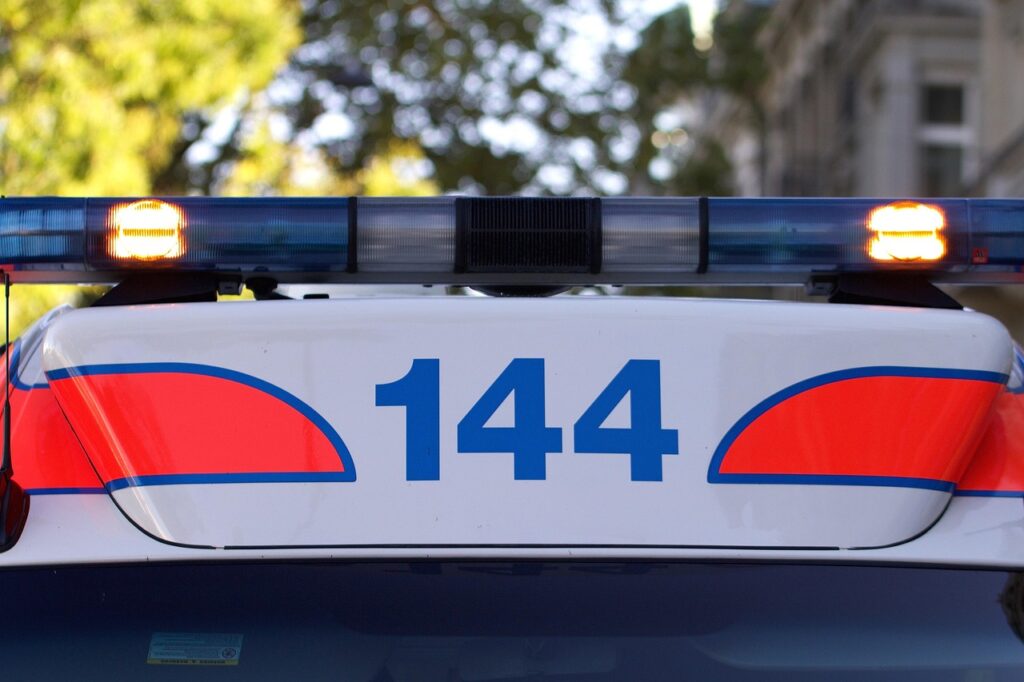
Before we dive into the seven detailed steps, note two essential points: 1) For a life-threatening emergency in Lausanne, dial 144 (ambulance) — the service is available 24/7 and operates in French, German and English. 2) CHUV, the region’s main hospital, has a 24-hour emergency department; its address and hours are listed below. Get prepared now: read every step, save the numbers and print the final checklist. The city is well equipped, but often the first minute makes all the difference.

1) Assess the scene and secure the victim (0–2 minutes)
The first minute counts. As soon as you arrive, do a quick sweep of the environment: road danger (tram, cars), electrical risks, fall hazards, fire or collapse. If the scene is unsafe, don’t put yourself at risk — move the victim only if they’re in immediate danger (for example, a vehicle on fire). Follow these concrete steps:
- Check responsiveness: tap the shoulder, speak loudly — try French, then English: “Bonjour, vous m’entendez ?” / “Are you OK?” If the person responds, note their level of consciousness and what they say.
- Check breathing: watch the chest, listen and feel. If there’s no normal breathing, prepare for CPR and call 144 immediately.
- Stop major bleeding: press firmly with a clean cloth or clothing. If available, use a pressure dressing (on-call pharmacies listed below).
- Immobilize: if you suspect a fracture or head injury, keep the person still; ask bystanders to stabilize the head and neck without sudden movements.
- Secure the scene: ask someone to mark the location (place a reflective triangle if on the road), call 144 and guide responders to the exact spot (see addresses/landmarks below).
Quick checklist to keep in your pocket or on your phone: disposable gloves, a face mask, sterile dressings (or a clean cloth), a disposable thermal blanket, and a torch or a phone with the screen on. If the victim is conscious, ask about allergies, medications and medical history (phrase to use: “Avez-vous des allergies ? Prenez-vous des médicaments ?” / “Any allergies? Medications?”). Write down the answers and have them ready for the emergency team.
2) Call for help: numbers, what to say and language tips
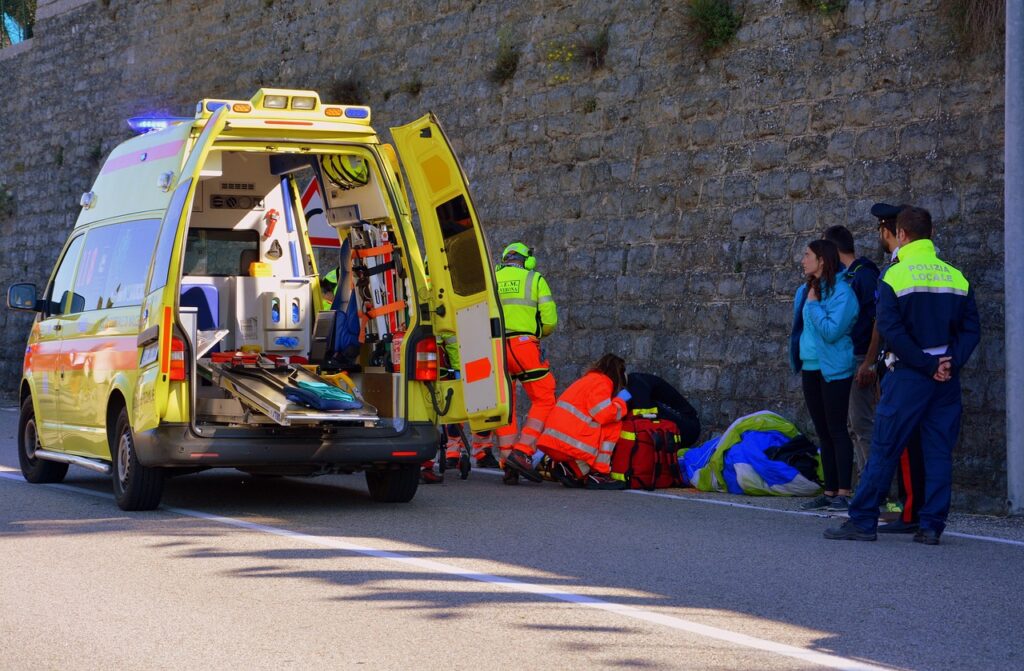
Dial 144 immediately for a life-threatening medical emergency in Switzerland. This is a national, 24/7 service. Give the following information slowly and clearly:
- Who you are: your name and phone number.
- Where you are: the precise address or a clear landmark in Lausanne (examples below) — name the street, number, neighborhood and a visible point of reference (e.g. “in front of Lausanne train station, exit toward Place de la Gare, central staircase”).
- Nature of the emergency: unconsciousness, cardiac arrest, major bleeding, breathing difficulty, poisoning, etc.
- Number of victims: state how many people are involved and their apparent condition.
- Access: nearest entrance, floor, access code if relevant.
Other useful numbers in Lausanne:
- Police: 117 (non-medical) — for reporting accidents, public safety.
- Fire brigade: 118 — fires and technical rescues.
- CHUV, emergency department: +41 21 314 11 11 (for information, but call 144 for immediate intervention).
Concrete examples of what to tell dispatch (copy-paste if needed):
- CHUV, Rue du Bugnon 21, 1011 Lausanne — main entrance, emergency department, ambulance access on Rue du Bugnon side.
- Lausanne train station, Place de la Gare 1, 1003 Lausanne — south exit, central staircase facing the Ouchy kiosk.
- Quai d’Ouchy, 1006 Lausanne — near the statue, pier No. 2 on the lakeside.
Language: services primarily operate in French; English is commonly understood. If you don’t speak French, start in English — operators will arrange language support if needed.
3) Getting to or transporting to emergency care: CHUV and practical alternatives
If the situation isn’t immediately life-threatening but still requires urgent attention (chest pain, open fractures, brief loss of consciousness), you can go to the emergency department yourself or call an ambulance. Here are local, practical options with addresses, opening hours and approximate costs in euros (estimates).
- CHUV — Emergency Department: Centre Hospitalier Universitaire Vaudois, Rue du Bugnon 21, 1011 Lausanne. Hours: 24/7. Phone: +41 21 314 11 11. Cost: emergency visits are billed according to insurance; uninsured patients might face roughly €150–800 depending on tests (radiology, labs). Ambulance (if required): average cost in Switzerland ~€700–1500 (estimate) — converted to euros at the day’s exchange rate.
- Clinique de La Source: Av. de la Source 60, 1007 Lausanne. Hours: for non-life-threatening urgent care and consultations depending on availability; phone: +41 21 642 42 42. Fees vary (~€100–600 depending on the procedure).
- On-call pharmacies and duty doctors: for minor injuries, high fever or infections. Current lists and opening hours are posted on the City of Lausanne website and on main pharmacy doors. Typical consultation fees: around €50–150 (estimate).
Practical tips for transport:
- If you call an ambulance (144), say whether you accept transport to CHUV or prefer another clinic.
- If the victim travels by private means, accompany them. Note departure time and keep all receipts (taxi ~€10–30 in the city, tram €3–4 — emergency care comes first). Taxis in Lausanne run 24/7; expect €15–30 for an intra-city trip depending on distance.
- Prepare documents: insurance card, ID/passport, list of medications, emergency contact numbers.
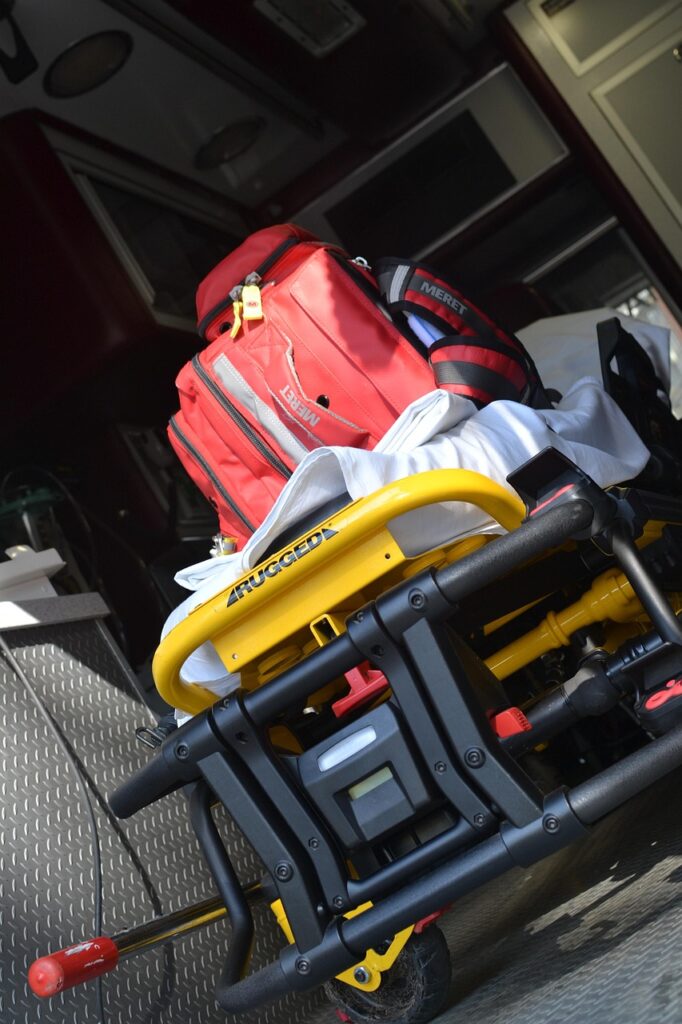
4) Handling admin at the hospital
On arrival to emergency services, follow these steps to speed up care and make insurance reimbursement easier:
- Registration: present your ID and insurance card (European health insurance card or private insurance). CHUV emergency accepts patients 24/7, but triage is based on clinical priority.
- Incident report: give a brief account: time of the accident, circumstances, medications taken, allergies. If possible, provide a phone number for a next of kin.
- Billing: hospitals in Switzerland bill for services. Keep all receipts: consultation, splints, X-rays, lab tests. As a guideline: an ankle X-ray €80–200, chest X-ray €100–250, blood tests €50–200.
- Interpreter: if you don’t speak French, ask for an interpreter or an English-speaking staff member. CHUV has language resources; be explicit that you need interpretation.
- Discharge and prescriptions: request a discharge summary in English if needed. Outpatient medications are picked up at a pharmacy; prices vary (e.g. an antibiotic €15–60, painkillers €5–20).
Reminder: keep photos of wounds and the scene, notes and witness contact details (name and phone). These will help with insurance claims and, if necessary, a police report (117).
5) Immediate care checklist and 48–72 hour follow-up
After the initial visit, follow-up within 48–72 hours is often essential. Here’s a detailed checklist you can print or save:
- Receive and keep the discharge summary (ask for an English version if needed).
- Book follow-up appointments with specialists (orthopedics, cardiology, pediatrics) if prescribed. CHUV: make appointments via +41 21 314 11 11 or at the consultations desk.
- Start prescribed treatments: take medications as directed and ask about side effects.
- Arrange rehab if required: physiotherapy (costs vary, €40–120 per session). Ask the hospital’s social services for a list of approved physiotherapists.
- Contact your travel or supplemental insurance to open a claim: send scans/PDFs of invoices and the discharge report. Note deadlines: some insurers require notification within 48–72 hours.
- If a third party is involved (car, bike), file a police report (117) and request an official statement — useful for insurers.
For students or foreign residents: notify your student office or landlord if you’ll be hospitalized for an extended period. Keep all proof of payment; some hospitals require prepayment for uninsured patients. Finally, plan the next steps of care: appointments at a private clinic (e.g. Clinique La Source) or return visits to CHUV as medically advised.
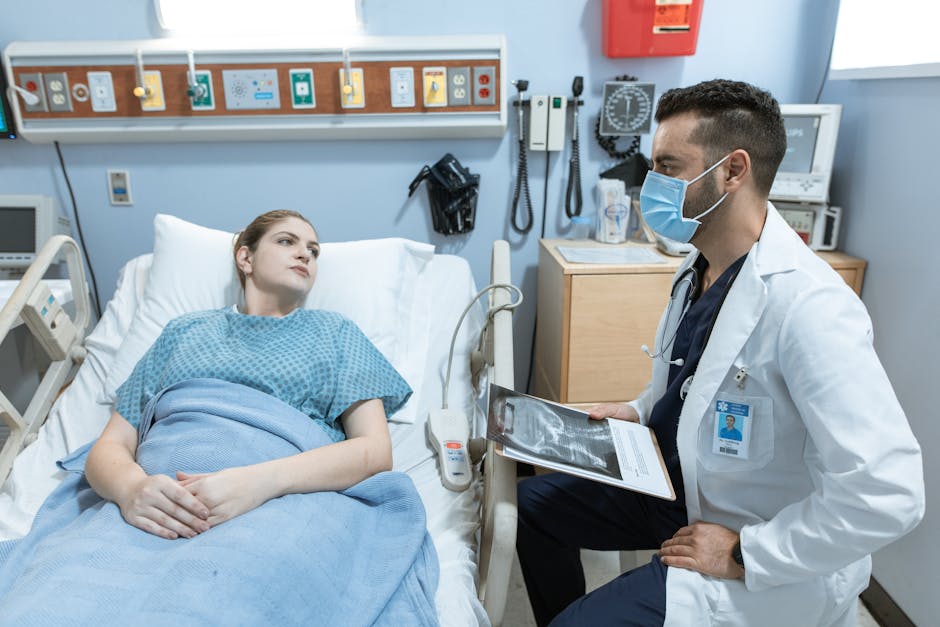
6) Pharmacies, gear and local resources — where to buy and what it costs
After an incident you’ll need supplies (bandages, dressings, painkillers) and sometimes prescription meds. Here are reliable places in Lausanne with addresses, opening hours and indicative prices:
- Pharmacie de la Gare — Rue du Grand-Pont 8, 1003 Lausanne: usual hours 08:30–19:00, closed Sundays (check which pharmacy is on duty). Items: plasters €3–10, sterile dressings €2–8, paracetamol/ibuprofen €5–12.
- Pharmacy at CHUV — Rue du Bugnon 21, 1011 Lausanne: located on hospital grounds, opening hours tied to emergency operations (often available 24/7 for inpatients). Prescriptions are dispensed to hospitalized patients; prices depend on the prescription.
- Medical supplies stores — MediStore Lausanne, Avenue de Cour 55, 1007 Lausanne (example): splints, crutches, braces; approximate prices €10–70 for simple splints, crutches €20–60.
On-call pharmacies: check the City of Lausanne website or the “Pharmacie de Garde CH” app for the current list and hours. Note: medicines in Switzerland are generally more expensive than in some EU countries — convert to euros using the current exchange rate.
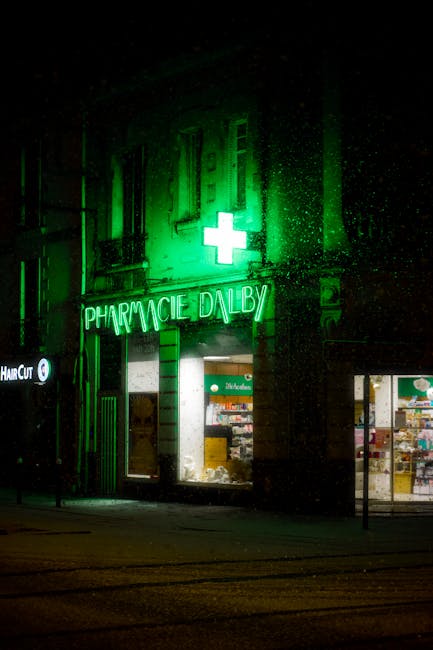
7) Post-emergency advice: insurance, paperwork and future prevention
After the medical phase, you’ll need to handle admin tasks and take preventive steps. Here’s a concrete list of actions to take:
- Insurance: contact your health or travel insurer immediately. Send copies of the medical report, invoices and photos. Ask for a claim number and the expected reimbursement timeline.
- Receipts and proof: scan or photograph all invoices, prescriptions and hospital forms. Organize them by date and note the reason for each expense.
- Police report: if the accident involves a vehicle, a third party or an assault, file a report with the Vaud Cantonal Police (117). Main info address: Avenue du Pré-de-la-Fontaine 21, 1014 Lausanne (verify online before going).
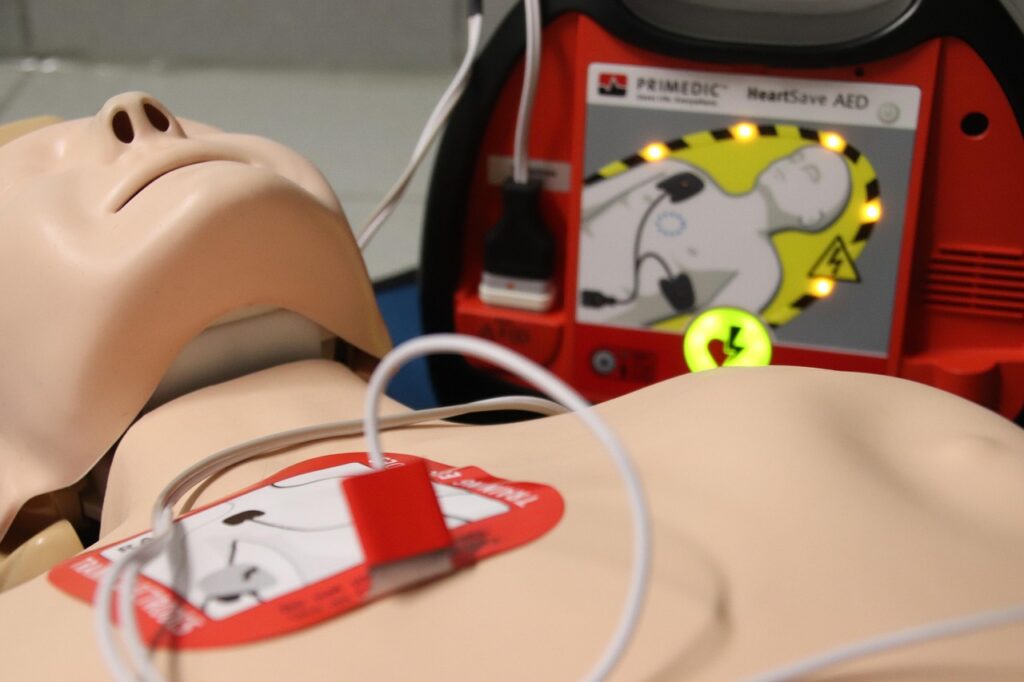
- Prevention: take a local CPR course (often offered by the Vaud Red Cross). Cost: basic CPR training ≈ €40–80 depending on duration.
- Personal emergency contacts: update your phone’s ICE (In Case of Emergency) contacts and keep a digital copy of your insurance card and allergy list.
Finally, consider practical future measures: buy a small first aid kit (€20–50), install an emergency app with local contacts, and learn the fastest routes to CHUV and Clinique de La Source from your home or workplace. Preparation reduces stress and speeds up care if something unexpected happens again.
Conclusion — Summary and final recommendations
This seven-step guide gives you a clear, immediately actionable method for medical emergencies in Lausanne: assess and secure, call for help (144), get to emergency care (CHUV Rue du Bugnon 21), handle the paperwork, ensure medical follow-up, buy needed supplies, and deal with insurance and prevention. Keep these essential numbers at hand: 144 (ambulance), 117 (police), 118 (fire brigade) and the CHUV phone number (+41 21 314 11 11). Download or print the final checklist: 1) Secure the scene, 2) Assess the victim, 3) Call 144, 4) Control bleeding, 5) Transport if necessary, 6) Obtain the medical report, 7) Contact your insurer.
Handy tips: keep a digital copy (photo) of your insurance card, passport and prescriptions. Whether you live in Lausanne or are just visiting, consider a small first aid kit, learn basic lifesaving skills (CPR) via the Vaud Red Cross and know the quickest routes to CHUV from your usual locations. Let your loved ones know about any allergies or chronic treatments — it helps emergency teams act fast. Swiss emergency care is excellent, but rapid response, clear information and organized documents always speed up treatment and reduce complications.