





Introduction: Why behave responsibly when visiting Lausanne
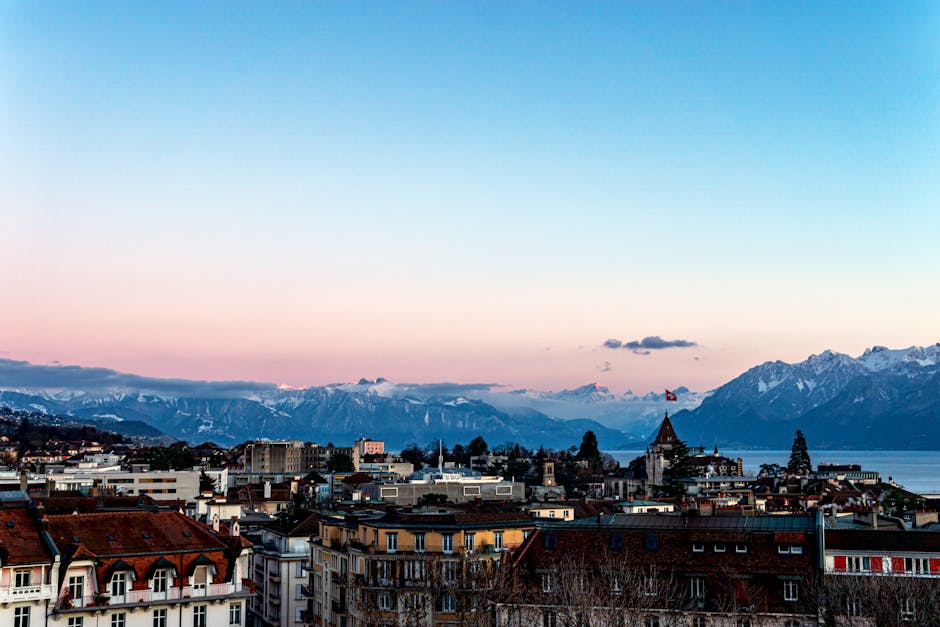
Visiting Lausanne, a gem on the northern shore of Lake Geneva and the Olympic capital, is full of cultural surprises, lakeside views and lively neighbourhoods. But this city of roughly 140,000 residents is also people’s home, a fragile natural environment and a cultural hub that benefits from respectful tourism. Acting responsibly isn’t just about ethics — it’s also the best way to make your stay longer-lasting and more rewarding. By respecting the environment, the locals and the heritage, you help protect the places you love while enjoying a more authentic and peaceful experience.
Responsible tourism covers several things: cutting your carbon footprint, limiting waste, following local rules and supporting the local economy through mindful purchases. In Lausanne, that means using the regional public transport (TL), choosing neighbourhood restaurants and shops, carrying a refillable water bottle to use public fountains, and knowing the right behaviour for visiting historic sites such as Lausanne Cathedral (Place de la Cathédrale, 1005 Lausanne) or the Olympic Museum (Quai d’Ouchy 1, 1006 Lausanne).
This guide aims to be practical and detailed: it presents concrete behaviours to adopt, along with useful information — exact addresses, indicative prices in euros, typical opening hours and immersive descriptions of places — so every action has meaning. You’ll find tips on getting around without a car, visiting museums respectfully, consuming locally without overdoing it, and dealing with sensitive issues such as photography, pets or noise in residential areas.
By following these practices you don’t just improve life for Lausannois; you also deepen your own visit. You’ll learn, for example, to choose a local café over a big chain, to visit the Riponne market (Place de la Riponne, 1005 Lausanne) with reusable bags, to join a guided walking tour rather than renting a car, and to respect green spaces and the Ouchy shoreline. Responsible behaviours can also lead you to hidden gems: an independent bookstore, an artisanal patisserie or a tap to refill your bottle.
Throughout this guide each section gives concrete actions, precise addresses such as Lausanne Cathedral (Place de la Cathédrale, 1005 Lausanne), the Olympic Museum (Quai d’Ouchy 1, 1006 Lausanne), the Palais de Rumine (Place de la Riponne 6, 1005 Lausanne) and Lausanne Train Station (Place de la Gare 2, 1001 Lausanne), plus indicative prices in euros and typical opening hours. You’ll also find local recommendations — for instance, taking trams and CGN boats to enjoy the lake without polluting, or respecting quiet hours in residential neighbourhoods during evenings.
Finally, this guide recognizes that travelling responsibly doesn’t mean depriving yourself. Quite the opposite: it’s about choosing better, interacting more authentically and turning your visit to Lausanne into something positive. Whether you’re in town for a short stop or a longer stay, the practices outlined here will help you enjoy a fuller experience — respectful of the environment, local communities and Lausanne’s cultural heritage.
1) Getting around Lausanne sustainably: transport, routes and active mobility
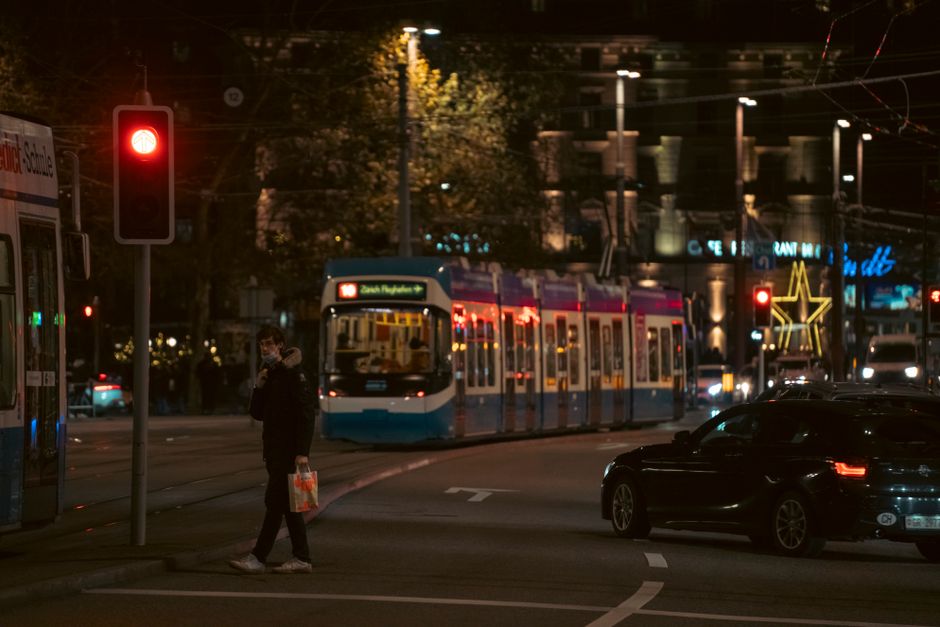
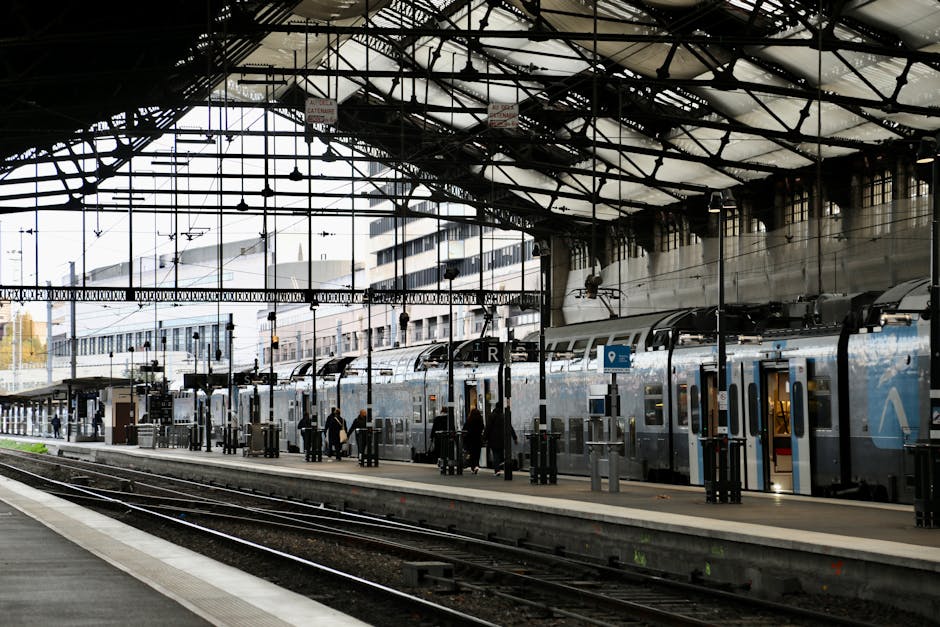
Lausanne offers a dense, efficient public transport network that lets you avoid using a car while comfortably exploring the city. Transports publics lausannois (TL) operate buses and the metro (M1, M2); the city is also linked by SBB/CFF trains via Lausanne Train Station (Place de la Gare 2, 1001 Lausanne). For lakeside trips, the CGN boats (Compagnie Générale de Navigation) run regular services to Ouchy, Montreux and Geneva, offering a gentle, scenic alternative for crossing the lake.
Practical tips:
- Use a regional ticket: a single local ticket (bought at a TL machine or via the app) costs around €3.00 for a short urban ride (indicative price). A 24-hour tourist pass is often around €10–12 depending on zones; check the TL app or official site for exact fares on the day you travel.
- Prefer the M2 metro: the M2 line is the north–south backbone linking Ouchy (Quai d’Ouchy 1) to Épalinges; it runs frequently and is comfortable. Typical hours: metro every 5–10 minutes during the day, roughly 05:00 to 00:30.
- Take the CGN boat: board at Quai d’Ouchy (Quai d’Ouchy 1, 1006 Lausanne). Indicative fare for Lausanne–Montreux: about €20–25 one-way, variable by season and boat type. Schedules: several departures daily, more frequent in summer (see www.cgn.ch).
- Rent a bike or use shared e-scooters: there are many rental spots and shared services in Lausanne. When possible, opt for pedal bikes rather than motor-powered models to reduce energy use.
- Walk when you can: many neighbourhoods are compact; a stroll from Le Flon to the Cathedral and the lakeside is pleasant and lowers your carbon footprint.
Concrete examples of responsible routes:
- From Lausanne Train Station (Place de la Gare 2, 1001 Lausanne) to the Olympic Museum (Quai d’Ouchy 1, 1006 Lausanne): take the M2 metro toward Ouchy, about ~10 minutes, fare: single urban ticket around €3.00.
- Explore the historic centre: park on the outskirts and continue on foot to keep the centre free from pollution and noise. Pedestrian zones around Place de la Palud and the Cathedral are especially walkable.
Rules and good practices:
- Always validate your ticket: fines for not having a valid fare can be high and harm the image of responsible visitors.
- Keep priority lanes clear: leave bus lanes, tram lanes and cycle paths unobstructed; do not park on bike lanes.
- Avoid unnecessary trips: plan visits by area to limit daily travel.
2) Visiting monuments and museums respectfully: opening hours, prices and etiquette
Lausanne’s main cultural sites draw many visitors; their preservation depends on everyone’s behaviour. Here’s how to enjoy these places while helping conserve them.
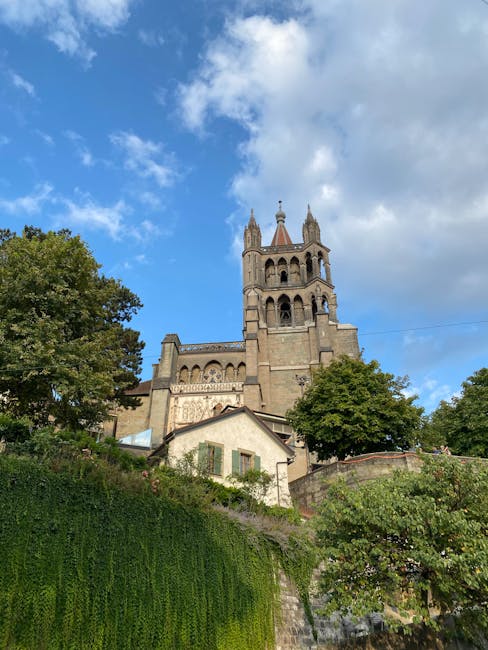
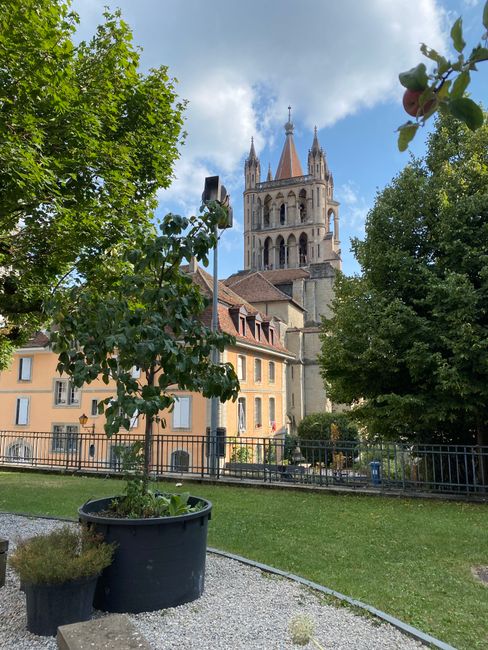
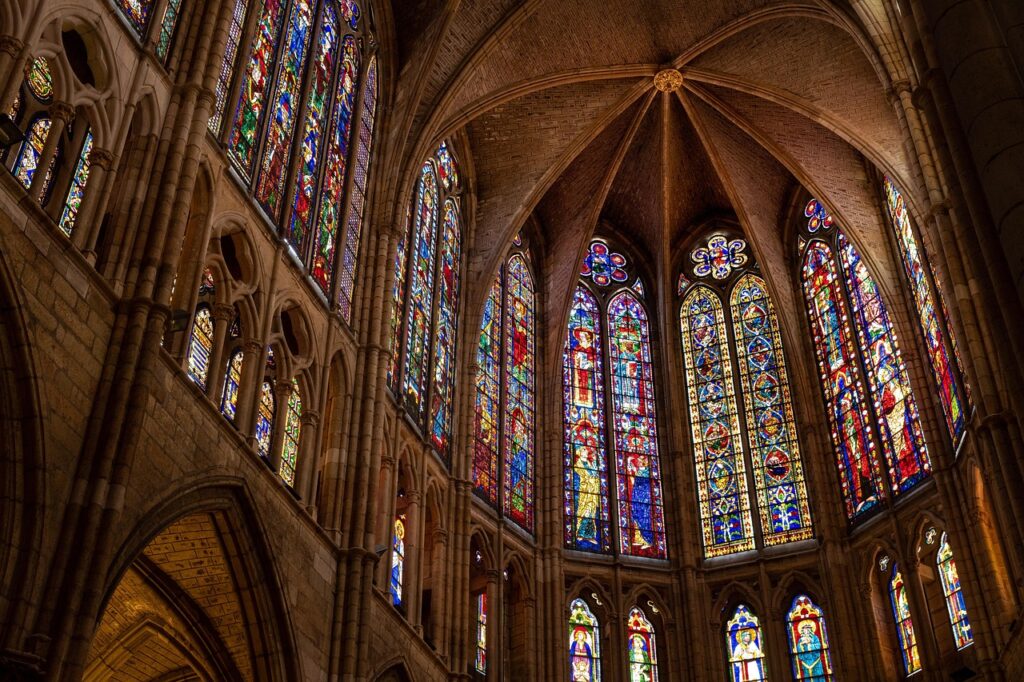
Lausanne Cathedral (Notre-Dame Cathedral) — Place de la Cathédrale, 1005 Lausanne
- Opening hours: generally open daily from 08:00 to 19:00. The climb to the bell tower is often possible from 09:00 to 17:00 (hours may change on Sundays and during religious events).
- Prices: entry to the nave is free, but tower access is usually ticketed: around €6.00 (indicative price; payment on site often in CHF — bring cash or card).
- Responsible behaviour: respect religious services, avoid noisy selfies during ceremonies, take all your rubbish with you and follow marked paths to protect ancient floors and frescoes.
Olympic Museum — Quai d’Ouchy 1, 1006 Lausanne
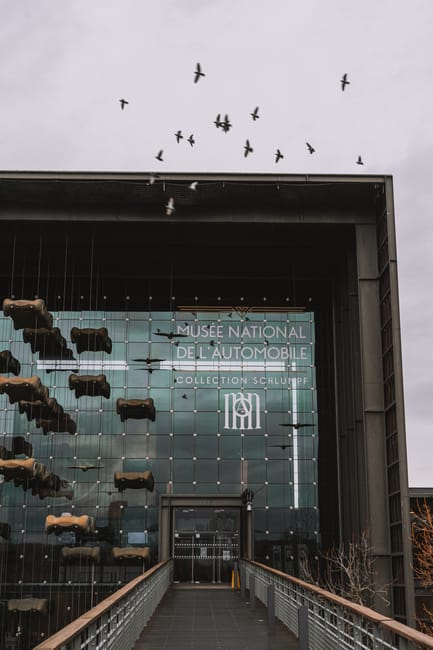
- Opening hours: generally open from 09:30 to 18:00 (may close later for special events; closed on some public holidays). Check the official site www.olympic.org/museum.
- Prices: adult ticket about €18.00; reduced around €12.00; free for under-16s subject to conditions. Temporary exhibitions may have different pricing.
- Responsible behaviour: follow photo rules (flash is often prohibited), don’t touch exhibits, consider using an audio guide to avoid handling paper leaflets, and recycle brochures you don’t need.
Palais de Rumine — Place de la Riponne 6, 1005 Lausanne
- Opening hours: several museums are housed here: Musée cantonal des Beaux-Arts (MCBA), Cantonal Museum of Archaeology and History, etc. Typical hours: 10:00–17:00; check each museum for temporary exhibition times.
- Prices: access to some permanent collections can be free or reduced; temporary exhibitions typically range from €8.00 to €15.00 depending on the event.
- Responsible behaviour: heed curators’ instructions, use designated stroller areas, and avoid leaving large bags unattended in exhibition rooms.
General tips for museums and monuments:
- Book tickets online to skip queues and reduce paper ticket use.
- Choose small-group tours led by certified local guides: they tend to have a smaller impact and support the local cultural economy.
- If you take photos, respect restricted areas and turn off flash to protect artworks.
3) Eating and buying local and sustainable: markets, restaurants and responsible shopping
Eating and buying locally in Lausanne supports farmers, artisans and shopkeepers while cutting transport-related impacts. Here are concrete places and tips for responsible consumption.
Riponne Market — Place de la Riponne, 1005 Lausanne
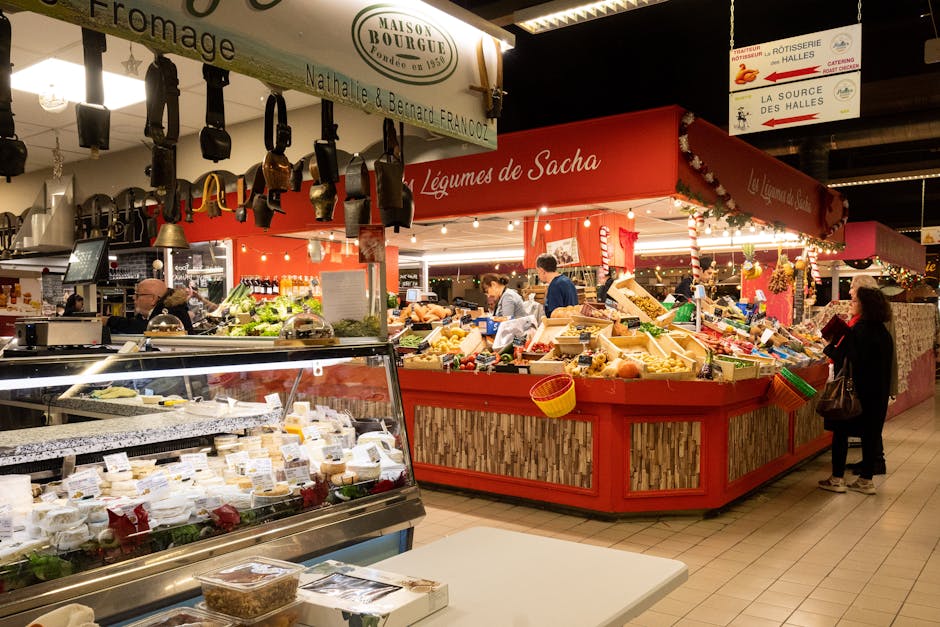
- Opening hours: the market usually runs Tuesday, Thursday and Saturday mornings, from 06:00 to 13:00 (hours vary by season).
- Products: local fruits and vegetables, cheeses (Swiss cheeses like Vacherin, Gruyère), lake fish, flowers and artisanal goods.
- Tips: bring reusable bags, favour seasonal produce and chat with producers to learn about their farming methods. Avoid excess plastic packaging.
Restaurants and cafés:
- Choose places that show traceability, work with local suppliers or offer vegetarian/vegan options. Look for neighbourhood eateries in Le Flon, Rue de Bourg or along the lakefront that list ingredient origins on their menus.
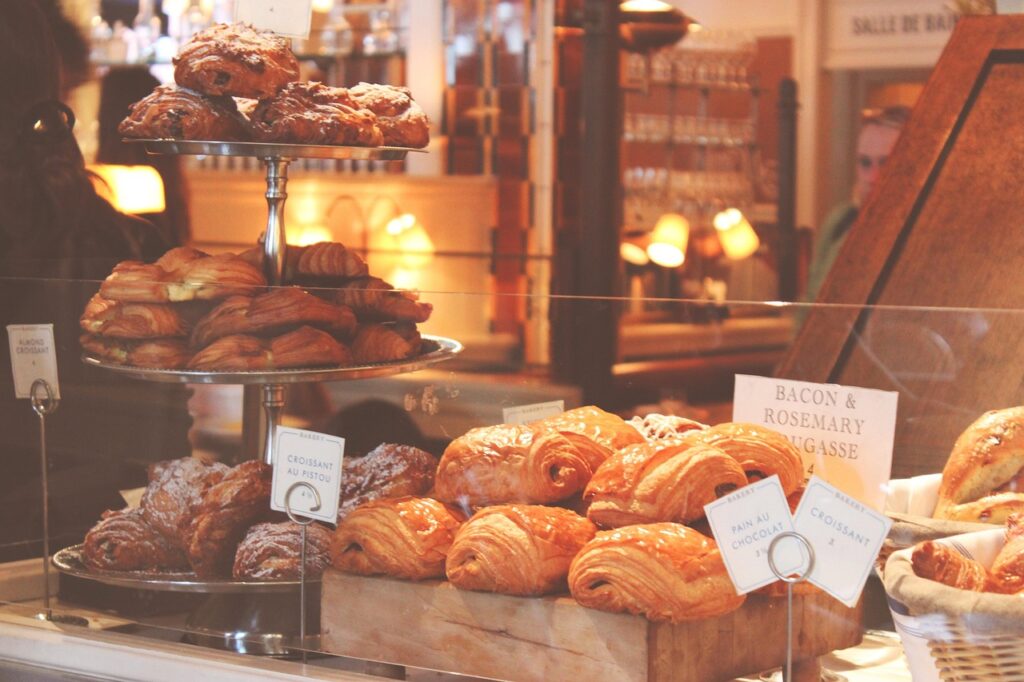
- Budget tip: a meal at a local bistro can range from €15.00 to €35.00 depending on the place; a coffee and pastry at an artisanal bakery roughly €6.00–10.00.
- Avoid waste by sharing dishes if portions are large and ask for a takeaway box when possible — most Swiss restaurants will pack leftovers.
Shops and souvenirs:
- Buy useful, locally made souvenirs: artisan products, books from local publishers, Swiss chocolate from small producers (expect to pay about €5.00–15.00 for an artisanal bar).
- Avoid mass-produced, low-cost trinkets that create waste and don’t benefit the local community.
Social impact:
- Support businesses that employ locally and promote social inclusion.
- Prefer electronic or contactless payments to reduce paper usage, but keep some local cash for market stalls.
4) Respect nature and public spaces: the lake, parks and protected areas
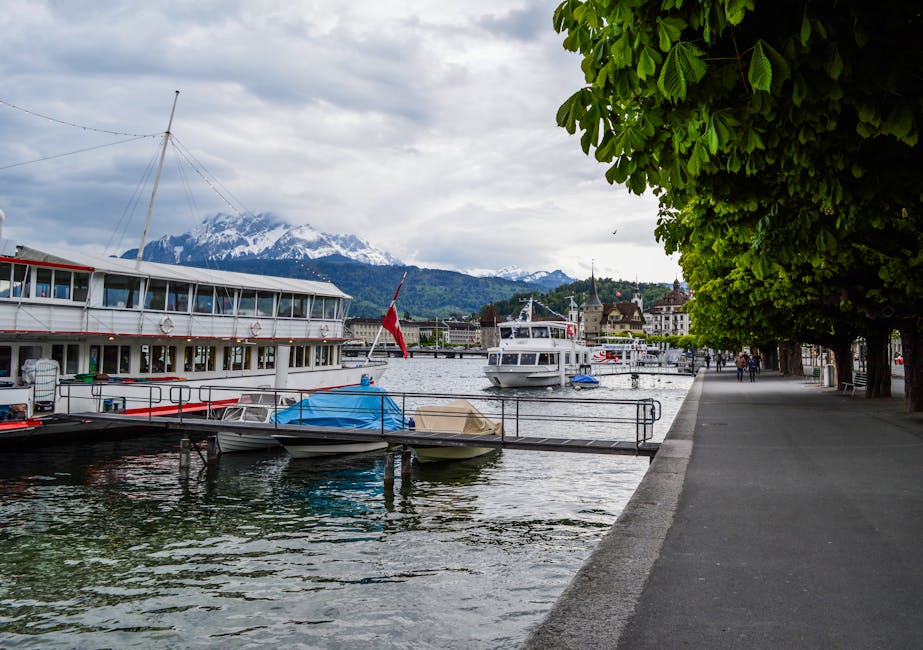
The shore of Lake Geneva and Lausanne’s green spaces are central to the city’s appeal. Protecting them requires simple but essential behaviours: don’t leave litter, respect local wildlife, swim only in authorised areas and follow rules about fires and camping.
Swimming and the shoreline:
- Swimming areas: Ouchy beaches (Quai d’Ouchy 1, 1006 Lausanne) and Vidy Beach (Vidy, 1007 Lausanne) are popular. Public beaches are free.
- Behaviour: leave no trace: take your rubbish with you, don’t use soap or shampoo in the lake, and follow signs marking protected natural zones.
- Safety: if you swim, do so in supervised areas, obey swimming instructions and avoid busy boat lanes if you’re in a small non-motorised craft.
Parks and green spaces:
- Mon Repos Park and Parc de Milan are examples of green areas where picking protected plants, lighting fires or camping is forbidden. Always follow on-site information signs.
- Keep dogs on a leash in sensitive areas; always pick up after your pet and use the dedicated bins.
- If you spot rare species or environmental issues (floating rubbish, pollution), report them to municipal services via the City of Lausanne platform or call the appropriate emergency number.
Outdoor events:
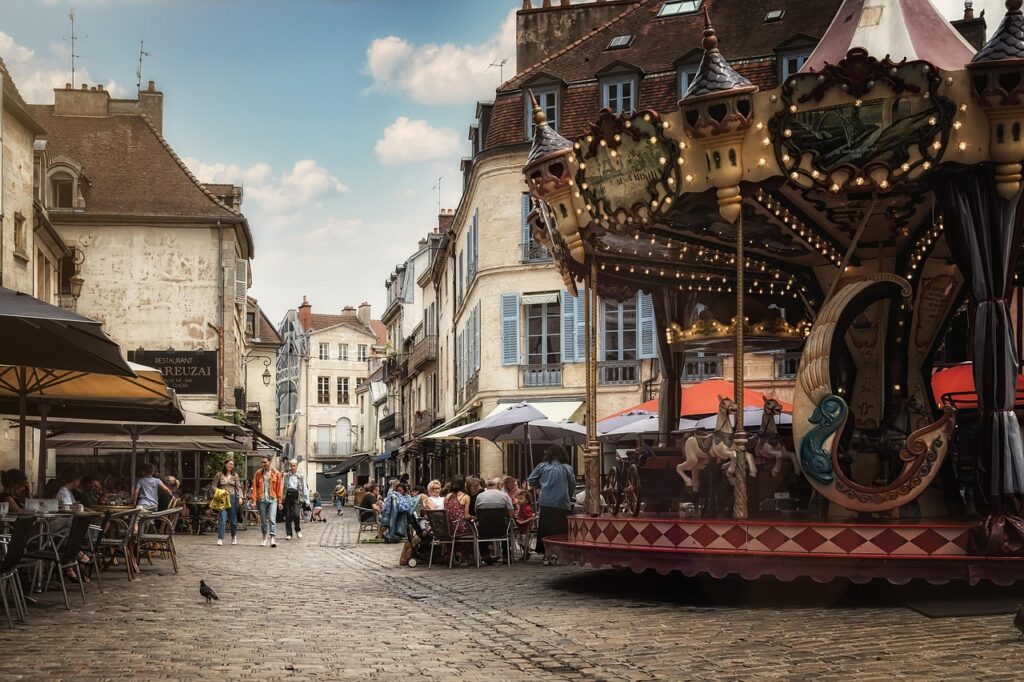
- Festivals and seasonal events can produce a lot of waste. Use recycling stations, bring a reusable cup when possible and limit disposable plastic use.
- Respect event end-times to reduce noise disturbance in residential areas.
Conclusion: Responsible travel in Lausanne — a daily, rewarding commitment
Adopting responsible behaviour when visiting Lausanne is more than ticking eco-friendly boxes: it’s a considered commitment to the city, its people, its heritage and its ecosystems. By favouring TL public transport and CGN boats, respecting rules at sites like Lausanne Cathedral (Place de la Cathédrale, 1005 Lausanne) and the Olympic Museum (Quai d’Ouchy 1, 1006 Lausanne), and consuming locally at Riponne Market (Place de la Riponne, 1005 Lausanne) and in small artisan bakeries and restaurants, you make a tangible contribution to preserving the quality of life in Lausanne.
Small gestures — bringing a refillable bottle to use public fountains, using reusable bags at market stalls, booking tickets online to cut paper use, and observing quiet hours in residential neighbourhoods — add up. They reduce waste, lower emissions, support the local economy and help keep cultural and natural sites accessible and beautiful for future generations.
Finally, responsible travel enriches your own experience: it encourages interaction with locals, reveals off-the-beaten-path addresses like independent bookstores or craft workshops, and helps you appreciate the city’s human and natural dimensions. With its hills, lake and heritage, Lausanne is especially well-suited to thoughtful exploration. By respecting places (museum hours and rules, Cathedral guidelines), people (shopkeepers, residents) and the environment (shoreline, parks), you’ll turn your visit into a positive exchange.
Before you go, keep these priorities in mind: plan your trips wisely, buy local, cut waste, respect the schedules and privacy of sacred sites and residential areas, and support cultural institutions by choosing guided tours or donating if you can. Lausanne will reward you with memorable views, authentic encounters and the satisfaction of having travelled responsibly.