



Introduction — Historic Lausanne: Secret Lanes and Private Courtyards Few Visitors See
Lausanne cascades down terraces toward Lake Geneva, but it’s by wandering its narrow lanes and private courtyards that you’ll really sense the city’s soul. Less hyped than the Ouchy waterfront or the Cathedral, these cobbled passages, discreet doorways and hidden alleys tell centuries of history: from a mercantile Middle Ages to the urban remakes of the 18th and 19th centuries, and today’s efforts to preserve a built heritage often overlooked. This guide invites you on an immersive, practical walk designed for curious travelers who want to go beyond the main sights and peek behind the scenes of a lively European city.
You’ll find exact addresses, indicative opening hours, prices in euros and sensory descriptions to help you spot places at a glance. I’ve focused the route on compact areas: the medieval hilltop around the Cathedral, the Bourg slopes with their townhouses and passages, the Riponne quarter hiding university courtyards, and a few lesser-known alleys that lead to interior gardens and private backyards. Each section also offers local tips — the best time of day for flattering light, how to politely ask to enter a private courtyard, and what to look for to read the layers of history in the fabric of the buildings.
Lausanne is a city where sight and sound shift quickly: a stone staircase swallows footsteps, a fountain drips in time with nearby conversations, and facades display dates, coats of arms and window surrounds that trace successive owners. The lake tempers Lausanne’s climate, which also affects the walk: long summer evenings are perfect for sunlit courtyards, while in winter the south-facing alleys shelter warmer nooks. Practical details (addresses, hours, prices) are given in euros to help planning, but bear in mind some venues and services charge in Swiss francs; it’s handy to have a small amount of local cash or an internationally accepted card.
This guide keeps an informative, professional tone: you’ll find suggested routes, visual cues and behavior recommendations to help preserve the private nature of some places. The courtyards I describe are mostly accessible, sometimes only on request or during cultural events (open days, Heritage Days). Respecting residents and institutions is essential: shoot without flash, avoid entering spaces marked “private” and ask permission before photographing a residential courtyard. And keep a good pair of shoes to hand — cobbles and stairs are part of the Lausanne experience.
The Medieval Hill: Notre-Dame Cathedral and Nearby Alleys
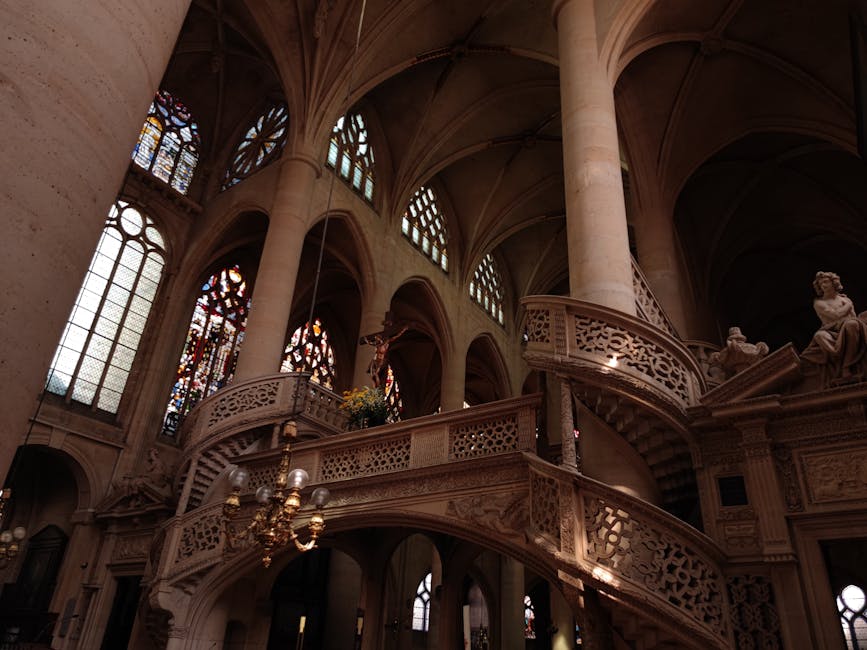
At the heart of Lausanne, Notre-Dame Cathedral towers over the hill since the late 12th century. Address: Place de la Cathédrale, 1005 Lausanne. Entry to the nave is free, but access to the cathedral tower is ticketed: indicative price €5.00 (adult). Hours: the cathedral is generally open daily from 08:00 to 18:00; the tower is usually open 10:00–17:00, with extended summer hours — check before you go. Climbing the tower gives sweeping views over slate roofs and the lake; dawn or dusk often yields the best light, accentuating the pale stone against the darker roofs.
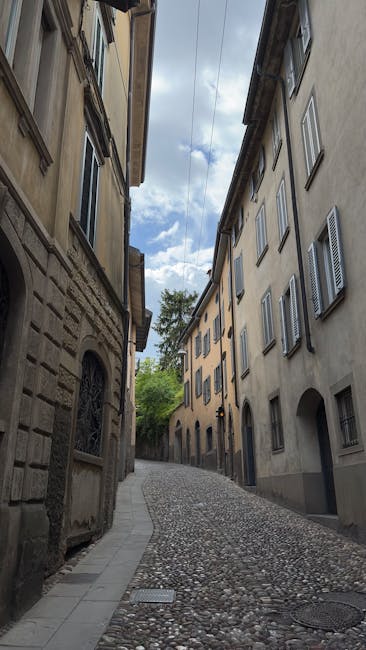
Around the cathedral, wander Rue de la Cité and Rue du Grand-Pont to discover alleys that feel like another century. Rue de la Cité, 1005 Lausanne, still shows half-timbered facades and commemorative plaques. Don’t miss the small Place du Château (Place du Château, 1005 Lausanne), where a craft market sometimes takes place; from this promontory you can see the stepped roofs leading down to the lake. Nearby lanes preserve carved plaques and old shop signs — traces left by blacksmiths, tanners and bakers of bygone trades.
An often-overlooked pleasure is exploring the “vaulted passages” — stone arches spanning parts of the street, creating cool, lime- and moss-scented shadows. These passages are particularly photogenic early in the morning, when low light grazes the walls and the stone reveals its subtle tones. Local tip: pause at Café de la Cathédrale (Place de la Cathédrale 5) for a short coffee before exploring the alleys — average price for an espresso: €2.80; hours: 07:30–18:30.
The Bourg and Its Townhouses: Private Courtyards and Secret Stairs
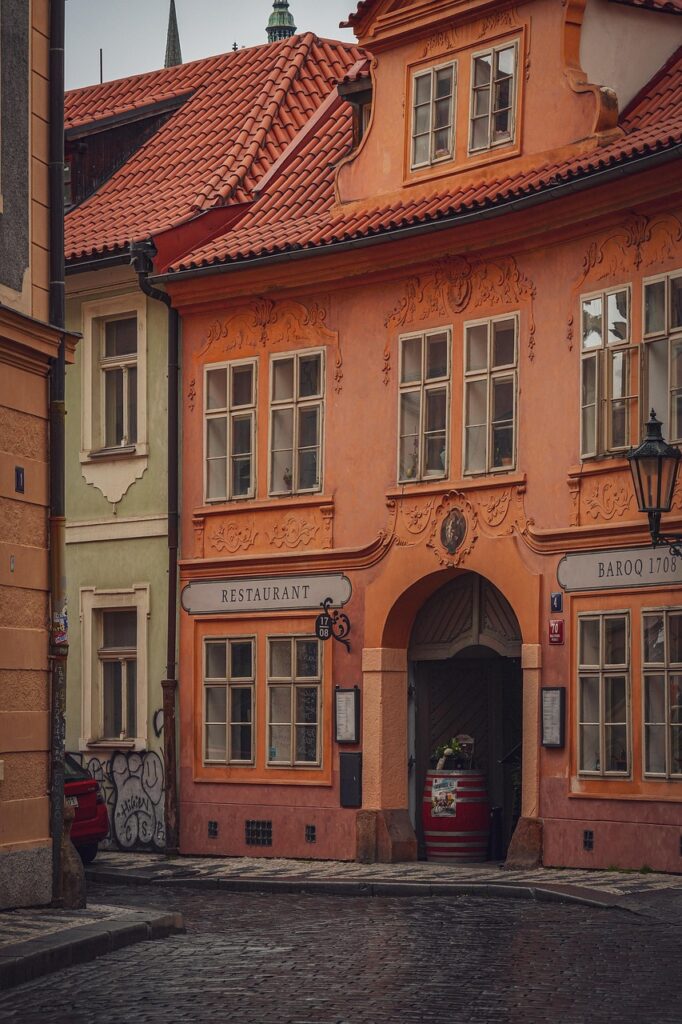
The Bourg quarter, north of the Cathedral, is home to several townhouses and private courtyards that are often closed to the public but can be opened during events or with a polite request. Rue du Bourg is the artery of this sector; central address: Rue du Bourg 15–25, 1005 Lausanne. Facades alternate between richly ornamented neoclassical fronts and the 19th-century bourgeois restraint. As you stroll, spot carved wooden gates and wrought-iron knockers — many have an intercom or doorbell: when in doubt, ask the concierge for permission to take a respectful peek into the courtyard.
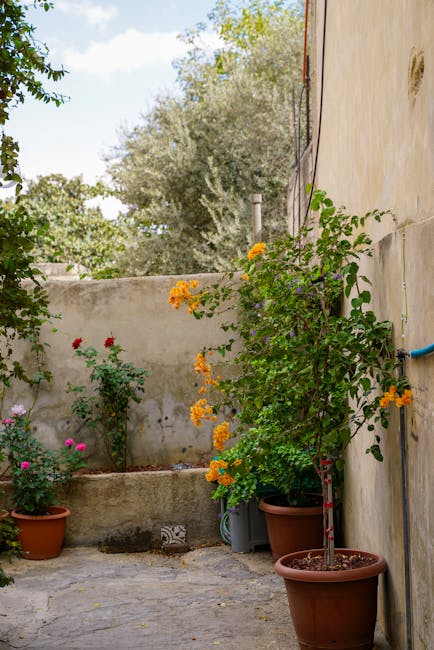
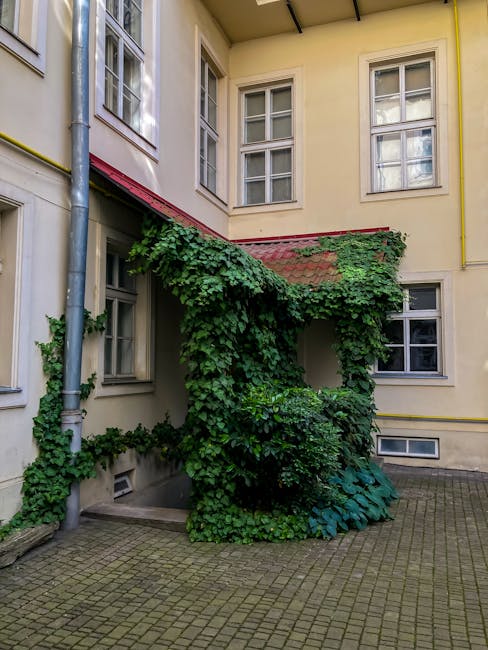
Courtyards to look out for include Cour du Grand-Bourg (sometimes accessible during Heritage Days), Cour des Ursulines and Cour de la Mauranderie. They typically feature: a central well, ivy-clad walls, wooden staircases leading to galleries, and occasional hidden frescoes. Reference address: Cour de la Mauranderie, access via Rue du Petit-Chêne 20, 1005 Lausanne. These intimate spaces are peaceful oases, where you’ll hear only a gutter’s drip and the rustle of leaves. They’re also great spots to understand the mixed uses of buildings (residences, workshops, small administrative offices).
For architecture buffs, stop by the Town Hall (Hôtel de Ville, Place de la Palud 2, 1003 Lausanne) and continue to Villa Saint-Jean and its gardens (Avenue de Villamont 2, 1005 Lausanne) — some private gardens open occasionally for exhibitions or private concerts. Entry fees for such events are often symbolic, between €3.00 and €10.00; hours vary — check local calendars on the Lausanne tourism website. Local tip: favor late afternoon to avoid tour groups and enjoy soft light on the old stones.
Palais de Rumine and Riponne: University Courtyards and Hidden Museums
Place de la Riponne and its surroundings form a microcosm where public buildings and private courtyards coexist. Palais de Rumine, exact address: Place de la Riponne 6, 1005 Lausanne, houses several museums (Cantonal Museum of Fine Arts, Cantonal Museum of Archaeology and History). Museum entry prices vary: the Cantonal Museum of Fine Arts typically charges around €8.00–€12.00 depending on the exhibition. Hours: generally 10:00–17:00, closed Monday — check each museum for specific opening times.
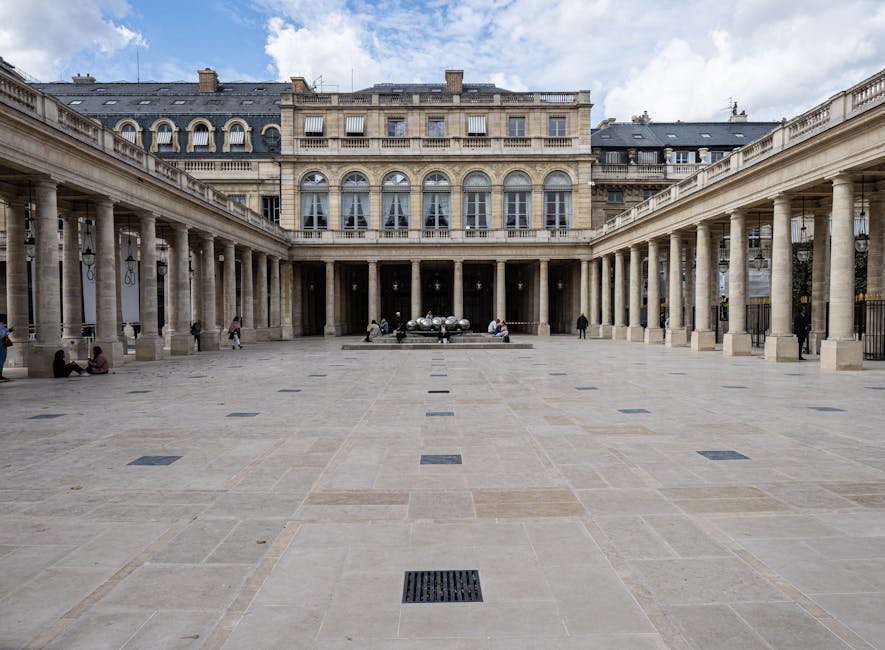
The Palais opens onto an impressive inner courtyard, often freely accessible during museum opening hours. This courtyard is an ideal vantage point for studying the building’s neo-Renaissance architecture and ornamental sculptures. Nearby, Rue du Petit-Chêne and Rue de la Mercerie conceal small apartment courtyards and passages leading to the backs of shops, rarely used by hurried passersby. Useful address: Rue du Petit-Chêne 7–11, 1003 Lausanne. These yards still function as storage spaces for merchants and reveal the typical back-shop layouts of historic centers.
Another discreet but notable spot is the Cantonal and University Library (BCU Lausanne), located at Boulevard de Grancy 10, 1006 Lausanne; the exterior sometimes opens onto quiet patios and a small archived gallery. Access to reading rooms is usually reserved for registered users, but public exhibitions and open days allow access to heritage halls. Price: temporary registration for an external reader may cost around €5.00–€10.00 per day; hours: 09:00–18:00 on weekdays, reduced or closed at weekends.
Practical Tips and Proper Behavior in Private Courtyards
Visiting Lausanne’s private courtyards requires both curiosity and tact. Many of these spaces are inhabited or used by institutions; they’re not public in the strict sense. Here are some rules and tips to enjoy your discoveries without upsetting residents:
- Ask politely: if a courtyard is closed by a gate or badge entry, look for an intercom or doorbell and request permission. A simple “Hello, I’m a visitor admiring the neighborhood — would it be possible to have a quick look in the courtyard?” is often enough.
- Respect opening times: avoid walking through courtyards early in the morning or late at night when people’s privacy is most sensitive. Best times are 10:00–12:00 and 16:00–18:30.
- Photograph discreetly: no flash, and no professional shoots without written permission. For portraits or staged shoots, always ask first and, if needed, offer a small symbolic fee.
- Avoid disturbances: no loud groups, no alcohol or picnics in private communal areas.
- Check locally: the Lausanne Tourist Office (Place de la Palud 2, 1003 Lausanne) sometimes runs themed walks around courtyards and alleys — guided tour prices: €8.00–€20.00 depending on duration and theme; hours: 09:00–17:00.
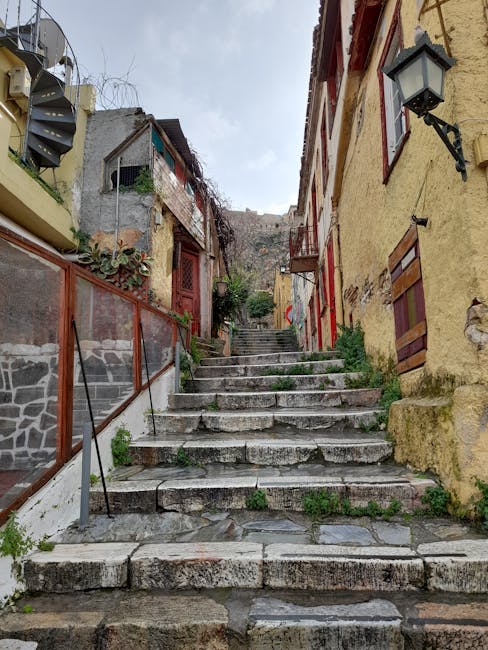
Finally, remember the best discoveries often come when you take your time. Wander without a strict plan, let yourself get lost on a rising or falling street, listen to footsteps on the cobbles and look up for lintels, carved dates and sculptures. These details reveal Lausanne’s historical layers: the city reads like a book where each courtyard is an intimate page, often closed but rich in stories for those who approach respectfully.
Conclusion — Preserve Intimacy and Savor the Discovery
Historic Lausanne, with its narrow lanes and private courtyards, offers a route that alternates between public panoramas and suspended moments in secret courts. The addresses mentioned — Place de la Cathédrale 1005 Lausanne, Place de la Riponne 6, Rue du Bourg / Rue du Petit-Chêne and other reference points — serve as anchors for a respectful, well-documented exploration. The experience is sensory: stone, wood, wrought iron and ivy form a tactile and visual palette that shifts with the season and time of day.
Respect and curiosity are key to accessing these places. Many courtyards open during events (Heritage Days, university exhibitions, private concerts); check with Lausanne Tourist Office (Place de la Palud 2, 1003 Lausanne) for dates and details. Prices mentioned in this guide (museum entries: €8.00–€12.00, cathedral tower: about €5.00, coffees: €2.80) are indicative; they help budget your trip but may change with the season or venue policy.
To wrap up, plan for open-ended discovery: the city is ideal for informed wandering. Bring a good map, comfortable shoes and a discreet camera, but above all come with the attitude of a respectful visitor. Lausanne will reward you with unexpected finds — a rose-scented courtyard, an ancient door knocker, a hidden well, a forgotten mural — and with the priceless feeling of having seen what few travelers take the time to notice. Safe travels and happy exploring in Lausanne’s lanes and private courtyards.