





Introduction: Getting Around Lausanne Safely
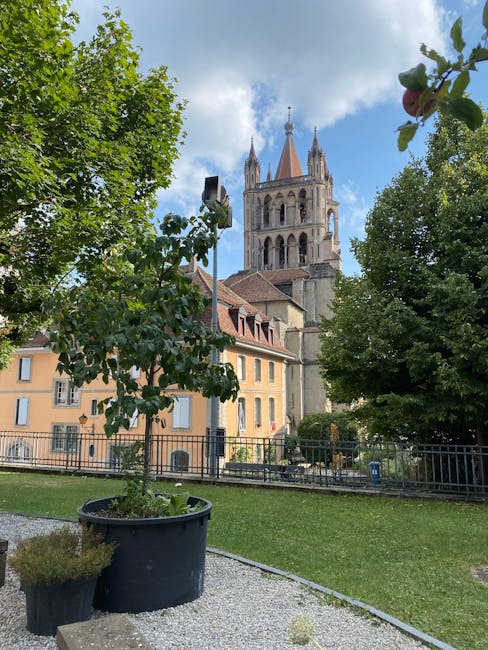
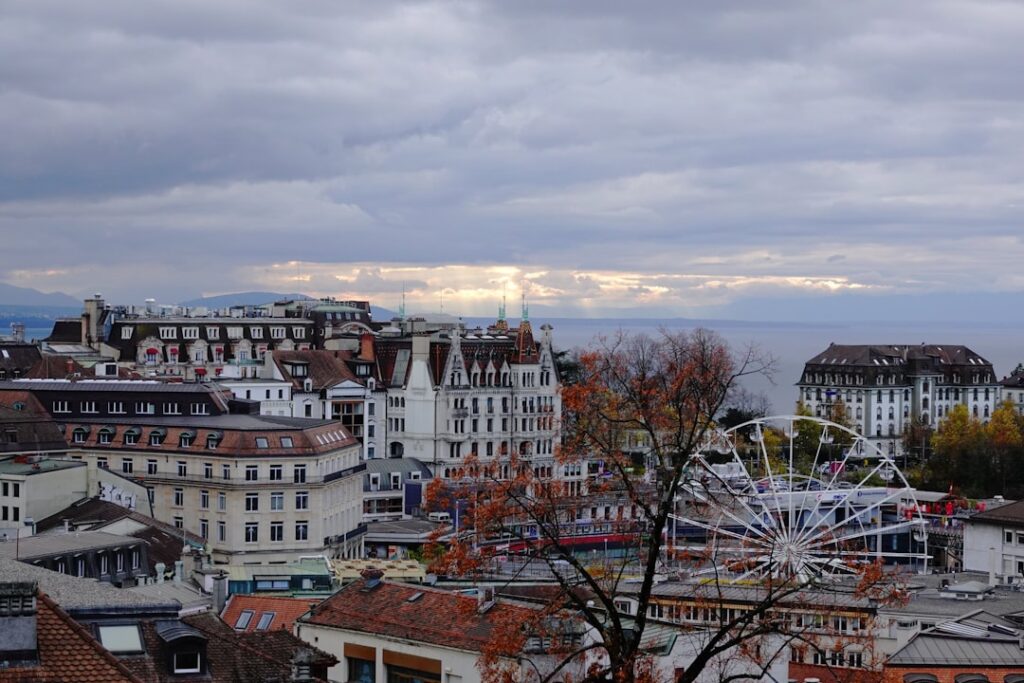
Perched on the shores of Lake Geneva and framed by its Gothic cathedral, Lausanne is a lively city where students, international professionals and tourists mingle. Moving around Lausanne means not only knowing routes and schedules, but also understanding neighborhoods, transport modes and the times when you should stay extra alert. This guide offers a practical, well-documented overview for visitors and newcomers who want to get around Lausanne safely. It combines official information, local tips and precise reference points: exact addresses, indicative prices in euros, service time windows and common-sense recommendations.
Lausanne has a dense public transport network operated by Transports publics de la région lausannoise (tl): metro, buses and trolleybuses efficiently serve the canton. The M2 metro, a vertical automatic line, makes travel between the train station and Ouchy easy, while bus lines fill in urban and suburban coverage. Taxis, ride-hailing services and bike-share options are good alternatives, especially for late-night or door-to-door trips. Fares are usually quoted in Swiss francs (CHF), but for clarity this guide lists approximate conversions in euros.
Knowing the neighborhoods—from the bustling Flon district to lakeside Ouchy, the residential heights of Montbenon and the student-focused Chauderon—helps set expectations for atmosphere and perceived safety at different times of day. Some areas are lively after dark (city center, Flon) while others are quiet but less well lit (outlying residential zones). This guide provides precise addresses like Lausanne Train Station (Place de la Gare 4, 1003 Lausanne), Lausanne Cathedral (Place de la Cathédrale 4, 1005 Lausanne), CHUV (Centre hospitalier universitaire vaudois, Rue du Bugnon 46, 1011 Lausanne), and landmarks to locate transport and emergency services.
Here you’ll find practical advice on choosing the safest times to travel, using the metro and buses securely, which neighborhoods to favor by day or night, and how to quickly access emergency and assistance services. Fare and schedule information was up to date at the time of writing but may change: check official sites (tl, Mobilis Vaud, Lausanne Municipal Police) before you set off. This guide goes beyond facts: it includes local tips (flashlights for some lakeside bike paths, secure waiting areas at the station) and recommendations on practical gear to move around this beautiful Swiss city with peace of mind.
Public Transport: Metro, Bus, Boat and Practical Fares
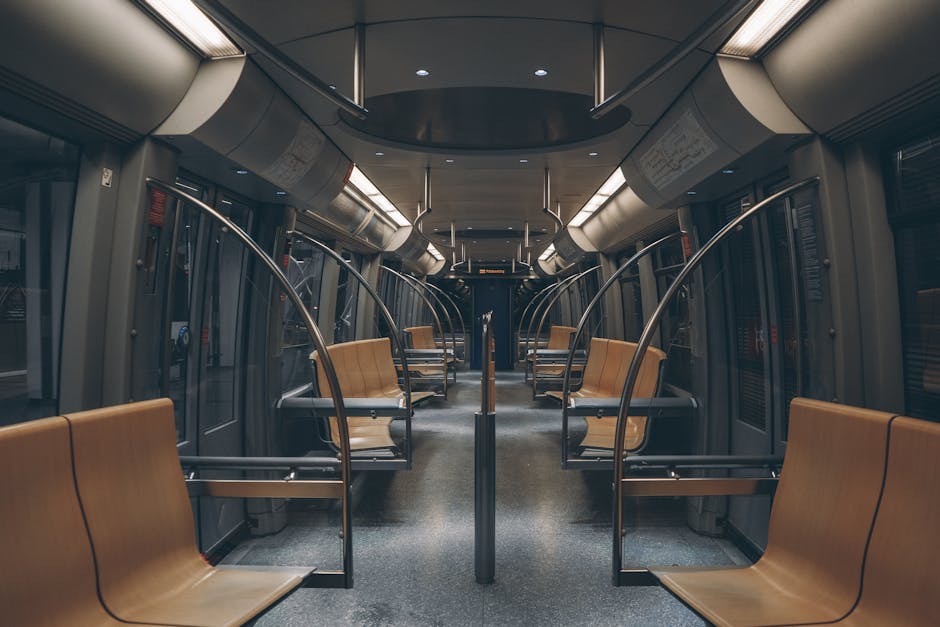
The Transports publics de la région lausannoise (tl) network is the backbone of mobility in Lausanne. The main operator, tl, runs the M1 and M2 metros plus many bus and trolleybus lines. The M2 metro is automatic and runs frequently between Lausanne Train Station (Place de la Gare 4, 1003 Lausanne) and Ouchy-Olympique (Place de la Navigation, 1006 Lausanne). Typical hours: M2 roughly 05:15–00:30 on weekdays, with trains every 4–8 minutes during the day. In the evening frequency drops but services remain regular until around 00:30.
Fares (approximate conversions to euros for readability):
- Single ticket (zone 11, central Lausanne): ~CHF 3.20 ≈ €3.05 (buy via the tl app or ticket machine).
- 24-hour / Mobilis pass: day ticket for Lausanne zones (Mobilis zone 11) ~CHF 6.60 ≈ €6.30.
- Mobilis day pass for multiple zones: depends on the number of zones, e.g. 2 zones ~CHF 9.20 ≈ €8.75.
Safety tips for public transport:
- Rush hours: 07:00–09:00 and 16:30–18:30 — stations like Lausanne Train Station and Chauderon get very crowded; keep your belongings close.
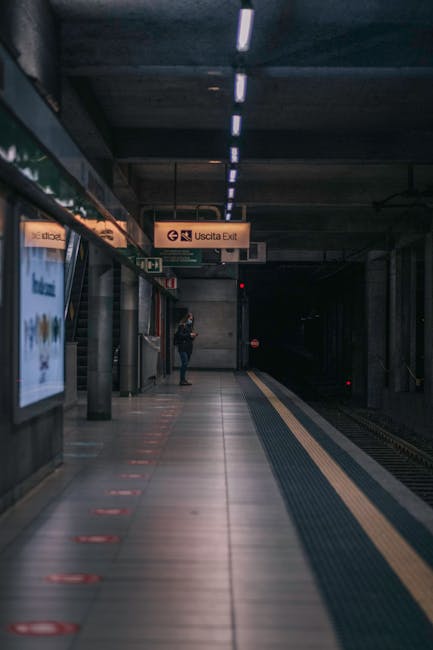
- Late trains and buses: after 23:30, favor well-lit stations (Lausanne Train Station, Lausanne-Flon, Ouchy). Stops with cameras are marked by icons.
- Boats: CGN (Compagnie Générale de Navigation) services link Lausanne-Ouchy with other ports; schedules and fares vary by season. Example: Lausanne–Évian crossing ~CHF 20 ≈ €19 (seasonal).
- Check the tl app (iOS/Android) for real-time schedules, disruptions and temporary closures.
Taxis and ride-hailing services complement public transport: official taxi ranks are in front of Lausanne Train Station (Place de la Gare 1) and at Ouchy. Typical fare: initial charge ~CHF 6–7 ≈ €6–€6.70, then ~CHF 3.50–4.00 per km ≈ €3.30–€3.80. Bike-share schemes (Migros Bike and Lime/Dott e-scooters where available) are handy for short trips — respect pedestrian zones in the center and parking rules.
Neighborhoods: Where You’ll Feel Safe by Day and Night
Lausanne is made up of neighborhoods with very different vibes: from the very central Flon to peaceful Montbenon. Knowing these differences helps plan routes with safety in mind.
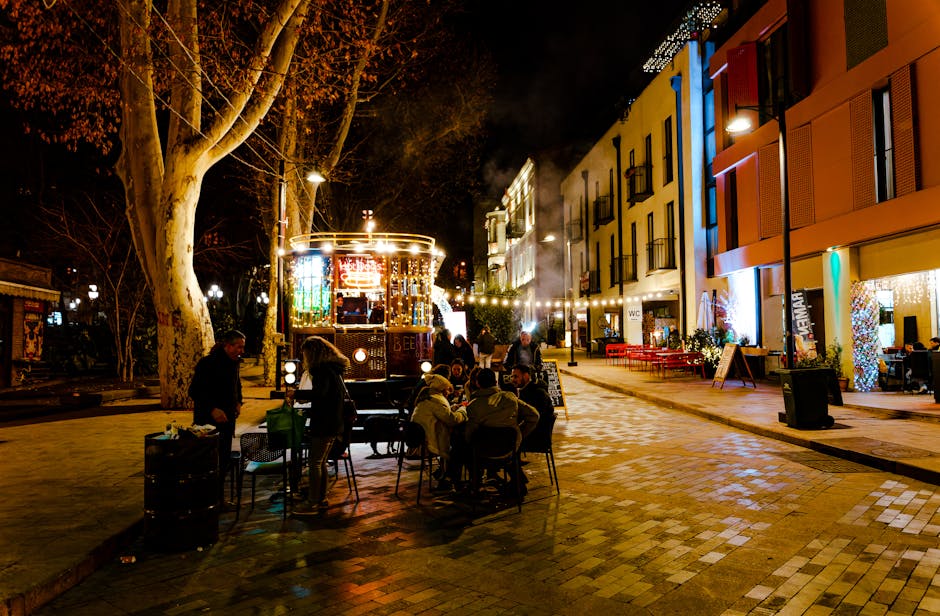
Le Flon (Place du Flon, 1003 Lausanne) — nightlife and shopping hub: lively by day and night with bars, restaurants and malls. General safety is good thanks to crowds and CCTV. Watch out for pickpockets during events. Tip: stick to well-lit routes and keep bags in front of you in crowded places.
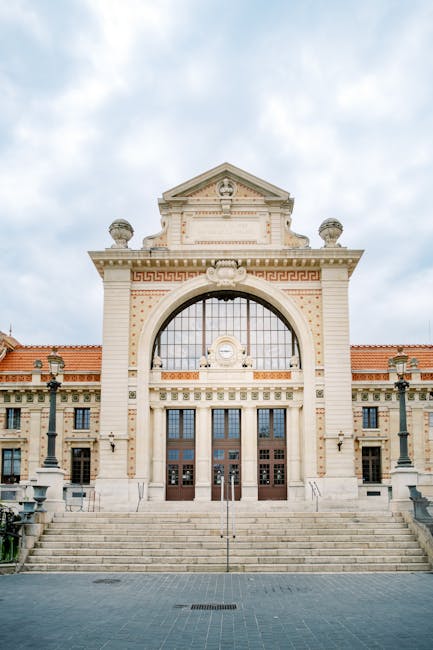
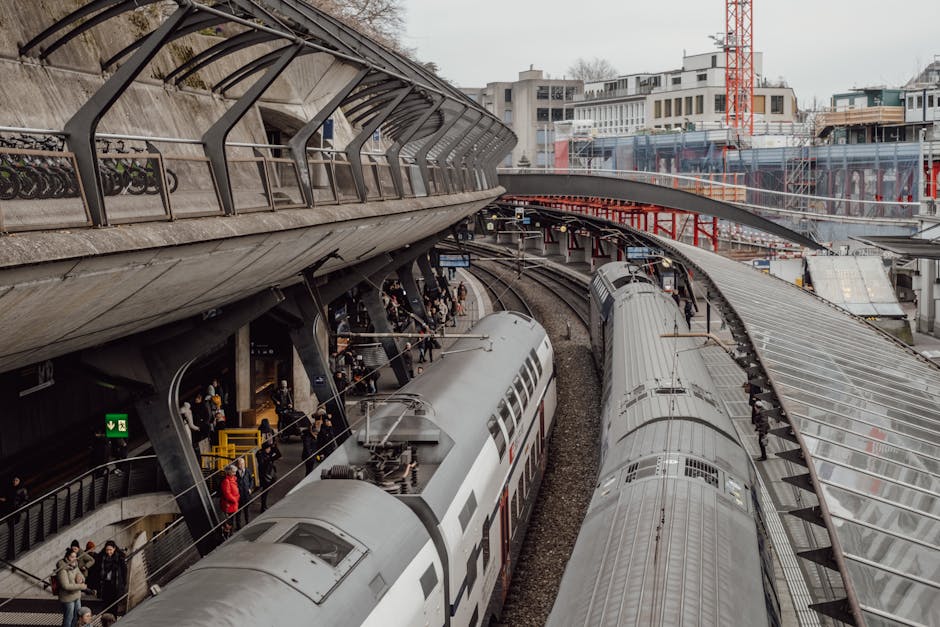
Lausanne Train Station (Place de la Gare 4, 1003 Lausanne) — transport hub: very busy area with assistance services and railway police. Pros: good lighting and staff presence. Cons: crowded spaces where petty theft can occur. Tip: use official waiting areas and luggage lockers if you’re waiting late.
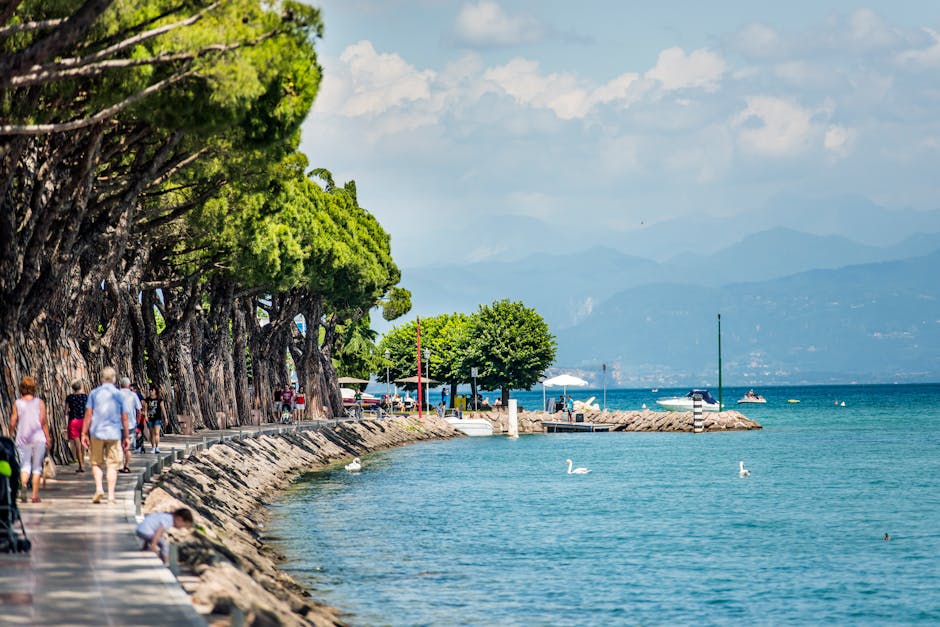
Ouchy (Place de la Navigation, 1006 Lausanne) — lakeside promenade and tourism: very safe, popular with tourists and families. Good option for returning at night after a walk by the lake. Note: some stretches of the lakeside can be less well lit late at night — stick to the main promenade.
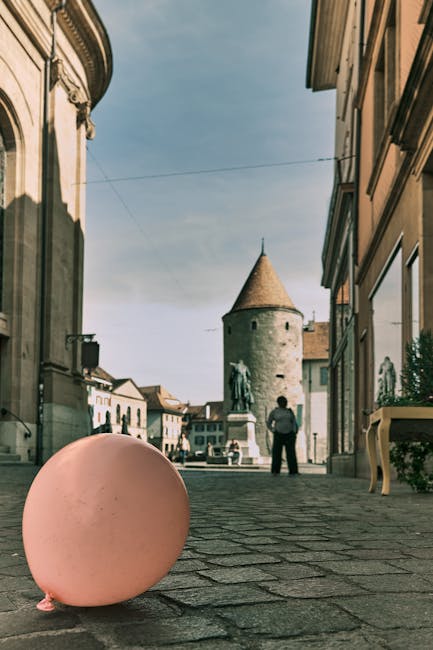
Chauderon and City Center (Chauderon, 1003 Lausanne / Place de la Palud, 1003 Lausanne) — shopping and university areas: generally secure, with shops open late and many students around. The residential Montbenon area, around the Esplanade de Montbenon (Avenue du Théâtre 1, 1005 Lausanne), is calm and well lit.
Areas to be cautious about: some peripheral thoroughfares can be quieter at night (e.g. roads near Route d’Oron to the east). These aren’t inherently dangerous, but lighting and public transport frequency are lower. If in doubt at night, choose an official taxi or take the metro to a central, busy station.
Safe Hours and Night Safety: What to Know
Getting around Lausanne at night is very doable, but adapt your route and transport choice to the hour. Here are time-based guidelines and practical tips:
- 06:00 to 21:30: the safest window for walking or using public transport. Main stations and shopping streets are busy and well-populated.
- 21:30 to 00:30: the M2 metro and main lines still run; opt for direct trains and well-lit stations (Lausanne Train Station, Lausanne-Flon, Ouchy).
- After 00:30: night service is limited; the Noctambus (weekend night lines) may serve some neighborhoods. On weekdays, favor official taxis/VTC or plan to return before metro services end.
Practical recommendations:
- If you travel alone after 23:00, tell someone your route and expected arrival time.
- Use stops and stations with cameras and public lighting. Sections of the city center around Rue Centrale and Avenue de la Gare are among the best monitored.
- Avoid keeping valuables visible (camera, smartphone) in a back pocket; use an inner pocket or a front-worn bag.
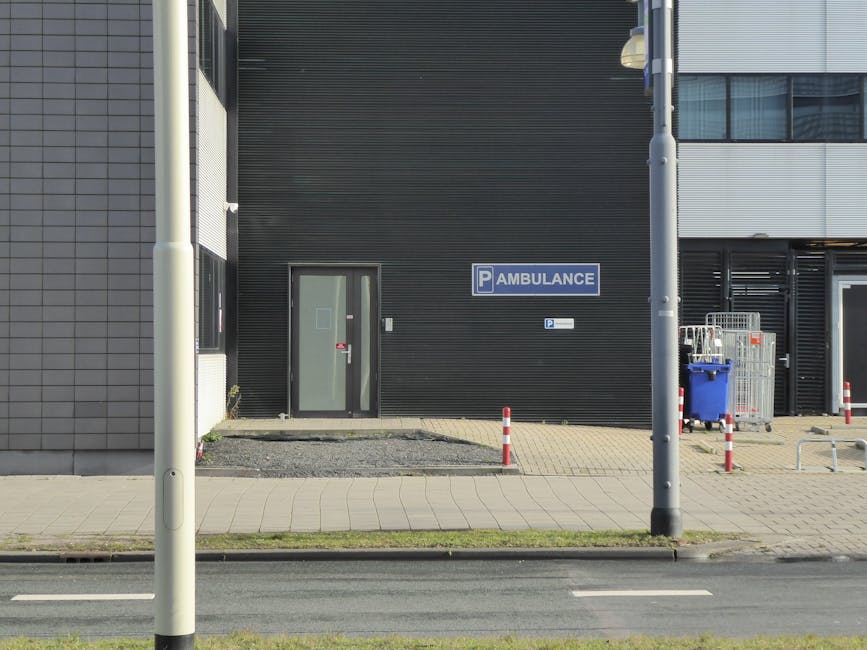
In case of an incident, Swiss emergency numbers are: 112 (European emergency), 117 (police), 144 (ambulance). For non-urgent assistance, Lausanne Municipal Police can be reached at Service de la Police Municipale, Rue du Petit-Chêne 30, 1003 Lausanne (office hours 08:00–17:00; the non-urgent number is listed on the official site).
Practical Tips, Useful Services and What to Do in an Emergency
Beyond transport and neighborhoods, a few practical habits and contacts make all the difference. Here’s a list of useful addresses, services and concrete tips:
- Lausanne Tourism (Tourist Office) — Place de la Palud 6, 1003 Lausanne. Hours: typically 09:00–18:00 (may vary by season). Services: maps, advice, tickets. Cost: information is free; attraction tickets sold on site (prices vary).
- Centre hospitalier universitaire vaudois (CHUV) — Rue du Bugnon 46, 1011 Lausanne. Open 24/7. Emergency department: for serious injury or sudden illness. Bring your insurance card and ID.
- Police — Service de la Police Municipale, Rue du Petit-Chêne 30, 1003 Lausanne. For reporting theft, non-urgent assault or other incidents, consult their office or website for opening hours and procedures.
- Lockers and luggage storage: Lausanne Train Station offers automatic lockers (Place de la Gare 4) — handy if you want to explore the center without your bags.
What to do in case of assault or theft:
- If you witness or are the victim of a dangerous situation, call 112 or 117 immediately.
- Keep any evidence (photos, messages, receipts) and go to the police station to file a report. Municipal or cantonal officers will guide you through administrative and legal steps.
- Contact your embassy or consulate if your passport is stolen; they can help arrange temporary travel documents.
Finally, a few local tips: carry a small flashlight if you plan to walk along less-lit lakeside paths; download the tl and SBB apps (for train connections); check the information boards at Lausanne Train Station before a late departure; and use major stations to board or disembark at night.
Conclusion: Getting Around Lausanne with Confidence
Lausanne is generally a safe city with good infrastructure for urban travel. By knowing M2 metro hours, the location of key stations (Lausanne Train Station, Lausanne-Flon, Ouchy), approximate fares in euros for single tickets and day passes, and where essential services are located (CHUV, Municipal Police, Tourist Office), you can plan your journeys confidently. Central neighborhoods like Le Flon, the train station and the lakefront at Ouchy offer good safety thanks to activity and lighting — smart choices for evening outings. Some peripheral, less-lit areas warrant extra caution at night — in those cases prefer official transport or a taxi.
Timeless common-sense tips — stay aware in crowds, keep valuables close to your body, avoid poorly lit shortcuts — apply in Lausanne as in any big city. Use the official tl and SBB apps for real-time schedules, remember emergency numbers (112, 117, 144), and know where assistance services are located (CHUV, Municipal Police, Lausanne Tourism). With these concrete reference points, exact addresses and local tips, getting around Lausanne will be smoother and more reassuring whether you’re a resident, student or visitor. Enjoy the city and its heritage — Lausanne Cathedral, lakeside walks, parks and cafés — while keeping these good practices in mind for a safe stay.