





Introduction — Why explore Lake Geneva from Lausanne without falling for tourist traps
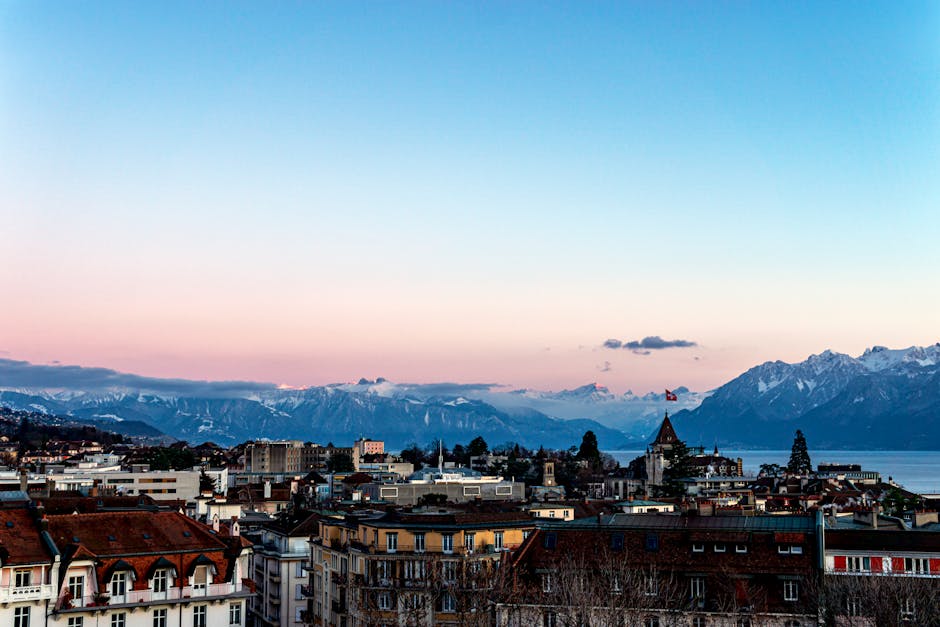
Lausanne is an ideal gateway to Lake Geneva: a lively city with focused museums, medieval alleys and direct access to shores that stretch to Geneva and Montreux. Yet it’s easy to get swept into cookie-cutter routes — overcrowded promenades, overpriced restaurants serving the same “local” plate, or characterless souvenir shops. This guide is for travelers who want an authentic experience, balancing must-sees with local discoveries, without sacrificing enjoyment or convenience.
What follows is an itinerary planned from Lausanne, with exact stops, full addresses, opening times and prices in euros, plus practical tips to dodge tourist traps. The goal: savor Lake Geneva and its surroundings at a slow-travel pace — walk, pause, pop into a museum or bookstore, enjoy a coffee and a simple yet quality meal, chat with shopkeepers, and choose moments outside peak hours. You’ll find alternatives to crowded “hotspots” (for example, take Ouchy promenade early in the morning instead of at noon, or visit the Collection de l’Art Brut outside the high season), suggestions for cafes and local markets, and routes easily reachable on foot or by public transport from central Lausanne.
This guide also explains typical costs: museum tickets, urban transport, cafés and small restaurants where you can eat well without breaking the bank. Addresses are exact so you can drop them into your navigation app and find your way easily. Opening hours are listed so you can plan your days — note that many places close on Mondays. You’ll also get tips for photographing landscapes without the crowd, plus alternative scenic and sensory stops (parks, viewpoints, markets) that offer a more intimate, more genuine take on Lake Geneva.
1) Lakeside morning: Ouchy and the peaceful promenade
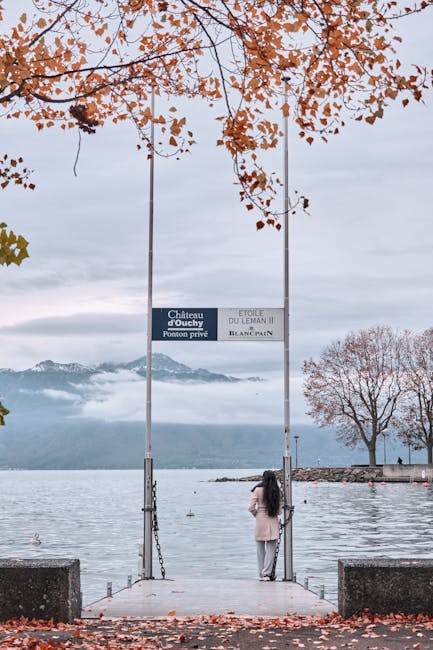
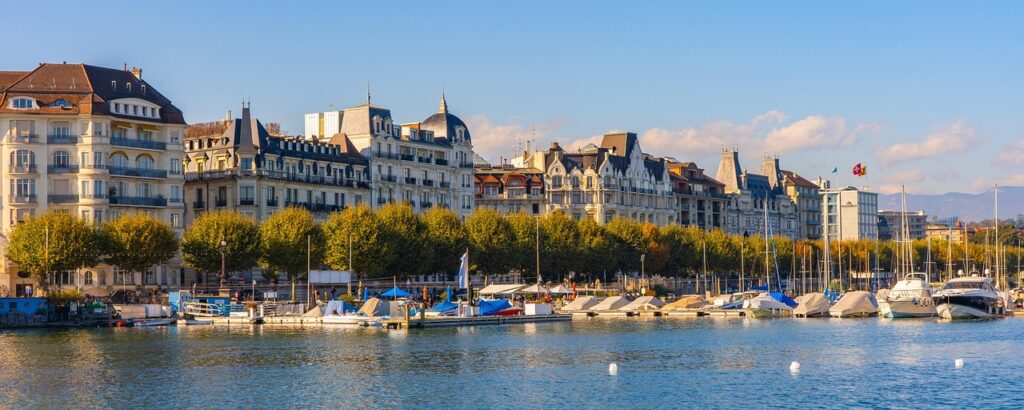
Start early to enjoy the lake in peace. The Ouchy neighborhood is the perfect base: Quai d’Ouchy 2, 1006 Lausanne. Take the M2 metro from Gare de Lausanne (Place de la Gare 12, 1003 Lausanne) toward Ouchy — the ride takes about 6–8 minutes. Single ticket (mobilis zone 11): roughly €3.50 (check local machines for current fares). Between 07:30–09:30 the light is soft and joggers are usually the only ones sharing the promenade.
Stroll along Quai d’Ouchy toward the CGN boat pier at Quai d’Ouchy 10, 1006 Lausanne. Boats run regularly; a short scenic crossing Lausanne–Évian costs around €18.00 one-way, depending on season. If you don’t want to board, stay on the quay to watch reflections and take photos without the crowds.
For a quality coffee off the tourist track, head to Café de Grancy, Avenue du Rond-Point 2, 1006 Lausanne — usually open 08:00–18:00; a cappuccino is about €3.80. Another local option: Brasserie d’Ouchy, Place du Port 6, 1006 Lausanne, for a simple breakfast (croissant + coffee ~ €7.50). Avoid the terraces right on the quay during peak hours to save 20–40% on your bill.
2) Alternative culture and handpicked museums: Collection de l’Art Brut and Musée de l’Élysée
For a cultural experience away from the usual tourist routes, favor niche museums. The Collection de l’Art Brut, Avenue des Bergières 11, 1004 Lausanne, showcases works created on the margins of academic art. Opening hours: Tuesday–Sunday 11:00–18:00, closed Monday. Adult ticket: around €12.00. The intimate presentation and lack of big crowds let you take your time with singular, often moving pieces.
A few minutes’ walk away, the Musée de l’Élysée, Avenue de l’Élysée 18, 1007 Lausanne, is devoted to photography. Hours: Tuesday–Sunday 11:00–18:00 (closed Monday); adult ticket about €12.00. Their temporary shows are thoughtfully curated. Tip: arrive at opening time or around 16:00 to avoid school groups.
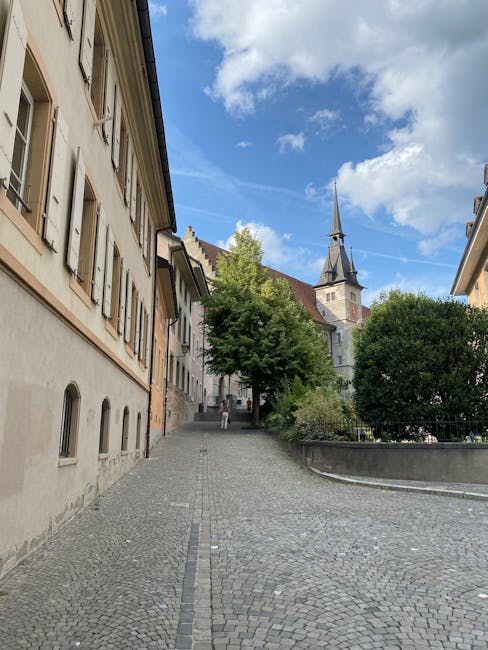
If you prefer a more academic visit, the Palais de Rumine, Place de la Riponne 6, 1005 Lausanne, houses several museums (archaeology, zoology, fine arts). Hours and prices vary by museum, but combined entries are often in the €6.00–€10.00 range. Check the website for current temporary exhibitions. These venues pair nicely with a lakeside walk: after time by the shore, head back into town for coffee and an authentic slice of Lausanne daily life.
3) Lavaux and the terraced vineyards: walks off the beaten track
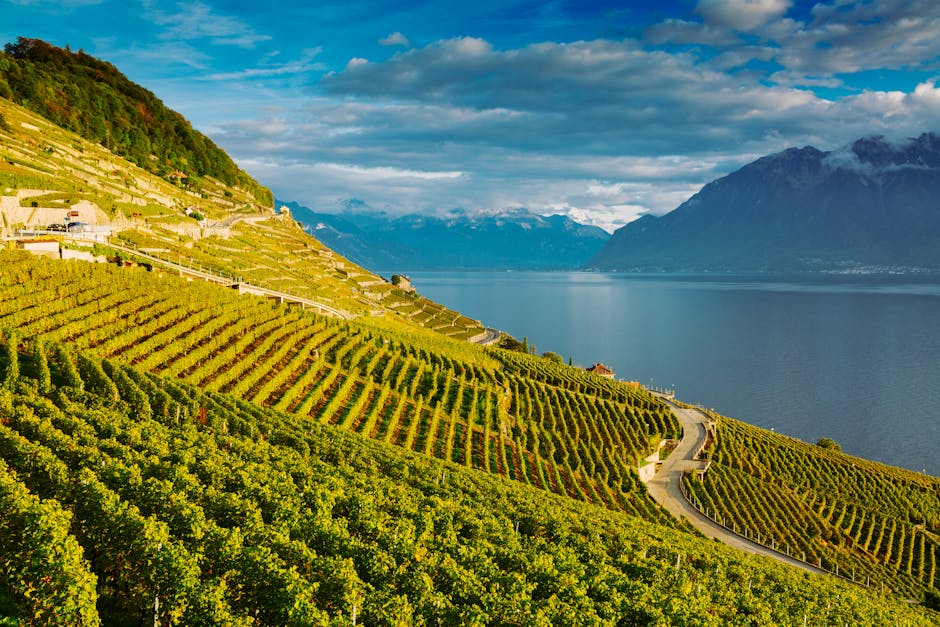
Lavaux, the terraced vineyards listed as a UNESCO World Heritage site, is unmissable but can get overrun by groups. The trick: head out early from Lausanne on a regional train to Station Lutry (Place de la Gare 2, 1095 Lutry) — journey 6–10 minutes; ticket ~ €3.50. From there, take the wine trail toward Dézaley and Chexbres. The route is well marked and offers stunning views of the lake and the Alps.
For a respectful, authentic tasting, choose a small family estate rather than cellars that cater to coach tours. For example, Domaine Bovy, Route de la Corniche 4, 1097 Rivaz, often opens by appointment; a tasting of 4–6 wines is about €12.00–€20.00 per person. Book ahead and ask to see the terraces to learn about their viticultural practices (organic or sustainable methods).
Anti-tourist tips: skip souvenir shops at viewpoint tops, bring your own bottle and a picnic bought at a market (cheese and bread) for a view-side break, and plan to go in the late afternoon for golden light. Return transport: trains from Chexbres-Village or Cully to Lausanne; allow a 30–45 minute buffer in the evening.
4) Real neighborhoods and markets: Flon, Place de la Palud and local markets
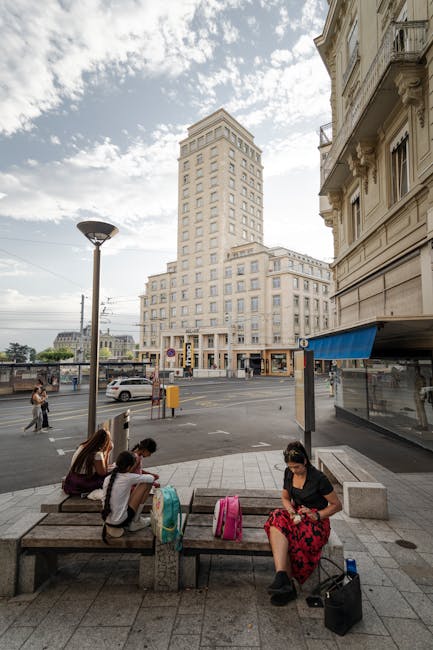
After the waterfront and museums, dive into everyday Lausanne life. The Flon district (Rue du Grand-Pont 1, 1003 Lausanne) has been revitalized and offers cafes, galleries and local shops. Wander off the main streets to discover second-hand bookstores and craft workshops. Shop hours: most open 09:30–18:30; bars and restaurants stay open until midnight.
The Place de la Palud, Place de la Palud 1, 1003 Lausanne, is the historic heart with its fountain and animated clock. The most interesting weekly market for local produce is held at Place de la Riponne (Place de la Riponne, 1005 Lausanne), usually on Saturday mornings. You’ll find cheeses, charcuterie, artisan breads and flowers — budget for a nice picnic basket: around €12–€20.
A reliable tip to avoid tourist traps: pick a bistro frequented by locals. For example, Le Café Saint-Pierre, Rue Saint-Pierre 3, 1003 Lausanne, serves daily specials around €15–€20 and is popular with residents for its straightforward, honest cooking. Another trick: check busy times — lunch between 12:30 and 13:30 is often peak; aim for 11:30 or 14:30 for shorter waits and more personalized service.
Conclusion — Smart travel around Lake Geneva from Lausanne
Exploring Lake Geneva from Lausanne without falling into tourist traps takes a bit of planning and a willingness to prioritize local, authentic experiences. Start your mornings early on the Ouchy waterfront to enjoy the light and a calm atmosphere, weave in niche museums like the Collection de l’Art Brut and the Musée de l’Élysée, and save a half-day for the Lavaux vineyards while avoiding peak hours. Choosing the right times (mornings, late afternoons) and the right places (small estates, bistros favored by locals) makes the difference between a standard tourist visit and a memorable experience.
Pack drinks and a picnic for vineyard walks, favor local transport (M2 metro, regional trains) and book tickets or reservations directly with venues to avoid middlemen. Check opening times (many museums close on Mondays) and verify prices online — the figures given here (museum entries around €12.00, tastings €12–€20, transport tickets ~€3.50) are guidelines and can vary by season.
Finally, leave room for the unexpected: a local festival, a lakeside concert or an exhibition in an independent gallery can turn a good day into a remarkable one. Lake Geneva and Lausanne reward a slow, attentive and respectful approach: walk, listen, talk and savor — you’ll naturally avoid the tourist traps and take home far richer memories.