





Introduction — Why you should know ambulance services and emergency numbers before visiting Lausanne
Visiting Lausanne, a jewel on the shores of Lake Geneva, brings together stunning views, culture and plenty of outdoor activities. But like in any major city, it’s important for travelers to be prepared for a medical emergency. Knowing the emergency numbers, main hospitals, private ambulance options, and how non-urgent medical transport works will help you act quickly, cut down stress and avoid surprise bills. This practical guide, aimed at tourists and temporary residents, summarizes addresses, opening hours, approximate price ranges in euros and local tips to handle a medical emergency in Lausanne.
Switzerland has a strong, well-organised emergency system: the national ambulance number is 144, and the European emergency number 112 also works throughout Switzerland. In Lausanne you’ll also find a local ecosystem centred on the CHUV (Centre Hospitalier Universitaire Vaudois) with a 24/7 emergency department, the SMUR (Mobile Emergency and Resuscitation Service) attached to hospital resources, and a range of private and voluntary ambulance providers that can handle urgent or scheduled transports. Knowing the exact address of the CHUV, its hours, and alternatives for non-urgent transport can be the difference between fast care and lengthy procedures.
This guide will tell you not only who to call, but where to go in person, what information to have ready when you call (exact location, symptoms, allergies, insurance), local practices (for example frequent collaboration between ambulance crews and the SMUR for critical cases) and how billing and insurance typically work. We include indicative euro price ranges for different forms of medical transport in Switzerland, tips to reduce costs and speed up care, and reminders about local safety rules.
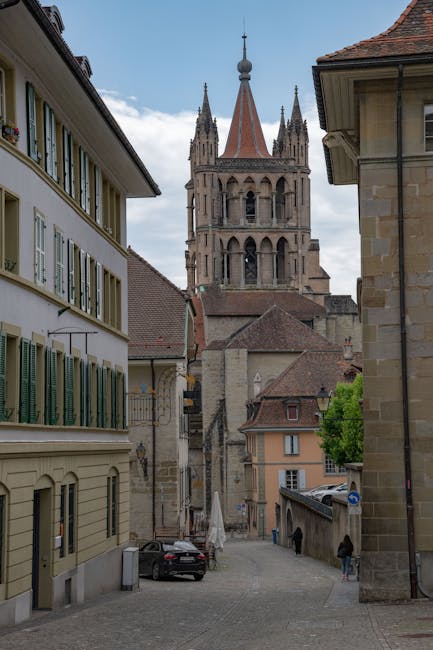
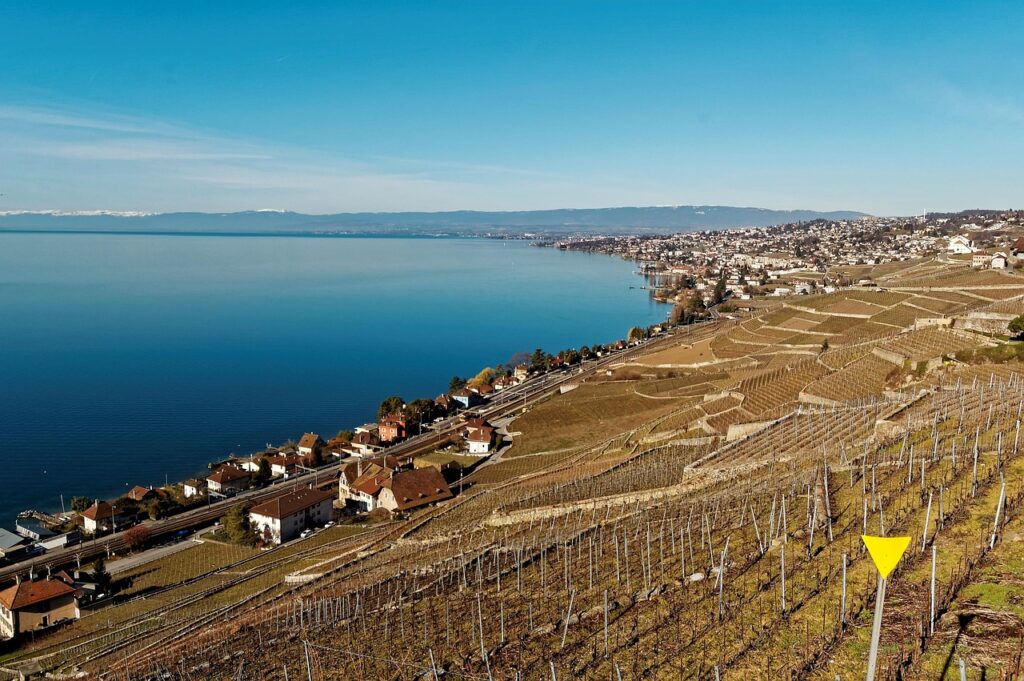
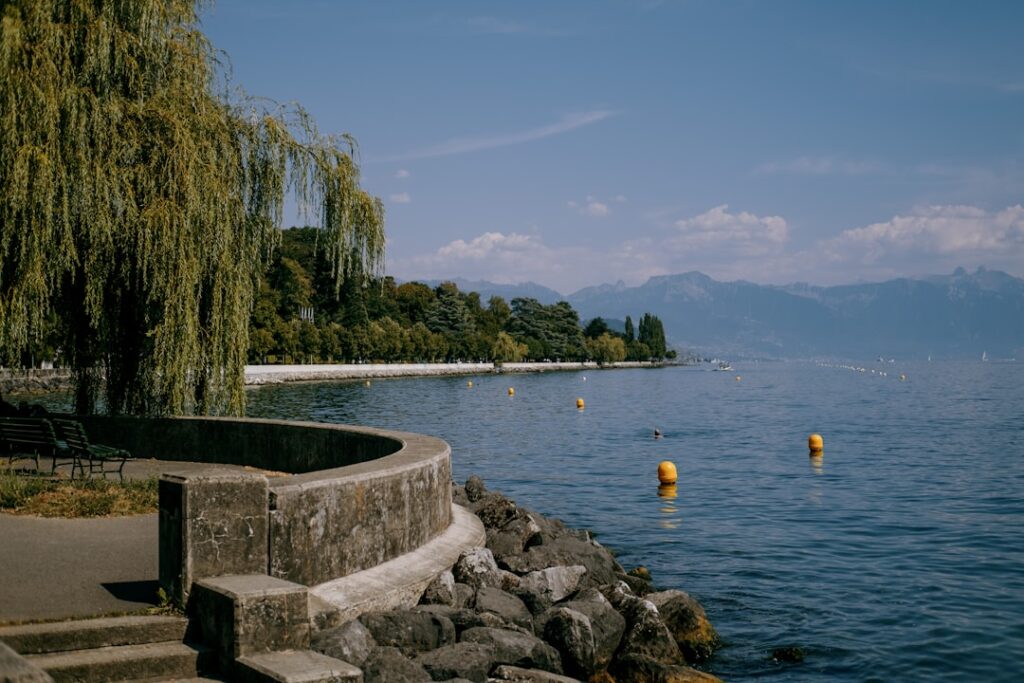
Whether you’re admiring Lausanne Cathedral, strolling along the Ouchy waterfront, or hiking the vineyards of Lavaux, this guide will help you stay calm. It contains exact addresses, opening hours, descriptive notes and local tips so you’re prepared for anything. Keep this document or a printed/digital copy handy during your stay — in an emergency every second counts. The following sections list numbers, places, procedures and practical recommendations to ensure that a medical emergency is handled quickly and efficiently.
Emergency numbers and first actions in Lausanne
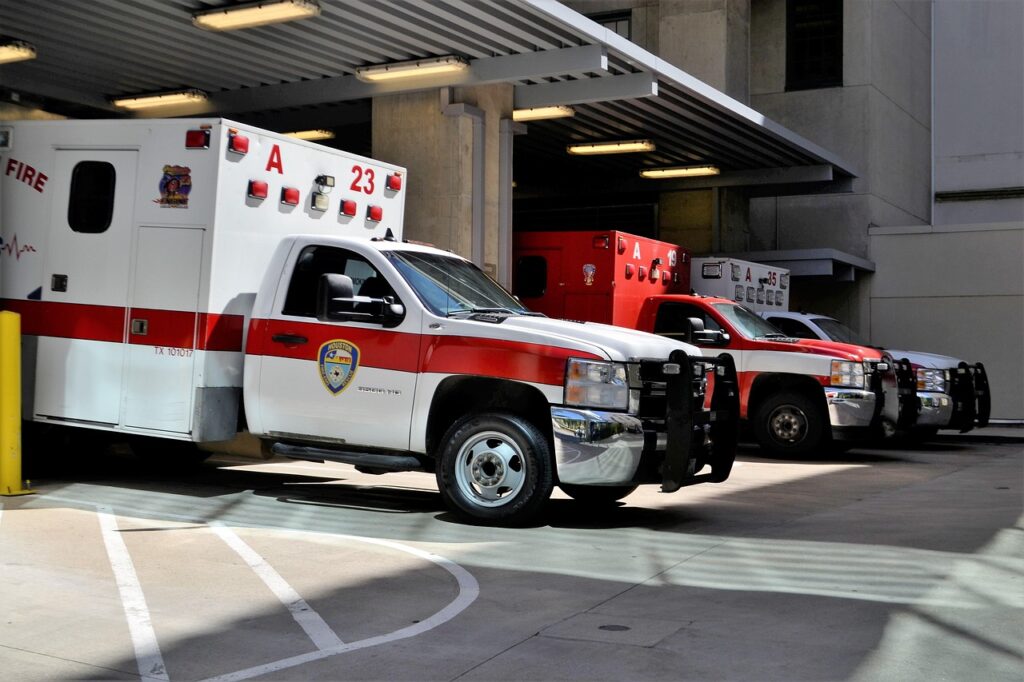
Emergency numbers are the first thing to memorise before a stay in Lausanne. In Switzerland, dial 144 for any medical emergency requiring an ambulance. The European number 112 also works and will connect you to Swiss emergency services. Police is 117 and fire & rescue is 118. These three numbers can be dialled from any mobile phone without an international prefix once you are inside Switzerland.
When you call 144, expect a standard series of questions designed to assess the situation: precise location (street name, number, nearby landmark), number of people involved, observed symptoms (chest pain, loss of consciousness, breathing difficulties), the person’s age and level of consciousness, known allergies and current medications, and whether they have an insurance card. Stay calm and answer clearly. Ambulance crews can give telephone advice to start first aid while they’re on their way (recovery position, chest compressions, etc.).
If you’re in a tourist area (for example Ouchy, Flon, Lausanne Cathedral or the Lavaux vineyards), always give a visual landmark: “Ouchy, near the Ouchy quay, in front of the Olympic Museum, Lausanne.” Emergency call centres are bilingual (French/German) and often multilingual; however speaking French or English will usually make communication easier.
Immediate practical tips to follow:
- Precise location: give the exact address, floor or secondary entrances (e.g. « Rue du Bugnon 21, main entrance, CHUV, Lausanne »).
- Condition of the patient: breathing, pulse, level of consciousness.
- Allergies and medications: say if the person is on blood thinners or has severe allergies.
- Insurance: if the person has a European Health Insurance Card (EHIC), mention it; otherwise have the insurer’s contact details ready.
- Stay calm: speak slowly and follow the operator’s instructions.
CHUV (Centre Hospitalier Universitaire Vaudois): Lausanne’s emergency hub
The CHUV is the reference hospital for medical emergencies and specialised care in Lausanne. Essential practical information:
- Full name: Centre Hospitalier Universitaire Vaudois (CHUV)
- Address: Rue du Bugnon 21, 1011 Lausanne
- Emergency Department (Accident / Emergency): open 24 hours a day, 7 days a week
- Main reception phone: +41 21 314 11 11 (CHUV main switchboard)
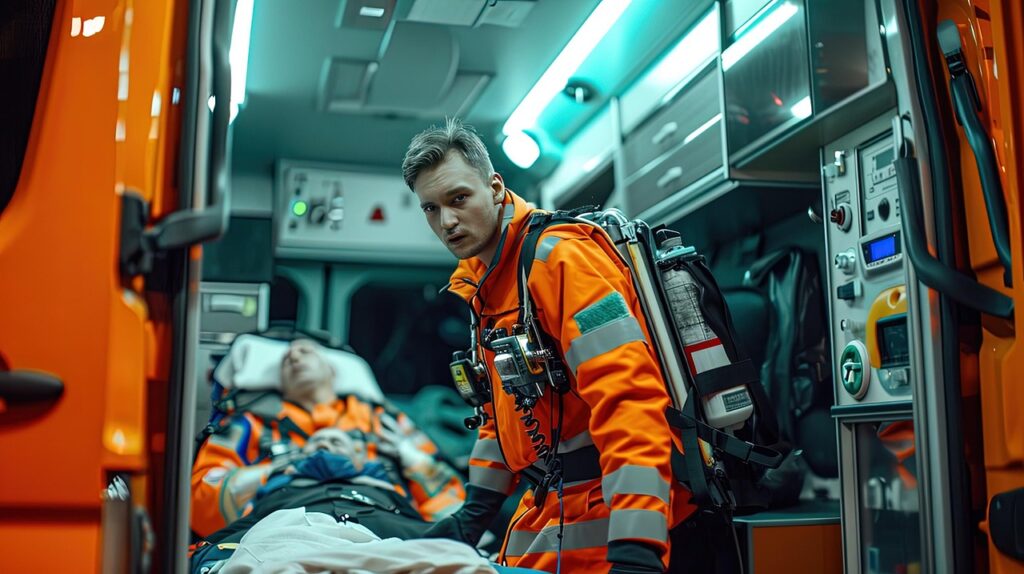
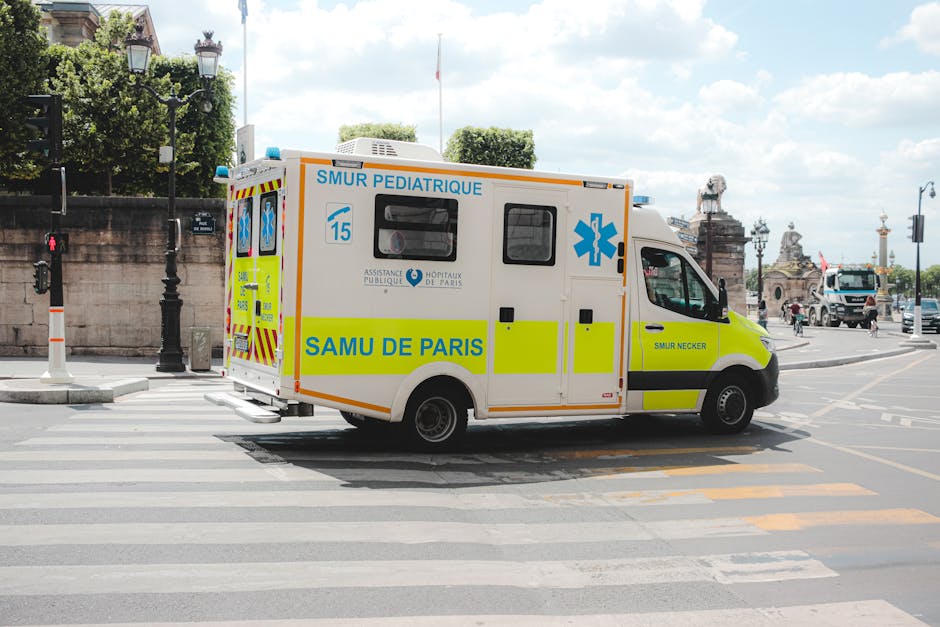
The CHUV emergency department treats all types of emergencies: trauma, cardiology, neurology, paediatrics and obstetrics. On arrival you’ll go through triage by a nurse who assesses severity and prioritises according to a system inspired by the international colour-coded model (red = immediate care, orange/yellow = urgent priority, green = stable urgent). The SMUR (Mobile Emergency and Resuscitation Service) works closely with the CHUV: for critical on-scene incidents (cardiac arrest, major trauma), the SMUR responds with a physician and advanced resuscitation equipment and often transports the patient directly to CHUV.
Hours and services:
- General emergencies: 24/7
- Specialist consultations: opening hours vary; call the CHUV switchboard to make an appointment or check times (see +41 21 314 11 11).
- Hospital pharmacy: opening hours adapted to needs; for urgent medication the emergency department can issue a prescription and direct you to the on-duty pharmacy.
Costs and billing: emergency care at CHUV is billed according to Swiss hospital tariffs. For a foreign visitor without adequate Swiss insurance, an emergency consultation and initial tests can cost between €200 and €800 depending on complexity; hospital stays and procedures increase costs (several thousand euros). Patients covered by a European insurance card should present their EHIC; visitors from outside the EU/EFTA should provide their insurer’s contact details. Always keep all documents and invoices for later reimbursement.
Private, voluntary ambulance services and alternative options in Lausanne
In addition to the public ambulance service (call 144) and the CHUV, Lausanne has private and voluntary operators able to handle urgent or scheduled medical transfers. These include private ambulance companies, the Vaud Red Cross (cantonal branch) and specialist medical transport firms for inter-hospital transfers or airport transfers.
Examples and general information (check details before using a service):
- Vaud Red Cross — Ambulance service: the Red Cross provides emergency assistance, first-aid training and can coordinate non-urgent transfers through its teams. Contact details vary by section; for Lausanne it’s advisable to consult the Swiss Red Cross website (www.redcross.ch) or call 144 in an emergency to be redirected.
- Private ambulance companies: several local firms handle scheduled transports (appointments, returns home, long-distance transfers). These companies usually require a medical prescription for non-urgent transport and charge by the kilometre or a flat fee.
- Transfers to the airport (Geneva or Zürich): prices vary widely; a private transfer to Geneva airport can cost from €300 to over €1,200 depending on the level of care required (medical accompaniment, monitoring, ventilator, etc.).
Indicative pricing (for information only):
- Standard ambulance transport, simple pick-up within the city: €400 to €1,000.
- Transport with medical monitoring (monitoring, infusion): €800 to €2,500.
- Medicalised inter-hospital transfer: €1,000 to €5,000 depending on distance and equipment required.
- Calling an ambulance for a simple evacuation (not requiring hospitalisation): a few hundred euros.
These ranges reflect the reality of costs in Switzerland — one of the countries with high medical and medical-transport expenses. Verify coverage with your travel insurance and have your insurer’s contact details ready for prompt assistance or reimbursement.
Local tips for choosing a provider:
- Always ask for a written estimate before any non-urgent transport.
- Check qualifications of ambulance staff (nurse accompaniment, presence of a physician if needed).
- Prefer coordination through your GP or the hospital emergency service for inter-hospital transfers.
- For complex medical needs (ventilator, continuous infusion), insist on a fully medicalised transport; the extra cost is significant but necessary for patient safety.
Non-urgent medical transport, insurance, costs and administrative steps
All visitors to Lausanne should anticipate how non-urgent medical transport will be handled (return home after a consultation, specialist appointment, scheduled transfer). Non-urgent transports are often provided by private ambulances or medically-equipped taxis. They usually require a doctor’s prescription to justify the transport to insurers.
Insurance and reimbursements:
- International travel/health insurance: check your level of coverage for Switzerland before departure; most insurers reimburse part of the costs after submission of invoices and medical reports.
- European Health Insurance Card (EHIC): for EU/EFTA nationals, the EHIC allows access to medically necessary care under the same conditions as Swiss insured patients, but it doesn’t cover everything (e.g. repatriation is generally not included).
- Medical repatriation: often not covered by basic health insurance; many travel policies offer an optional repatriation cover (evacuation or medicalised repatriation) which can cost several thousand euros but prevents catastrophic expenses in prolonged hospitalisation.
Administrative steps when using an ambulance service:
- Always ask for a transport form or a care document issued by the ambulance crew.
- Keep all detailed invoices (time of intervention, kilometres covered, procedures performed, equipment used).
- If possible, note the identity of the crew (driver/paramedic names, vehicle registration) to ease any later formalities.
- Contact your insurer immediately; many require pre-authorisation for scheduled transports or repatriations.
Useful hours and contacts for non-urgent matters:
- To book a non-urgent transport, search for local providers via the municipal switchboard or the official City of Lausanne website (www.lausanne.ch) — fees and schedules vary; scheduled transports typically run from 07:00 to 20:00, with on-call services 24/7 for emergencies only.
Practical local tips to handle an emergency during your stay
A few concrete recommendations to save time and make sure the patient gets the best care during an emergency in Lausanne:
- Keep key documents handy: ID, insurance card, insurer contact details, list of medications and allergies, and an emergency contact.
- Location references: note the address of your accommodation and a few nearby landmarks (e.g. Quai d’Ouchy, Place de la Palud, Rue de Bourg) to help emergency teams find you quickly.
- Language: medical staff in Lausanne mainly speak French; English is commonly spoken, but have some key phrases ready or a translation app for stressful situations.
- Currency: billing is generally in Swiss francs (CHF); convert roughly into euros to estimate costs (1 CHF ≈ 1.00 € variable) and have an international debit/credit card or other accepted payment methods.
- Follow regulations: if hiking in the Lavaux vineyards or higher trails, emergency vehicle access may be limited; follow signposts and always indicate the best road access for rescuers.
- Prevention: buy a comprehensive travel insurance before you leave and save emergency numbers (144, 112) in your phone.
Finally, as a visitor it’s useful to know some additional local services: on-duty pharmacies (night hours vary and are usually listed via the City of Lausanne information service), out-of-hours doctors (numbers published locally) and the regional health information centre. These services complement emergency care and make it easier to handle minor health issues without going to hospital.
Conclusion — Stay prepared and calm so you can enjoy Lausanne
Lausanne is welcoming and well-equipped for emergency care, with top-tier facilities like CHUV, specialised mobile teams (SMUR) and a network of public, voluntary and private ambulances. Still, the best way to avoid stress in an emergency is simple preparation: memorise the essential numbers (144, 112, 117, 118), keep insurance documents close, note your accommodation address and local landmarks (Ouchy, Flon, Rue du Bugnon). This guide has given you the key addresses and information, indicative euro price ranges for medical transport, and practical tips for talking with emergency operators and handling billing.
Remember that costs in Switzerland can be high; comprehensive travel insurance and/or repatriation coverage is strongly recommended for international visitors. In an emergency, fast action and clear information to the 144 operator will speed up care. Above all, enjoy Lausanne with peace of mind: with good preparation and the right contacts, a medical incident will remain a manageable interruption and you’ll soon be back to exploring Lake Geneva’s views, the lively old town and the world-famous vineyards of Lavaux.
Have a great stay in Lausanne — stay safe, well insured and informed: these three elements will turn a potentially stressful incident into a controlled and safe experience.