




Introduction — Understanding Lausanne’s etiquette before you arrive
Lausanne is a French-speaking Swiss city perched on the shores of Lake Geneva, nestled between terraced vineyards and lively hills. As the capital of the canton of Vaud, it draws tourists, students and international professionals. Knowing local etiquette isn’t just polite — it’s the key to having genuine interactions, avoiding cultural missteps and making the most of landmarks like Lausanne Cathedral, the Olympic Museum and the Flon district. This detailed guide gives you practical pointers, exact addresses, opening hours, prices in euros and concrete tips to help you fit in effortlessly.
People from Lausanne value discreet courtesy and punctuality; they dislike noisy intrusion and neglect of public spaces. Whether you’re visiting as a tourist, for business or for study, learning local customs will help you avoid misunderstandings. For example, how you greet someone in a shop, pay at a restaurant, behave on public transport or interact at a local market affects the quality of your exchanges. The unwritten rules here sit somewhere between bourgeois reserve and warm conviviality, always with a focus on order and respect for the environment.
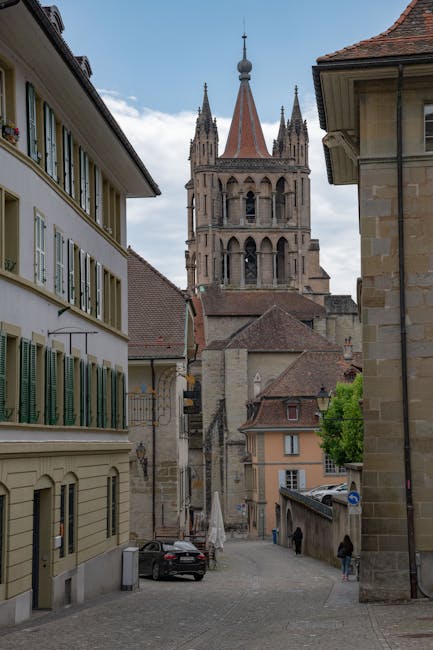
This guide is organized to be immediately useful: precise addresses (Place de la Cathédrale 4 for Lausanne Cathedral), practical opening times (museums, markets, restaurants), prices shown in euros to help with budgeting, and immersive descriptions for each place mentioned. You’ll find recommendations for visiting the Olympic Museum (Quai d’Ouchy 1, 1006 Lausanne — typically open 09:00–18:00, ticket around €12), for strolling along the Ouchy promenade and for understanding why attitudes toward dogs in parks differ from those in larger cities. We also include advice on handling more sensitive situations: noise control at night, waste sorting, dealing with ticket inspectors on transport, and behavior during rush hour at Lausanne station (Place de la Gare, 1003 Lausanne).
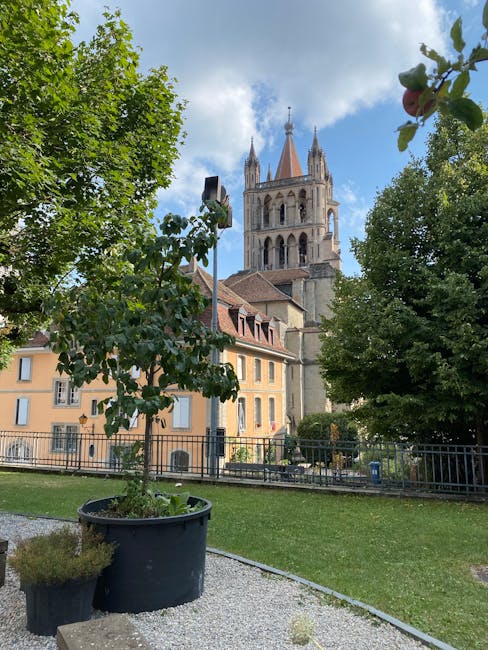

The goal is simple: to give you the confidence to enter the city, respect local codes and be seen as a thoughtful visitor. Local etiquette isn’t fixed — it changes with the seasons and events (Montreux Jazz, regattas, Lausanne-Sport matches). But some constants remain: respect for public space, punctuality, measured politeness and care for the urban environment. Continue reading for detailed sections on language and greetings, transport and punctuality, table manners and café etiquette, and nightlife and social life in Lausanne.
1. Language, greetings and everyday interactions
The main language in Lausanne is French, spoken by the vast majority of the population. Saying a few words in French before approaching someone will open doors instantly: a “bonjour” or “bonsoir” (depending on the time of day) paired with a smile makes a big difference. Locals appreciate attempts to speak their language, even if imperfect. If you speak French, adapt your register: using the informal “tu” is reserved for friends, close colleagues or young people; otherwise, use the formal “vous” on first meetings, especially with older people or in professional settings.
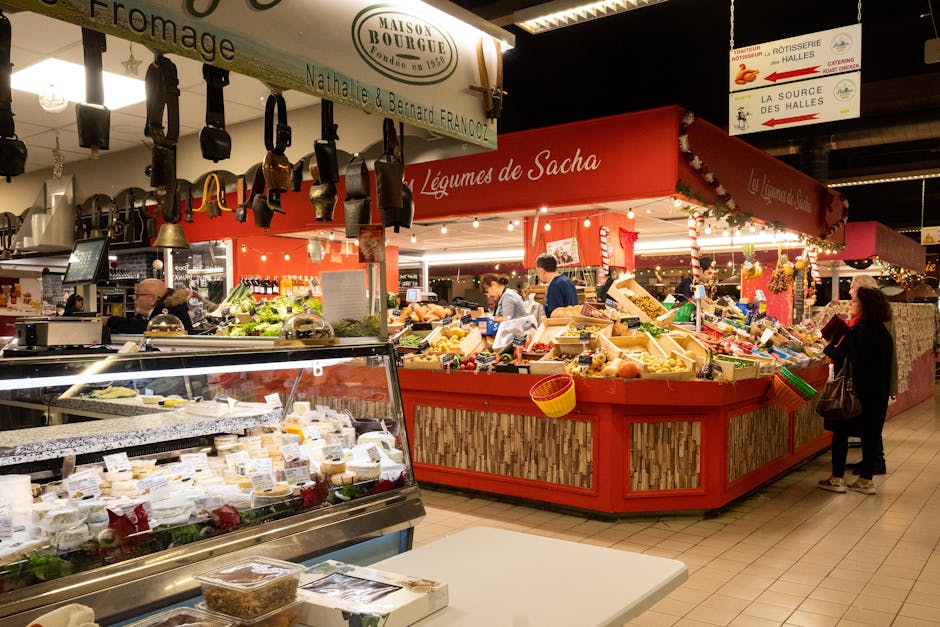
In shops and services, the initial greeting matters. For example, in a downtown boutique or at the Riponne market (Place de la Riponne, 1005 Lausanne — morning market often open 07:00–12:30, fresh produce from around €2–€5 for a basket of fruit), say “bonjour” before asking the price or touching goods. The same rule applies at the Cantonal Museum of Fine Arts (MCBA, Avenue du Théâtre 5, 1005 Lausanne — usually open 10:00–18:00, entry around €10): behave calmly and respectfully toward the exhibits.
Physical greetings are moderate. Cheek kisses (usually two, sometimes three) happen between friends and acquaintances, but wait for the other person to initiate. In professional contexts, a simple firm, brief handshake is the norm. People from Lausanne are generally reserved at first; they appreciate polite behavior without excessive familiarity. Pay attention to non-verbal cues: if your interlocutor keeps some distance, respect it.
A word on secondary languages: English is widely understood in tourist areas (the Olympic Museum, the station, hotels like Hôtel de la Paix), but favoring French shows respect. German and Italian can also be heard — a reminder that Switzerland is multilingual. A very useful phrase: “Excuse me, do you speak English?” — it signals politeness and you’ll often receive friendly, helpful assistance.
2. Transport, punctuality and public-space behavior
Lausanne is compact but hilly; public transport is efficient and punctual. You’ll find Lausanne station at Place de la Gare, 1003 Lausanne — a hub for trains, metros and buses. The M2 metro runs north–south, handy between Ouchy and Croisettes; wait for passengers to exit before boarding and buy your ticket in advance (indicative price: urban ticket €2.50 / 1 hour, day pass around €6–€8 depending on zones). Inspectors are common and fines for travelling without a valid ticket are strictly enforced — trying to evade checks is frowned upon.
Punctuality is highly valued in Lausanne. For an appointment, arrive 5–10 minutes early. In professional contexts, inform people by phone or message if you will be late. For meetings or guided tours, start times are usually followed to the minute; guides and organizers won’t hold up groups. Practical example: a guided tour of Lausanne Cathedral (Cathédrale de Lausanne, Place de la Cathédrale 4, 1005 Lausanne — tours vary, fees often around €8–€12) starts at a set time — arriving late can mean missing entry.
Behavior in public spaces follows codes of respect: queuing is expected, don’t cut in or push, and avoid excessively loud phone conversations on transport. Recycling is taken seriously: sort your waste in public bins (bottles, paper, glass, organic waste according to local rules). Locals dislike littering and noisy behavior, especially in residential areas like the Sallaz district or the lanes near the Cathedral.
Cyclists should respect bike lanes and traffic signals — shared space is well regulated in Lausanne. Dogs are usually required to be on a leash in most urban parks except in designated off-leash areas; always pick up after your pet. These hygiene and civic rules, enforced across the city, show that consideration for others is at the heart of local etiquette.

3. At the table: cafés, restaurants and dining customs
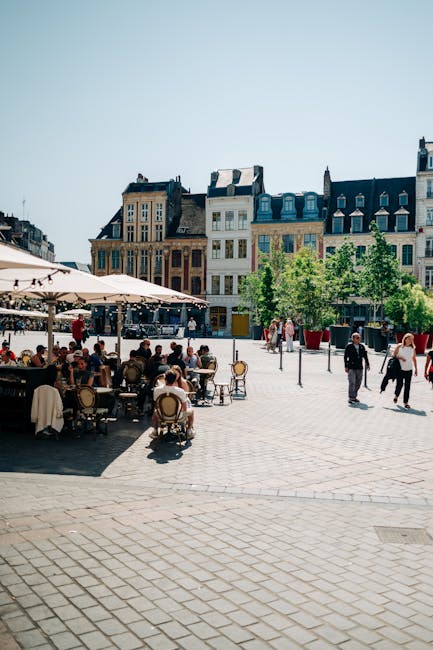
Lausanne’s food scene is varied, from family-run bistros to Michelin-starred restaurants. Things to know about etiquette: reservations are often recommended, especially on weekends in popular areas like the Flon (Quartier du Flon, Place de l’Europe, 1003 Lausanne). Serving times vary: lunch is generally 11:30–14:00, dinner 18:30–22:30. Example: a dish at Brasserie Le Comptoir might cost €18–€35, while a gourmet meal at Restaurant de l’Hôtel de Ville can surpass €60 per person.
Service in French-speaking Switzerland is professional and discreet. It’s customary to wait for the host to offer you a seat, or sit down if the place is a casual bistro. Bills are not usually split automatically: tell the server clearly if you want to pay separately. Tipping isn’t obligatory in Switzerland, but rounding up the bill or leaving 5–10% for exceptional service is appreciated; in cafés and bars, leaving small change or rounding up is common. For instance, if a coffee at La Place du Palud (Place de la Palud, 1003 Lausanne) costs €3.50, rounding up to €4 is typical.
Table manners: keep your hands visible above the table (wrists on the table), don’t speak with your mouth full and wait until everyone is served before starting. If you’re invited to a Lausanne home, bringing flowers, wine or chocolates is a nice gesture. Avoid oversized or overly extravagant gifts; simplicity and quality are preferred.
For market and local food lovers, visit the Riponne market (Place de la Riponne, 1005 Lausanne) on Saturday mornings for regional products, and feel free to chat briefly with producers: a polite exchange — without demanding discounts — can lead to tips on local culinary customs (white wine dressings, local cheeses like vacherin). Respect tasting rules: a small sample is fine, taking portions without asking can be frowned upon.
4. Social life and nightlife: what locals do (and dislike)
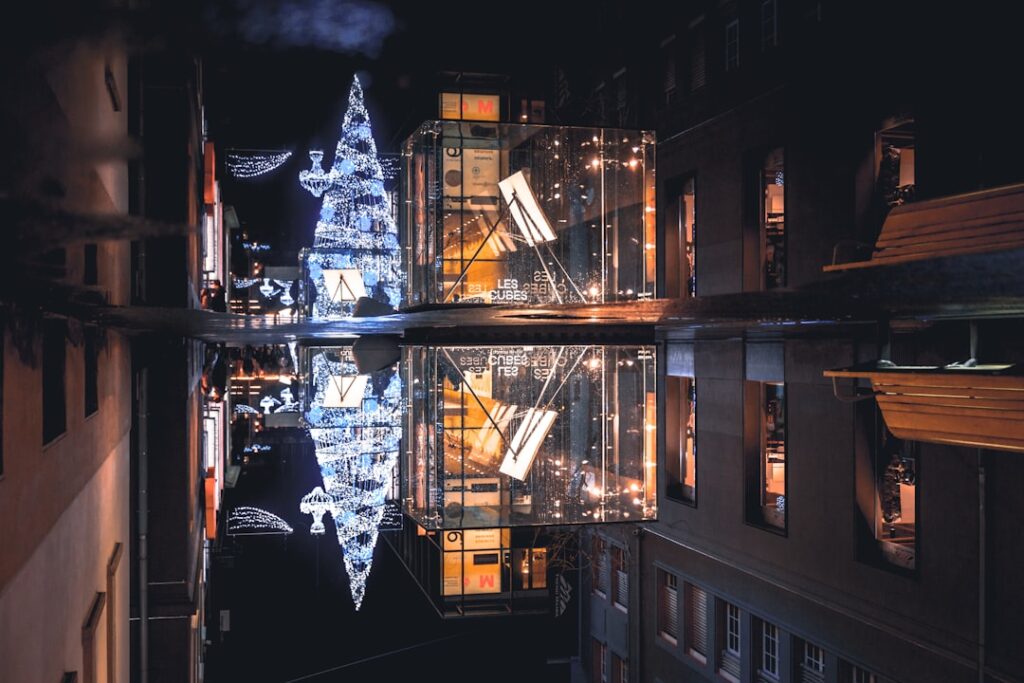
Lausanne has a lively but contained nightlife. Areas like the Flon (Le Flon, Place de l’Europe, 1003 Lausanne) and bars around Rue Saint-Laurent get busy mainly on Fridays and Saturdays. People from Lausanne enjoy going out, but with moderation: the tranquillity of residential neighborhoods is important after 22:00. Very noisy street parties, excessive drinking and aggressive behavior are frowned upon and may draw police intervention.
If you visit clubs or bars, follow entry rules (ID checks, and sometimes a smart dress code). Drink prices vary: a glass of wine in a bar might cost €6–€10, a beer €5–€8 depending on the venue. Locals prefer good conversation and quality music over loud excess; observing closing hours (around 02:00–03:00 depending on the place) helps avoid tensions with residents.
The cultural and music scene also demands respect: attending a concert at Théâtre de Vidy (Avenue Jean-Jacques Mercier 10, 1007 Lausanne — times vary, tickets often €15–€50) or an event at the Patio of the Lausanne Palace requires attentive behaviour (silence when asked, arriving on time). Locals appreciate cultural diversity, but expect visitors to observe the specific rules of each venue.
Friendliness often shows up around outdoor events on the Ouchy quays or during regattas. Remember that public order, waste sorting and respect for green spaces are priorities. Château d’Ouchy (Place du Port 2, 1006 Lausanne) and the Ouchy lakeside promenade are pleasant spots to relax; keep your volume moderate, clear away your rubbish and follow signs indicating swimming and navigation zones. Locals appreciate visitors who share these values: civil, attentive behaviour is the best way to be accepted and to enjoy the city like a local.
Conclusion — Recap of golden rules and practical tips
In short, etiquette in Lausanne rests on four simple but essential principles: measured politeness, respect for public space, punctuality and environmental awareness. Greeting people in French, avoiding intrusive behaviour, validating your travel tickets and respecting venue rules will ensure pleasant interactions. Locals value discretion and kindness; they welcome curious visitors who respect their customs.
Be punctual for appointments, use public transport while respecting queues and ticket checks, adapt your table manners (reservations, modest tips, waiting for everyone to begin), and follow rules in public places (waste sorting, dogs on leashes, noise limits). For visits, here are a few key addresses with recommended behaviours: Lausanne Cathedral (Place de la Cathédrale 4, 1005 Lausanne — respect service times and dress modestly), the Olympic Museum (Quai d’Ouchy 1, 1006 Lausanne — buy tickets in advance if possible), Lausanne station (Place de la Gare, 1003 Lausanne — be prepared for rush hours), and the Flon district (Place de l’Europe, 1003 Lausanne — be discreet and dress appropriately for certain venues).
Finally, adapt to the context: a morning market calls for a different kind of politeness than a gourmet dinner or a night out in a club. Small gestures — learning a few French words, asking before taking a close-up photo, picking up your trash — will make a positive impression. Lausanne is welcoming, clean and focused on social harmony: observing these local codes will allow you to have a rich, authentic experience while showing respect for the city and its residents. Enjoy your stay and explore each neighborhood with curiosity and consideration.