





Introduction: A Deep Dive into Lausanne’s Hidden Artisan Workshops
Lausanne isn’t just a city of hills, Lake Geneva shores, and cultural festivals — it’s also a living craft lab where traditional and contemporary trades thrive away from the usual tourist trails. This offbeat stroll invites you to explore tucked-away workshops, back-room studios where materials regain meaning, cobbled paths that open onto carriageway doors, and small shops where time flows at the pace of practiced hands. The goal of this guide is to give you a full, practical, immersive experience: exact addresses, opening hours, indicative prices in euros, sensory descriptions and local tips to prepare your visit.
Craftsmanship is woven into everyday life here — from leatherwork to blown glass, from small joineries to furniture restoration studios, including micro-jewelry ateliers and contemporary tanneries. Many of these places hide in inner courtyards around Le Flon, in the alleys of the old town, or in workshops on the edge of the city near the train station or university campus. Visits often require appointments, strict opening hours, or a push through an uninspiring gate — and it’s exactly that hidden quality that makes the experience so authentic and rewarding.
This guide is for both visitors passing through and curious locals. You’ll find practical details: full workshop names, exact addresses, prices in euros for services or hands-on classes, opening times, and a vivid description of the atmosphere, materials and movements. I’ve also added local tips — how to get around, where to park your bike, which languages to expect, and how to prepare purchases (artisans often prefer cash or Twint; I’ll note when card payments are possible).
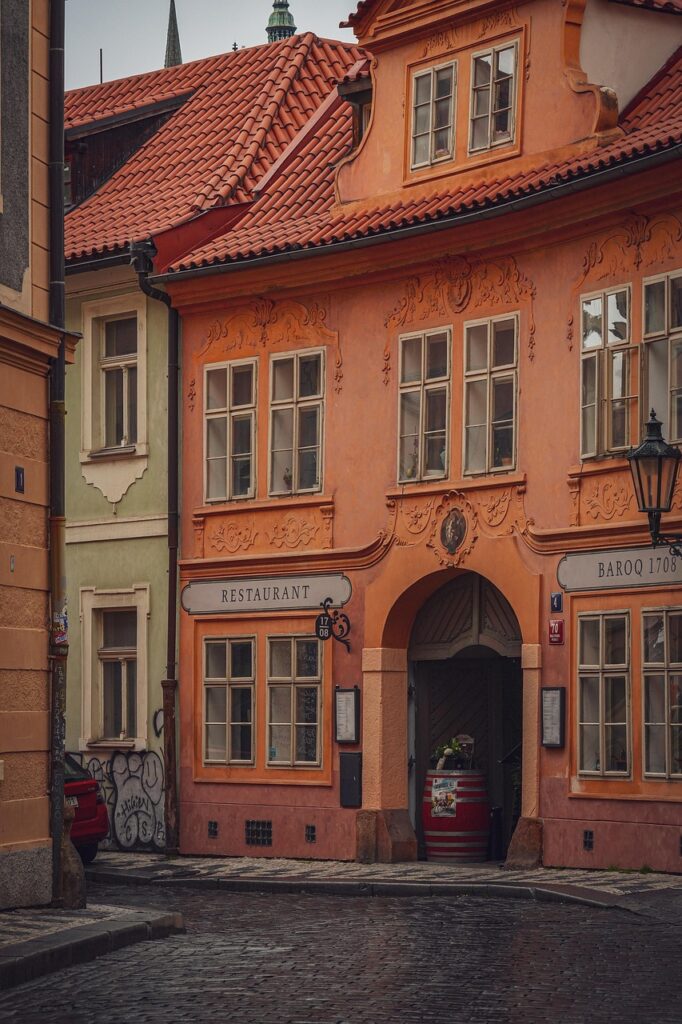
Visiting these workshops also supports local economies and helps you understand the production chain behind an object. Expect the smell of leather, the metallic ring of files and saws, and warm welcomes from makers who love to tell their stories. Take your time: this isn’t about ticking off tourist sites but stepping into a world where material and human craft come first. The images and visual cues in this guide — marked by reference 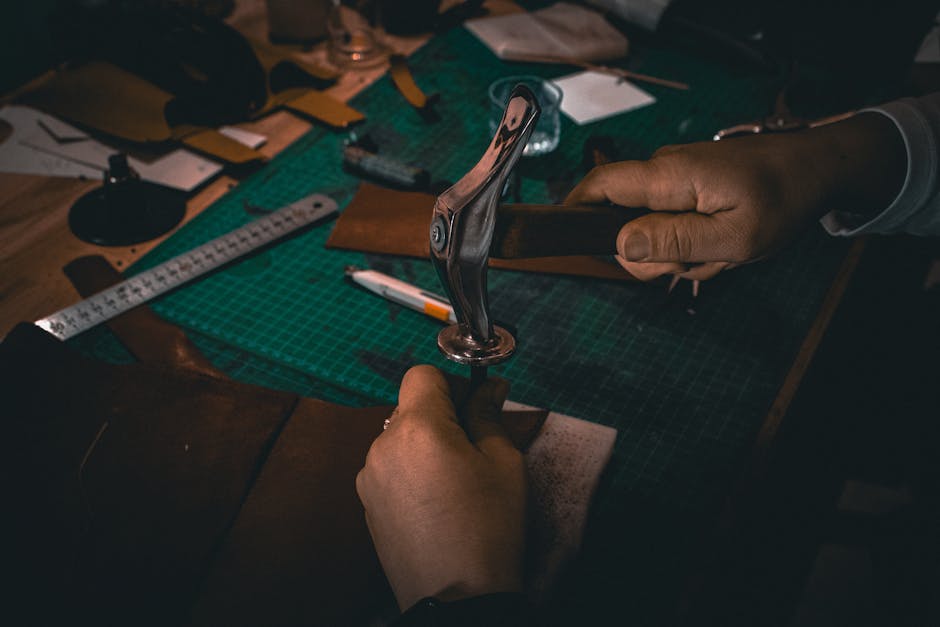 — will help you spot locations and anticipate the atmosphere.
Before you set out, a few practical notes: the local currency is the Swiss franc (CHF), but prices here are given in euros (EUR) for ease of reference; 1 EUR ≈ 0.98 CHF depending on fluctuations, so check the rate on the day. Opening times reflect local craft routines: many places close Wednesday afternoons or operate by appointment only. Finally, respect any health & safety rules posted by each workshop and always ask before taking photos inside. Now, let’s follow this offbeat route through four representative Lausanne craft studios.
1) Marquetry & Joinery Workshop: Atelier Bois & Rive — 12 Rue du Petit-Chêne, 1003 Lausanne
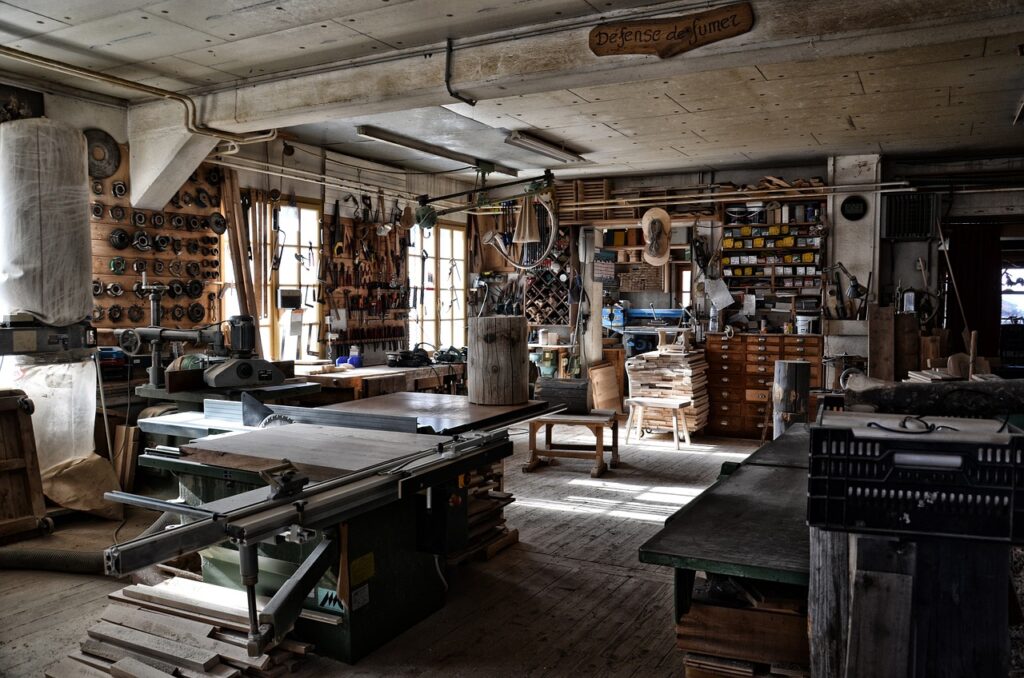
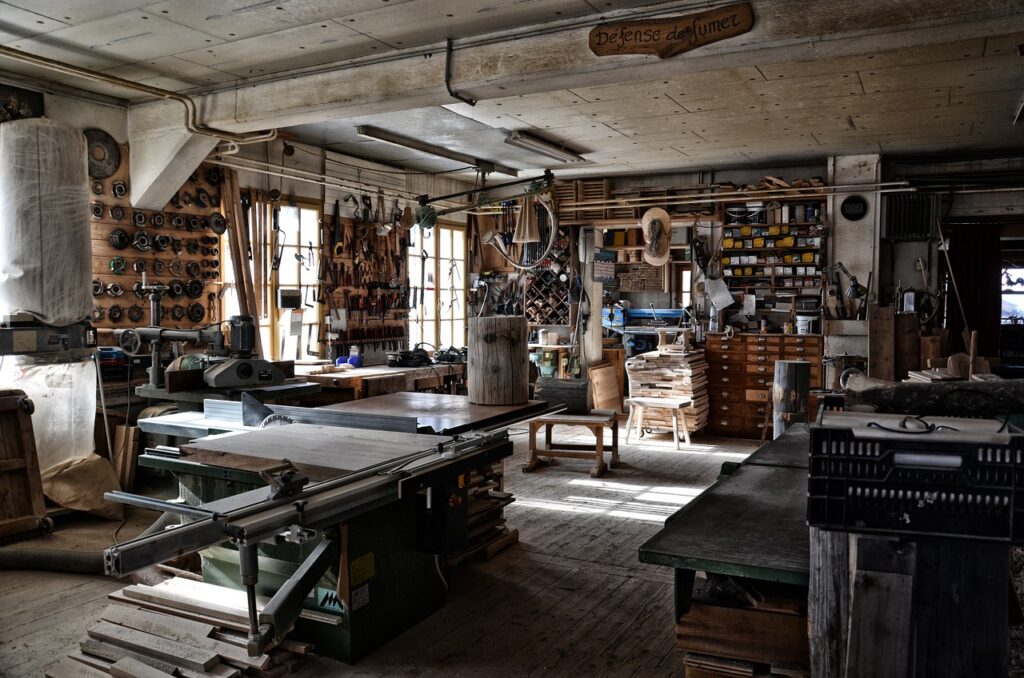
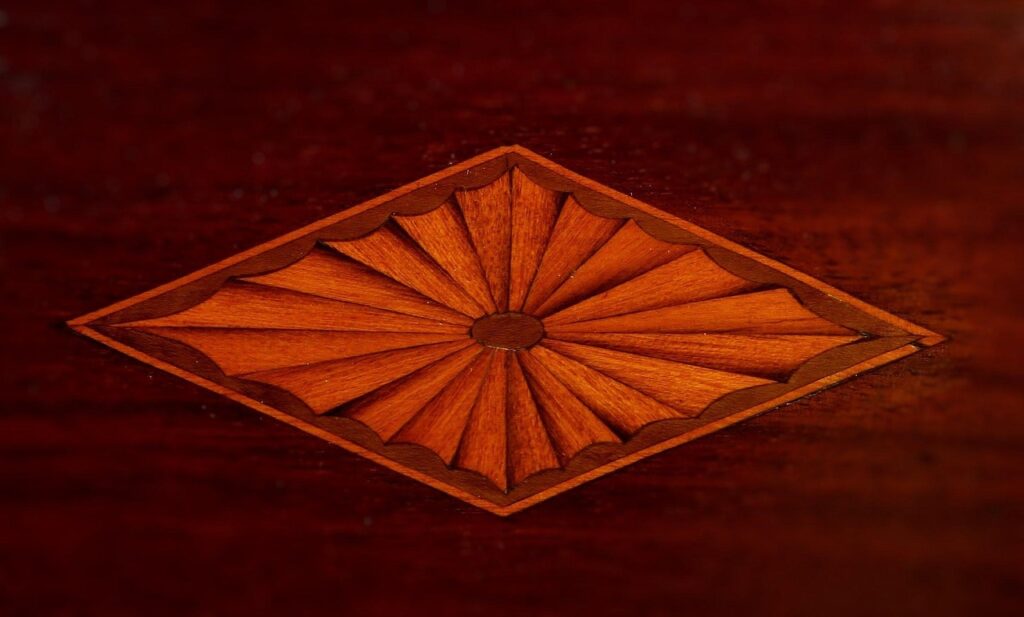
Atelier Bois & Rive, at 12 Rue du Petit-Chêne, 1003 Lausanne, is a small joinery shop specializing in antique furniture restoration and made-to-measure pieces. Open Tuesday to Saturday, 09:00–17:30, the workshop offers guided visits by appointment and hands-on introductory classes.
Address: Atelier Bois & Rive, 12 Rue du Petit-Chêne, 1003 Lausanne
Opening hours: Tuesday–Saturday 09:00–17:30 (guided visits by appointment only)
Prices: guided visit 1 hour — 15 EUR per person; marquetry intro workshop 3 hours — 75 EUR per person (materials included); restoration quoted individually (indicative example: restoration of an antique chair 120–220 EUR).
Immersive description: Step through the workshop door and you’re greeted by the warm scent of freshly sanded wood and a soft light filtered through dust-flecked windows. The space splits into a working area (old machines — jointer, planer, band saw) and a display corner showcasing finished pieces: chests, commodes highlighted with marquetry bands, and small contemporary oak furniture. The master joiner — often a trained artisan from Swiss and French schools — takes time to explain wood species (oak, walnut, maple), glueing and shellac finishing techniques, and the precise hand movements of marquetry work.
Local tips: if you plan to buy a piece, expect a 4–8 week build time depending on complexity. Public transport serves Rue du Petit-Chêne (buses 3 and 7), and it’s easy to leave a bag or a small folded piece in the back shop while you stroll. Always ask for care instructions: most artisans recommend neutral beeswax polish and avoiding harsh solvents.
2) Blown Glass & Artisan Lamps: Studio Verre Clair — 4 Rue Pichard, 1004 Lausanne
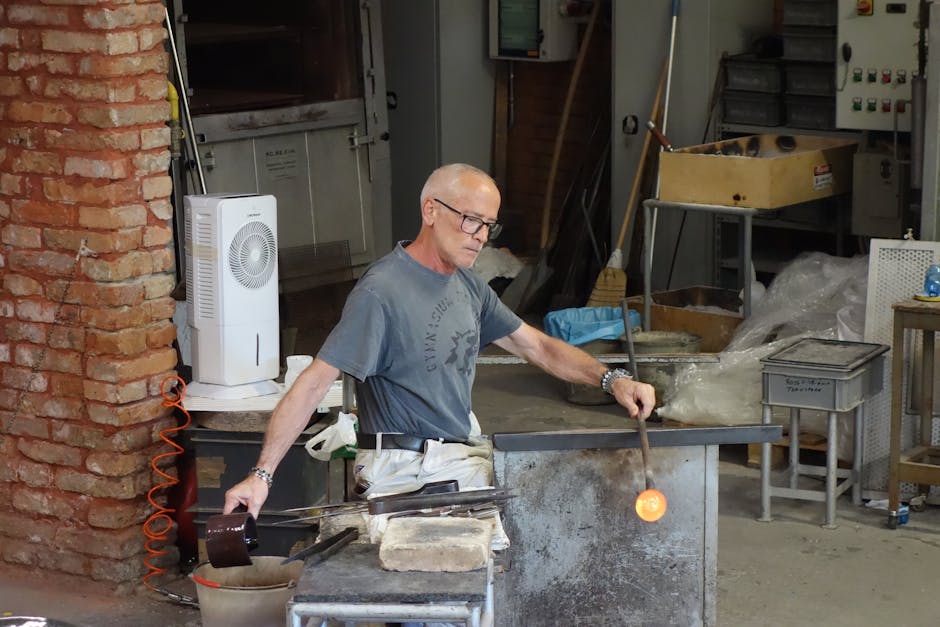
At 4 Rue Pichard, 1004 Lausanne, Studio Verre Clair welcomes visitors to a blown-glass workshop producing lighting, bowls and decorative objects. It’s a discreet studio-shop tucked inside a renovated industrial hall. Public hours vary and the studio runs introductory blowing sessions.
Address: Studio Verre Clair, 4 Rue Pichard, 1004 Lausanne
Opening hours: Monday, Wednesday, Friday 10:00–18:00; Saturday 10:00–16:00; demo visits by appointment (closed Tuesday and Thursday)
Prices: demonstration 30 minutes free or by donation; discovery workshop (blow a bowl) 2 hours — 95 EUR per person (max 6 participants); lamp-making workshop 4 hours — 170 EUR per person (materials included).
Immersive description: The Studio Verre Clair entrance drops you into an atmosphere of fire and light: the furnace at around 1,100 °C radiates an embracing heat while glassblowers handle the blowpipe with graceful turns, shaping molten glass into form. Colors come from metal oxides — cobalt for blue, copper for deep greens — and each piece is a story of layers and repeated gestures. Lamps are finished with brass or patinated steel details; bowls use engraving and acid etching to achieve matte effects.
Local tips: wear light but covering clothes (the furnace heats the space). Weekend classes fill up fast — book 2–3 weeks ahead in high season (May–Sept). Finished items can be shipped abroad on request; shipping costs are calculated separately. The studio accepts card, cash and Twint (Swiss mobile payment); bring a reinforced bag for fragile purchases.
3) Contemporary Leather Workshop: Cuir du Lac — 27 Avenue de la Gare, 1002 Lausanne
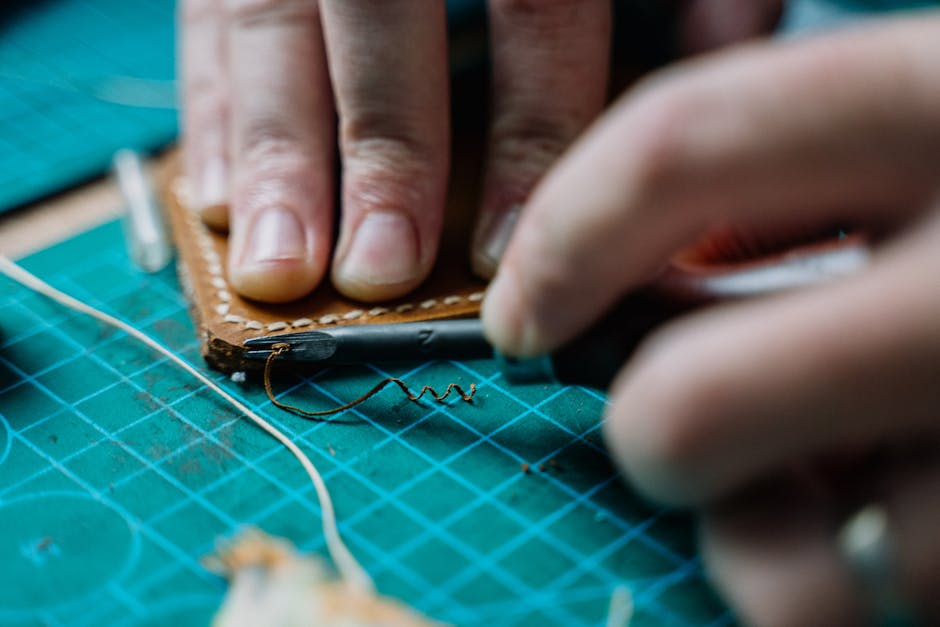
Cuir du Lac is a small leather house at 27 Avenue de la Gare, 1002 Lausanne, close to the central station. The workshop makes bags, wallets and leather accessories, runs intro workshops and handles repairs. It’s the perfect spot to watch stitching, dyeing and hand finishing up close.
Address: Cuir du Lac, 27 Avenue de la Gare, 1002 Lausanne
Opening hours: Tuesday–Friday 10:00–18:00; Saturday 10:00–14:00; closed Sunday and Monday. Appointments available outside these hours.
Prices: small repair (zip replacement) — from 25 EUR; re-gluing a bag sole — 35–60 EUR; intro workshop (make a cardholder) 2 hours — 45 EUR per person (materials included); custom bag project (multiple sessions) — from 280 EUR depending on materials.
Immersive description: The workshop splits into two zones: a counter-shop displaying bag models, and the workshop behind a glass partition where industrial sewing machines, leather punches, and cutting boards scored with incisions are visible. Artisans choose local or European hides: full-grain calf, vegetable-tanned bovine leather, and sometimes exotic leathers worked in line with regulations. Movements are precise: gluing, saddle stitching by hand, edge finishing on a burnishing wheel. Colors are rich — burgundy, petrol blue, cognac — with matte or subtly patinated finishes to add character.
Local tips: for bespoke orders, bring inspiration photos and allow 3–6 weeks for production. For urgent repairs, check morning availability — small jobs can sometimes be done the same day. The shop accepts most cards and Twint; some small operations prefer cash for quick repairs. For a durable keepsake, opt for a personalized cardholder — it’s affordable and built to last.
4) Contemporary Jewelry & Bench Workshop: Atelier Lumière — 9 Rue du Grand-Pont, 1002 Lausanne
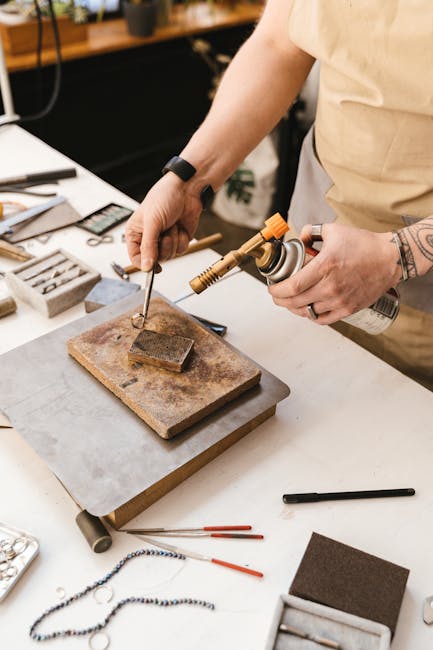
Atelier Lumière, at 9 Rue du Grand-Pont, 1002 Lausanne, is a contemporary jewelry bench-shop known for pieces in recycled silver and gold, and for beginner learning programs. The workshop also restores antique jewelry and transforms inherited objects into modern designs.
Address: Atelier Lumière, 9 Rue du Grand-Pont, 1002 Lausanne
Opening hours: Wednesday–Saturday 11:00–18:00; closed Monday and Tuesday; evening classes by registration (Wednesday 18:30–21:00).
Prices: diagnosis and restoration quote — free; jewelry intro workshop 3 hours — 95 EUR per person (max 4 participants); simple silver ring made in-studio — 140 EUR (metal and supplies included); custom gold ring — from 450 EUR (depending on weight and karat).
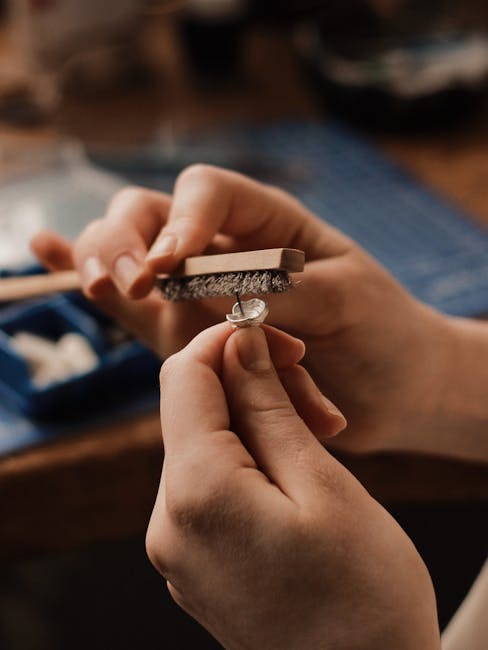
Immersive description: The workshop is bright and tidy, with small anvils, a jeweler’s bench and neatly arranged tools. Stones, set or rough, are displayed under glass: quartz, topaz, small sapphires, and freshwater pearls. Artisans explain the difference between jewelry-making (alloys, casting) and gem-setting (stone work). You can watch silver soldering, profile filing, final polishing on a felt wheel, and feel the soft tactile quality of metal under your fingertips. Pieces made here often feature delicate patinas and micro-engraving details — evidence of meticulous craft.
Local tips: to transform an inherited piece, bring the item and, if possible, photos of inspirational models — the workshop often offers a free consultation to discuss options. Evening workshops suit daytime workers; email or call to reserve. Note: gold orders can take 6–8 weeks during busy periods (holidays, spring).
Conclusion: How to Prepare and Extend Your Stroll
The tour of Lausanne’s hidden artisan workshops is first and foremost an invitation to slow down and listen to the story of materials. To prepare, here are a few practical and ethical recommendations: always check opening hours and make appointments when indicated; bring cash if a workshop prefers it (many also accept Twint and cards, but check ahead); pack a padded bag for fragile purchases, and request an invoice for export if you’re traveling outside Switzerland.
Getting around and logistics: Lausanne is well-served by train and the TL bus network (Transports Lausannois). The workshops mentioned here sit in central or easily accessible neighborhoods: Rue du Petit-Chêne (old town area), Rue Pichard (towards the lake), Avenue de la Gare (near the station), and Rue du Grand-Pont (historic center). Walk between nearby spots to enjoy the narrow streets; otherwise use lines 1, 3 or 7 depending on your route. If you come by car, parking is limited in the old town — opt for a park-and-ride or public underground car parks (Parking du Flon, Parking de la Gare).
Duration and budget: plan half a day to a full day depending on your pace: expect 15–95 EUR per workshop for visits and intro classes, and 25 EUR to several hundred euros for repairs or bespoke commissions. The point isn’t how much you spend but the quality of the exchange: talk with the maker, observe techniques, and learn the creation process. If you want a lasting memento, choose a small handmade piece over mass-produced souvenirs.
Respect and curiosity: workshops are workplaces — respect production areas, don’t touch machines without permission, and always ask before photographing. Makers love to share knowledge: a well-phrased question about material origin, finishing choices or production time often opens up passionate conversations.
To extend the experience, combine these visits with other Lausanne cultural spots: the Musée de l’Élysée for photography, the Cantonal Museum of Zoology for a different kind of break, or a café in Le Flon to debrief. Buying local supports sustainable practices and keeps living heritage alive. Following this guide, you’ll not only discover hidden places, but gain a deeper understanding of the link between hand, material and object — and maybe leave with a unique piece that now carries the mark of your visit.
Happy discoveries, and remember: the best surprises often hide behind an unassuming door on a quiet Lausanne alley. Before you go, call or write the workshops to confirm your visit — that guarantees a warm welcome and often a little private demonstration.