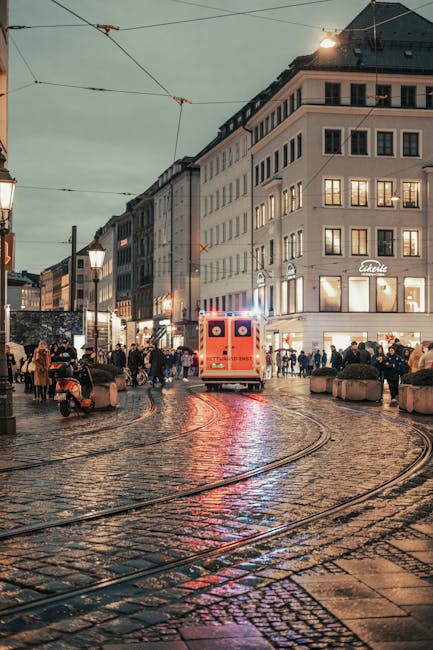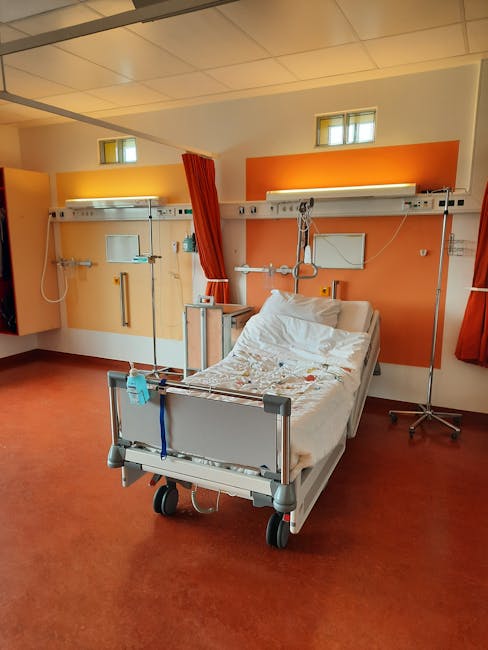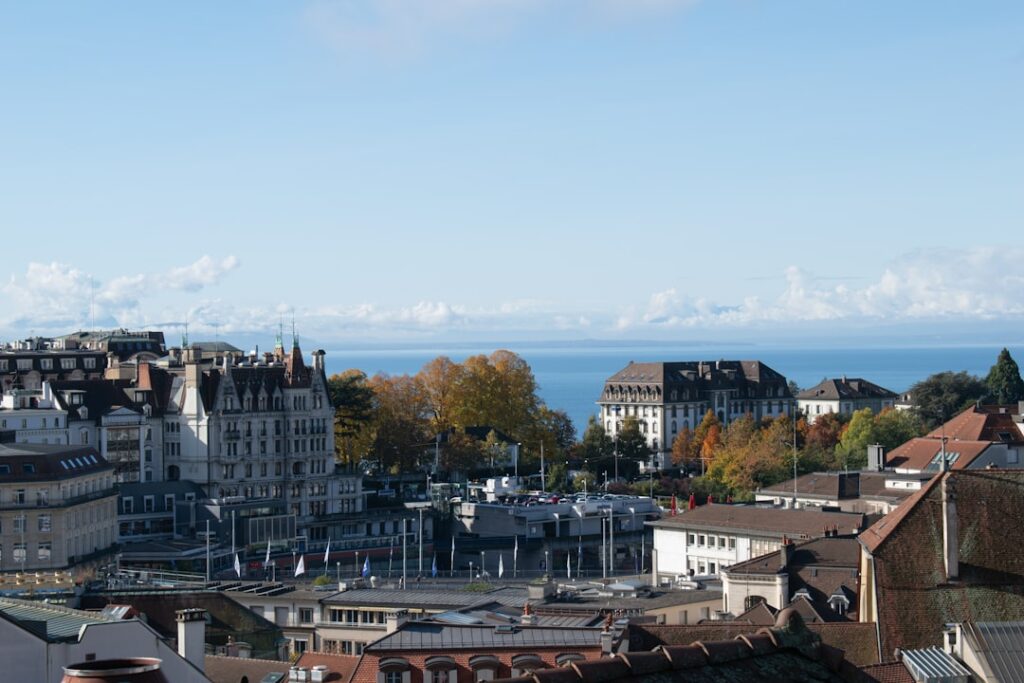






Introduction — Finding 24/7 medical emergency care in Lausanne: why it matters and how to proceed
Lausanne, the capital of the canton of Vaud, is a lively lakeside city on Lake Geneva with high-quality healthcare and a well-structured emergency system. Still, in an emergency the outcome depends as much on how quickly you can find the right service as on understanding the practical details (opening hours, costs, insurance coverage, available services). This guide is designed to give you a clear, practical overview of 24/7 options in Lausanne: public hospitals, private clinics that accept emergencies, on‑call pharmacies, night-time medical services, and essential emergency phone numbers.
First things first: remember these vital numbers — ambulance and medical rescue is 144 (Samu/ambulance), police is 117, and fire brigade is 118. These numbers are free from any phone in Switzerland. In addition, there are telephone medical advice services and on‑call doctors who can visit you or see you outside regular hours.
An important note on costs: Switzerland’s healthcare system is based on mandatory health insurance (LAMal) for residents. Visitors or people not insured in Switzerland will be billed for emergency care, usually in Swiss francs (CHF); in this guide we provide estimated conversions to euros (€) to make things easier to read. Fees vary widely depending on severity and tests (imaging, labs, hospitalization). Generally, a basic emergency consultation can cost between €80 and €250, care involving tests (X‑ray/CT) between €250 and €1,000+, and hospitalization can exceed €2,000 per day depending on treatments. Ambulance transport is billed separately (often between €200 and €800 depending on distance and care). Always check your travel insurance coverage or ask for an estimate when possible.
This guide will walk you step by step through the places and services available 24/7 in Lausanne, with addresses, opening hours, practical directions and local tips to avoid panic when it matters. It also covers useful alternatives: on‑call pharmacies, night doctors’ services, pediatric consultation centers, and information on urgent care for accidents and psychiatric emergencies. The goal: to make sure you know exactly where to go or who to call, how to get there (taxi, ambulance, night public transport), and which documents or insurance details to prepare to speed things along.
We also include practical advice: how to explain your symptoms in French or English, what to do while waiting for help, and how to handle the financial side after an emergency. Finally, this guide includes visual cues (image markers) to make the information more accessible and help you recognize places or contexts in real life.
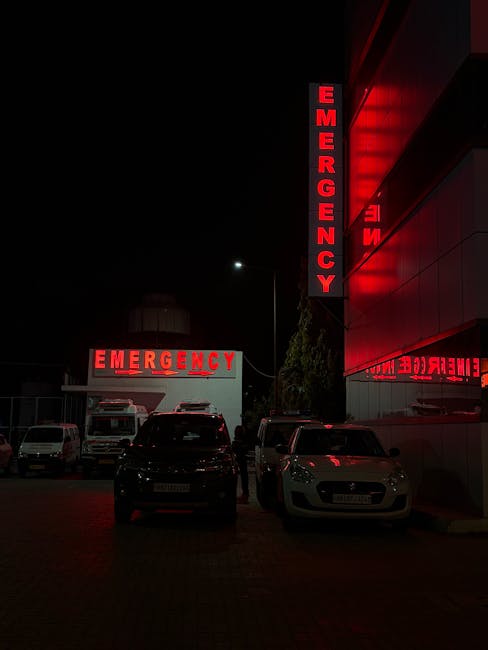

1) Emergency Department of the Centre Hospitalier Universitaire Vaudois (CHUV) — the 24/7 reference point
The Emergency Department at the Centre Hospitalier Universitaire Vaudois (CHUV) is the main emergency hub for Lausanne and the Vaud region. It’s the go‑to facility for serious medical, surgical, pediatric and psychiatric emergencies. CHUV has multidisciplinary teams available 24 hours a day, with a full technical platform (24h imaging, laboratory, operating theatres on call).
Full name: Emergency Department — Centre Hospitalier Universitaire Vaudois (CHUV)
Address: Rue du Bugnon 21, 1011 Lausanne, Switzerland
Opening hours: 24 hours a day, 7 days a week
Indicative prices (estimates in euros): simple emergency consultation €120–€300; care including imaging/tests €300–€1,200; hospitalization from around €900/day depending on services and procedures. Charges are billed in CHF; an approximate euro conversion is provided here. Patients resident in Switzerland should present their LAMal card; international visitors must show their travel insurance.
Immersive description: arriving via Rue du Bugnon you’ll spot the emergency entrance clearly marked from the main road. Triage at reception assesses patients by severity (triage system). Waiting areas are modern, but during busy periods (weekends, holidays) waits can be longer for non‑urgent cases. CHUV emergencies are known for high diagnostic quality and rapid access to imaging (night‑time CT/MRI), making it the safest choice for accidents, chest pain, suspected strokes, major trauma, and severe breathing difficulties.
Local tips: if possible, call 144 before heading to CHUV to arrange medical transport if your condition requires it; for non-life‑threatening cases it can sometimes be faster to take a taxi (say “Urgences CHUV Rue du Bugnon”) or use public transport (Metro M1 to Lausanne‑Gare then buses/taxis depending on final stop). Keep your insurance card and ID handy. If you’re a tourist, always request an estimate or the billing statement at the end of your care.
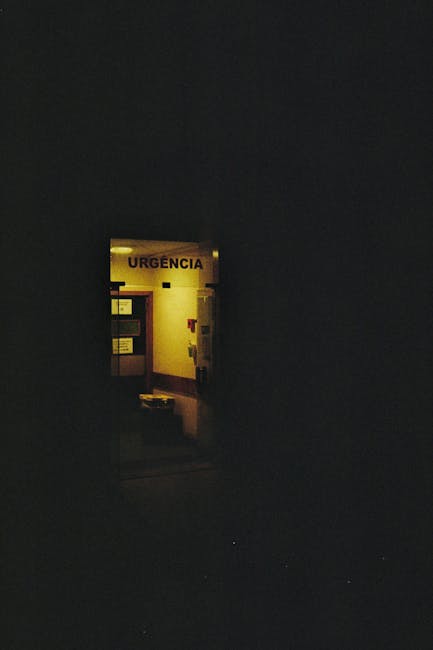
2) Pediatric emergencies, complementary services and private clinics that accept emergencies
For children, CHUV’s pediatric emergency department remains the primary reference in the Lausanne area. It’s equipped to handle all pediatric ages with specialized teams and appropriate equipment (pediatric monitoring, emergency pediatric care). The address and hours are the same as CHUV (Rue du Bugnon 21, 1011 Lausanne, 24/7). Parents should bring: the child’s health record, insurance card, and a list of allergies or current medications.
Within the city, several private clinics offer urgent consultations or on‑call services useful for minor emergencies (wounds, sprains, non‑severe fever). These include ambulatory surgery centers or on‑call general medicine centers, sometimes open at night.
Examples of private services (indicative): some specialized clinics accept referred emergencies (orthopedics, gynecology) — they often require immediate payment or proof of insurance. Approximate fees: emergency consultation in a private clinic €150–€400; outpatient procedures vary by intervention. When in doubt, head first to CHUV or call the canton of Vaud’s medical guidance number to find the nearest on‑call clinic.
Practical advice: for a wound needing stitches, look for a clinic that performs ambulatory suturing; for suspected fractures, ask for a clinic or center with 24h imaging. If your child has a high fever, breathing difficulty, seizures, loss of consciousness or major trauma, go straight to CHUV or call 144.
3) On‑call pharmacies, night doctors and 24/7 alternatives
On‑call pharmacies and night doctor services are essential for non‑life‑threatening situations that need immediate medication, advice, or supplies (dressings, painkillers, fever medicines). Lausanne has on‑call pharmacies operating in rotation; they are an excellent first stop for issues like a nighttime fever, ear infection, a cut that needs disinfecting, or urgent prescriptions.
On‑call pharmacies: it’s recommended to check the City of Lausanne’s official website or call the cantonal information number to find the active on‑call pharmacy (this changes daily). Pharmacies charge medicines at public prices, and for consultations or special preparations (compounded medicines) extra fees may apply (estimated €5–€40 depending on the service).
Night doctors and medical houses: the canton offers on‑call doctor services who can come to your home or see you by appointment late in the evening. Night consultation fees for a doctor typically vary (often €120–€300) and add to the cost of any tests. Using on‑call doctors is particularly useful for people with reduced mobility, pregnant women in early labor, or patients needing a diagnosis without a life‑threatening condition.
Local tips: before setting out at night, call the on‑call pharmacy to confirm the medicine is available; if the journey is long and the patient’s condition is unstable, prefer calling 144. Always carry a small travel first‑aid kit (pain relief, antiseptic, plasters, thermometer) and keep a digital copy of your medical documents to speed up care in an emergency.
Conclusion — Preparing for and responding effectively to 24/7 emergencies in Lausanne
Lausanne provides solid, well‑organized emergency coverage, led by the Centre Hospitalier Universitaire Vaudois (CHUV), which remains the most comprehensive option for serious and complex emergencies. Complementing this, private clinics and on‑call doctor services offer useful responses for non‑life‑threatening cases, while on‑call pharmacies provide immediate medications and advice. Knowing the addresses, opening hours and estimated costs, as well as the emergency numbers (144 for ambulance/medical rescue), lets you act quickly and smartly.
To be ready if needed: always carry an ID, your insurance or travel insurance card, a list of medications and allergies, and an emergency contact number. As a tourist, check your travel insurance coverage before traveling; if you end up in an emergency department unexpectedly, ask for an estimate and keep all invoices for potential reimbursement. If you’re a resident, showing your LAMal card simplifies billing and reduces paperwork.
Finally, tailor your response to the severity: call 144 for any life‑threatening situation (severe chest pain, breathing difficulties, loss of consciousness, major bleeding), go to CHUV for major trauma and suspected neurological emergencies, and use on‑call doctors or on‑call pharmacies for less severe problems. Following these pointers will increase your chances of getting fast, effective, and appropriate care in Lausanne.